What to Consider When Installing LED Lighting for Pickleball and Padel Courts
Proper lighting is one of the most critical factors in the performance, safety, and long-term success of pickleball and padel courts. Whether you are building new courts or upgrading outdated metal halide systems, LED lighting delivers the control, efficiency, and visual clarity these fast-paced sports demand. After more than 15 years working with commercial and sports lighting projects, we have seen firsthand how correct fixture selection and placement directly affect player satisfaction and facility reputation.
This guide explains what matters most when specifying LED lights for pickleball and padel courts, including fixture types, mounting locations, glare control strategies, and recommended foot-candle levels. The goal is simple: help you design a lighting system that performs correctly on day one and continues delivering value for years.
Understanding the Lighting Needs of Pickleball and Padel Courts
Pickleball and padel both rely on quick reactions, accurate ball tracking, and consistent visibility across the entire playing surface. Unlike general area lighting, sports lighting must control glare, minimize shadows, and maintain uniform light levels from baseline to net. Poor lighting design leads to player fatigue, missed shots, and complaints that can impact court utilization.
LED technology is uniquely suited to these requirements. Modern LED sports fixtures use precision optics to direct light exactly where it is needed while reducing wasted spill light. They also maintain stable output over their lifespan, avoiding the dramatic lumen loss common with metal halide systems.
Choosing the Right Type of LED Lights
LED Lighting for Pickleball Courts
Pickleball courts can be installed indoors or outdoors, and each environment requires a different lighting approach.
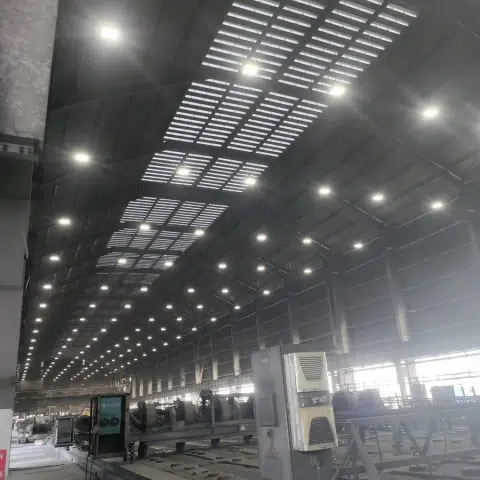
- Indoor pickleball courts typically use ceiling-mounted LED high bay lights installed at heights between 20 and 28 feet. These fixtures are designed for sports environments and include impact-resistant housings to withstand ball strikes. Facilities focused on glare control may choose indirect lighting systems that reflect light off a white or highly reflective ceiling, significantly reducing glare while maintaining uniform illumination.
- Outdoor pickleball courts rely on pole-mounted LED shoebox fixtures positioned around the perimeter of the court. Shoebox-style fixtures equipped with Type III optics are the most common choice because they provide strong forward throw while limiting light spill behind the playing area. Adjustable LED floodlights can also be used when pole locations or site constraints require different solutions.
For optimal ball tracking and visual clarity, we typically recommend a 5000K color temperature. Facilities seeking a slightly warmer appearance may select 4000K, and color-selectable fixtures allow adjustments after installation.
LED Lighting for Padel Courts
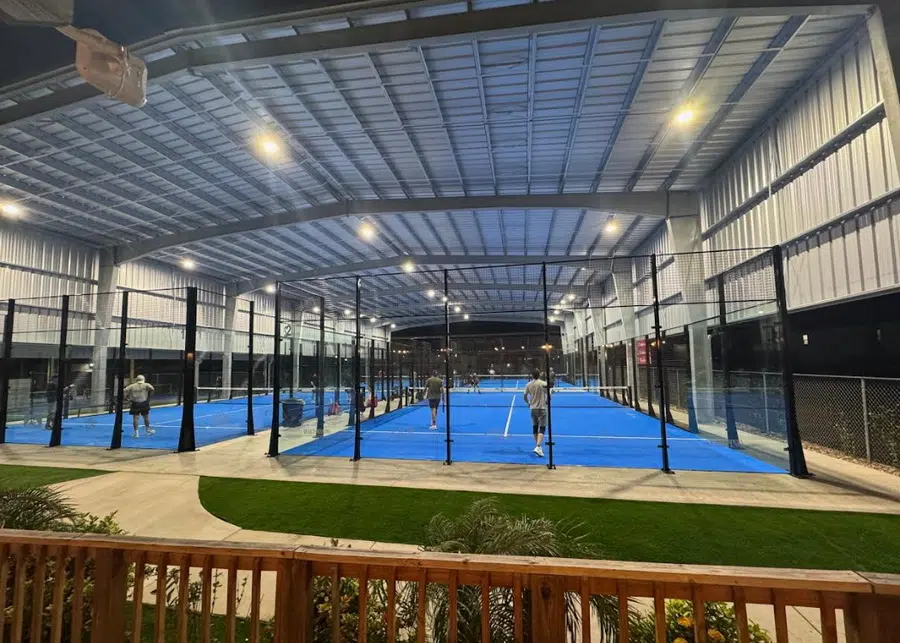
Padel courts share many lighting characteristics with tennis and pickleball, but introduce additional considerations due to court walls and enclosed playing areas.
- Indoor padel courts use high bay or low bay LED fixtures similar to those found in gymnasiums and recreational centers. These fixtures are mounted to the ceiling structure and designed to deliver even illumination across the entire court without creating harsh shadows along the walls.
- Outdoor padel courts require pole-mounted LED floodlights or shoebox fixtures positioned to avoid direct glare through the glass walls. Proper aiming angles and beam control are essential to prevent reflections that interfere with player visibility. Dark sky compliant options are available for facilities in regulated areas.
As with pickleball, 5000K color temperature is preferred for padel due to its crisp, daylight-like appearance that improves contrast and reaction time.
Where LED Fixtures Should Be Installed
Mounting location and height are just as important as fixture selection. Improper placement creates glare, uneven lighting, and safety concerns.
- Outdoor courts: Light poles should be installed outside the required court safety zones and setbacks. Mounting heights below 20 feet should be avoided, as low-mounted fixtures create severe glare and long shadows across the court surface. Standard installations typically range from 20 to 25 feet, while tournament-level courts may use poles up to 35 feet.
- Indoor courts: Ceiling-mounted fixtures should be installed high enough to provide wide light distribution without placing bright light sources directly in the players’ field of view. Indirect systems are especially effective in facilities with sufficient ceiling height and reflective surfaces.
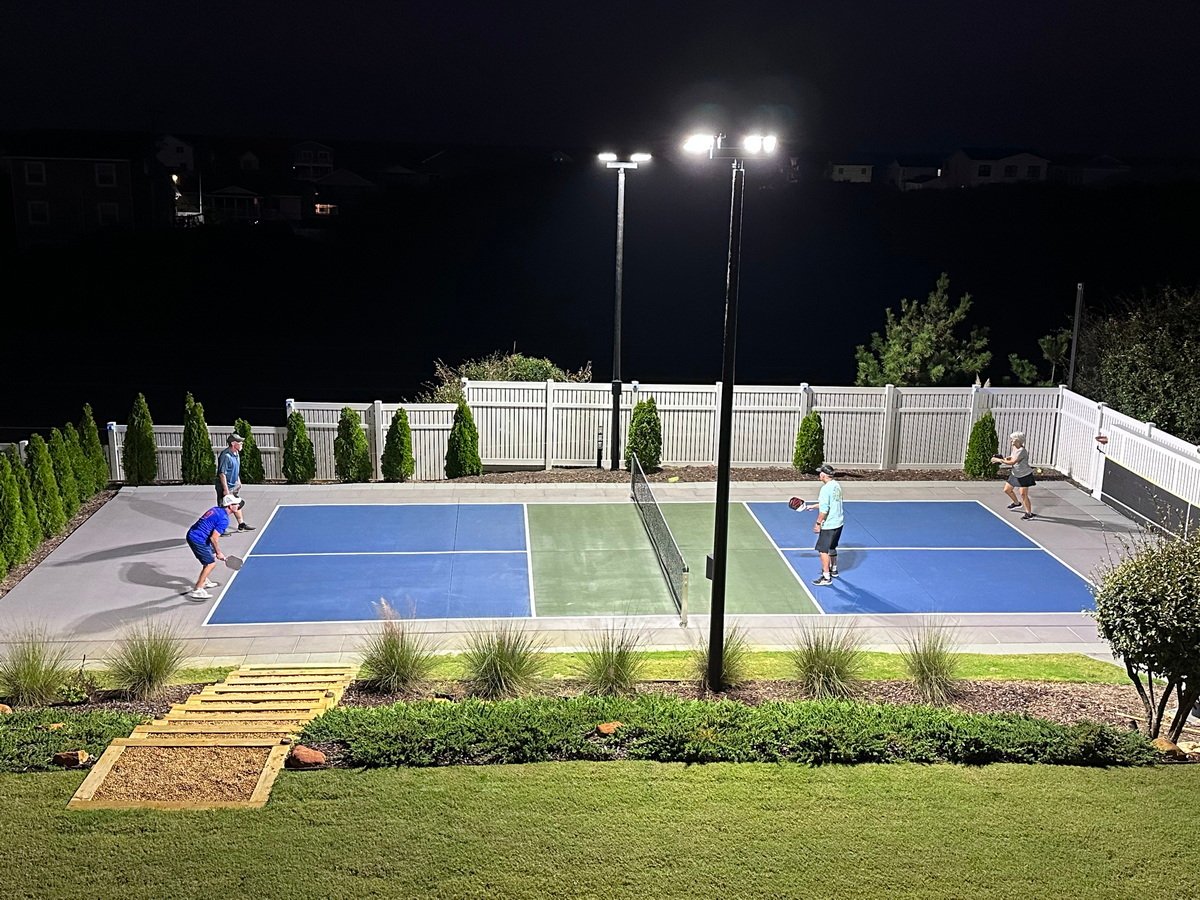
Case Study: Lighting up a new Outdoor Pickleball Court with LED Lighting Supply 300 Watt LED Shoebox Area Light in North Carolina
|
After: 300 Watt LED Shoebox Light | 24000 Lumens |
 |
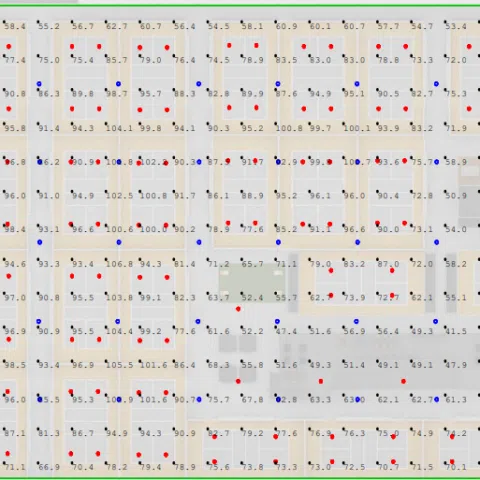
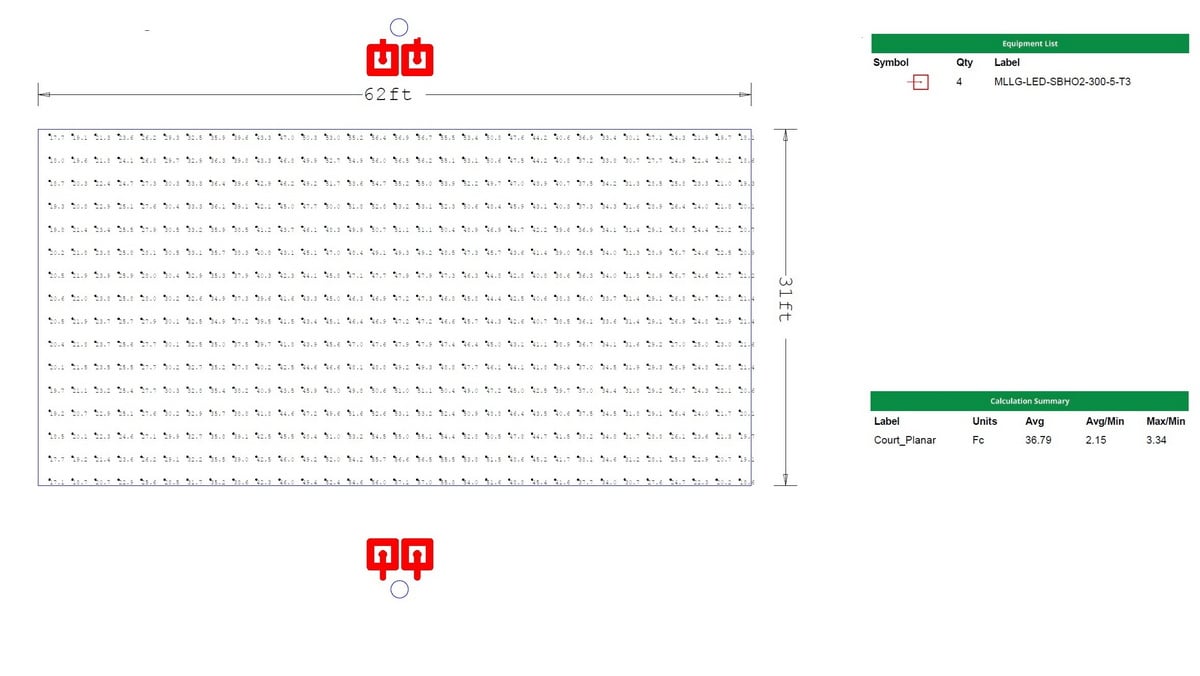
Lighting Plan We Created for the Customer
|
Lighting Plan |
Heat Map |
 |
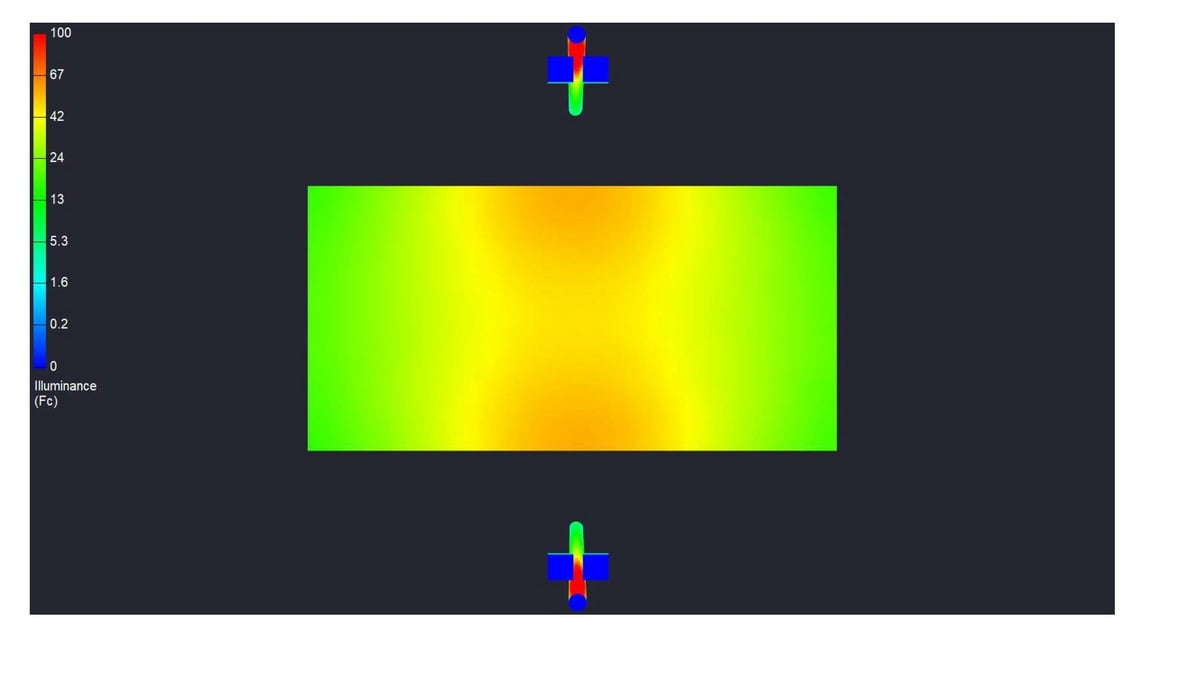 |
Outdoor Pickleball Court Lighting Installation Plan Metrics
- Mounting height: 22 ft
- Fixture Used: MLLG-LED-SBHO2-300-50: 300 Watt LED Shoebox Area Light | 48000 Lumens | 5000K | 100V-277V
- FC achieved: 36.79 fc average
- Uniformity (Avg/Min): 2.15
How to Avoid Glare on Pickleball and Padel Courts
Glare is one of the most common complaints in poorly designed sports lighting systems. It occurs when light sources are visible to players at high angles or when reflections interfere with ball tracking. Effective glare control starts with proper mounting height. Fixtures mounted too low force players to look directly into the light during lobs or overhead shots. Optics selection also plays a major role. Type III distributions for outdoor rectangular courts help keep light focused on the playing area rather than into players’ eyes or neighboring properties.
For indoor facilities, indirect lighting systems and wide-beam optics reduce harsh contrasts and eliminate hotspots. Frosted lenses also help a lot. Careful aiming and professional photometric planning ensure that illumination is even across the court while keeping brightness out of critical sightlines.
Recommended Foot-Candle Levels
Light levels should be matched to how the courts will be used. Under-lighting saves little money long term and creates unsafe playing conditions.
Pickleball Court Foot-Candle Guidelines
- Recreation: 20 to 30 fc
- Club level: 30 to 60 fc
- Competition: 50 to 80 fc
- Broadcast: 80 to 120 fc
Padel Court Foot-Candle Guidelines
- Recreation: 20 to 30 fc
- Club level: 30 to 50 fc
- Competition: 50 to 75 fc
These values align with Illuminating Engineering Society recommendations and should always be verified with a photometric lighting plan to confirm uniformity across the playing surface.
Why LED Lighting Is the Preferred Choice
When properly specified, LED lighting delivers significant advantages over metal halide systems.
- Energy consumption is reduced by 50 to 75 percent, depending on the existing system.
- LED fixtures maintain consistent output, avoiding the early brightness loss common with HID lighting.
- Maintenance costs are dramatically lower, with no bulbs or ballasts to replace.
- Instant-on operation eliminates warm-up delays and wasted energy.
- High-quality optics improve visibility, reduce eye strain, and enhance player experience.
Common Mistakes to Avoid
- Using general area or warehouse fixtures instead of impact-rated sports lighting.
- Mounting fixtures too low, causing glare and uneven illumination.
- Skipping photometric calculations / lighting plans and relying on guesswork.
- Ignoring local dark sky requirements and light spill controls.
- Setting light levels below recommended standards to reduce upfront cost.
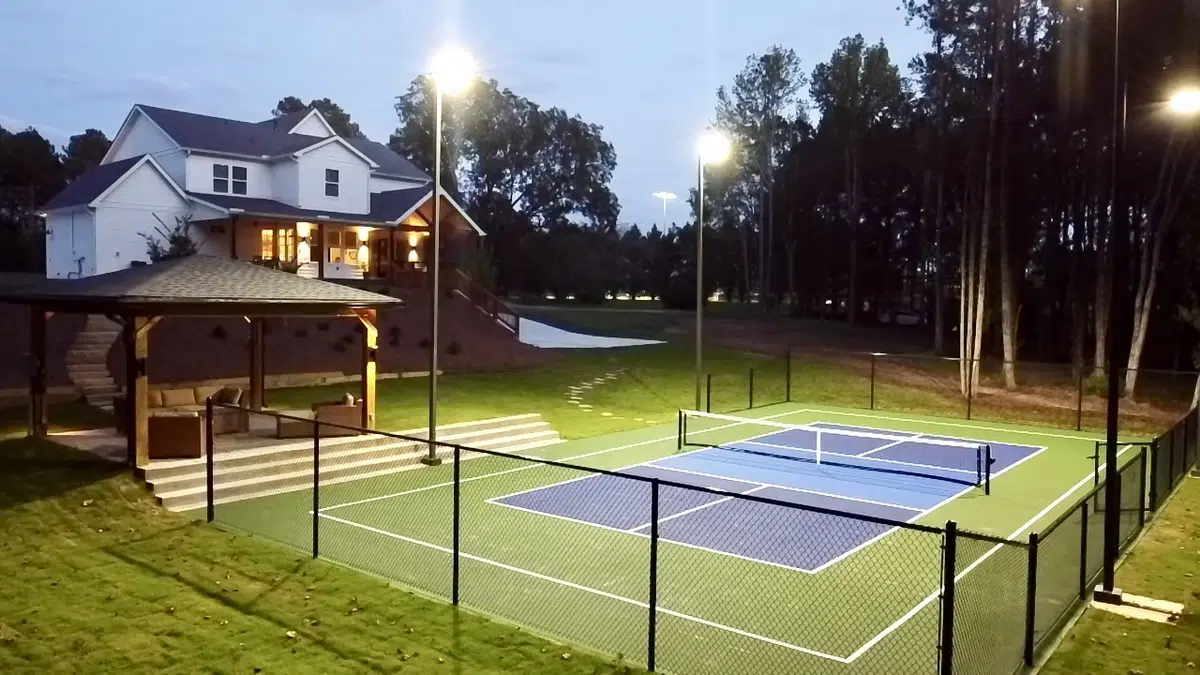
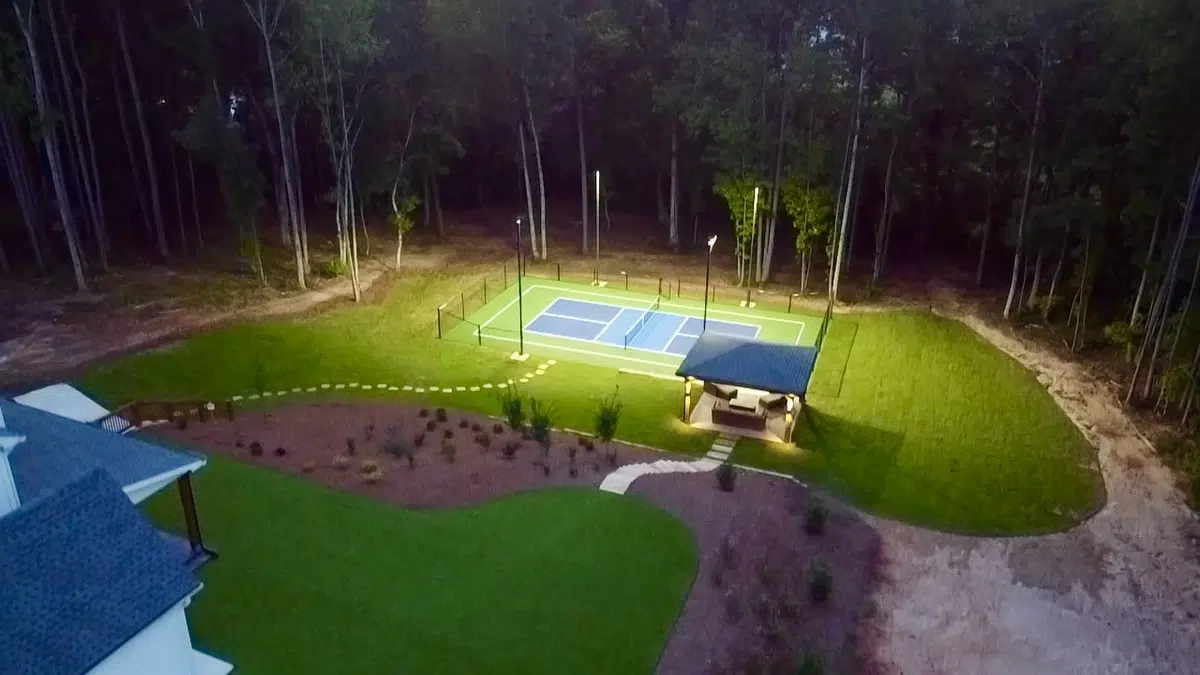
Case Study: Lighting up a new Outdoor Pickleball Court with LED Lighting Supply 150 Watt LED Shoebox Lights in Cumming, GA
|
After: 150 Watt LED Shoebox Light | 24000 Lumens |
After: 150 Watt LED Shoebox Light | 24000 Lumens |
 |
 |
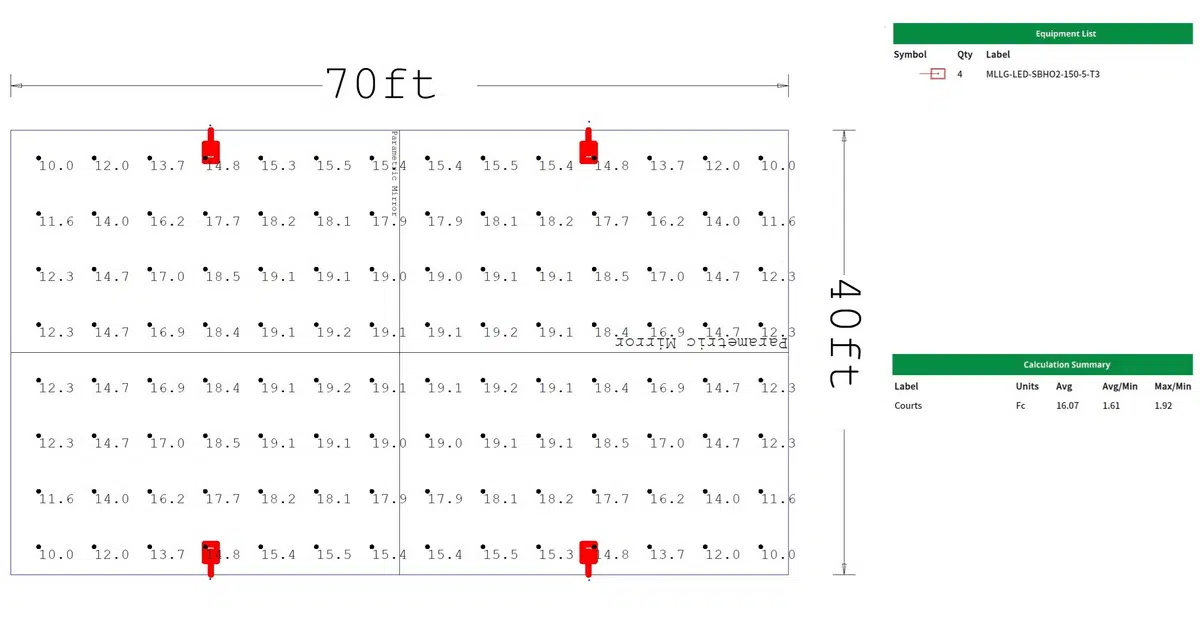
Lighting Plan We Created for the Customer
|
Lighting Plan |
Heat Map |
 |
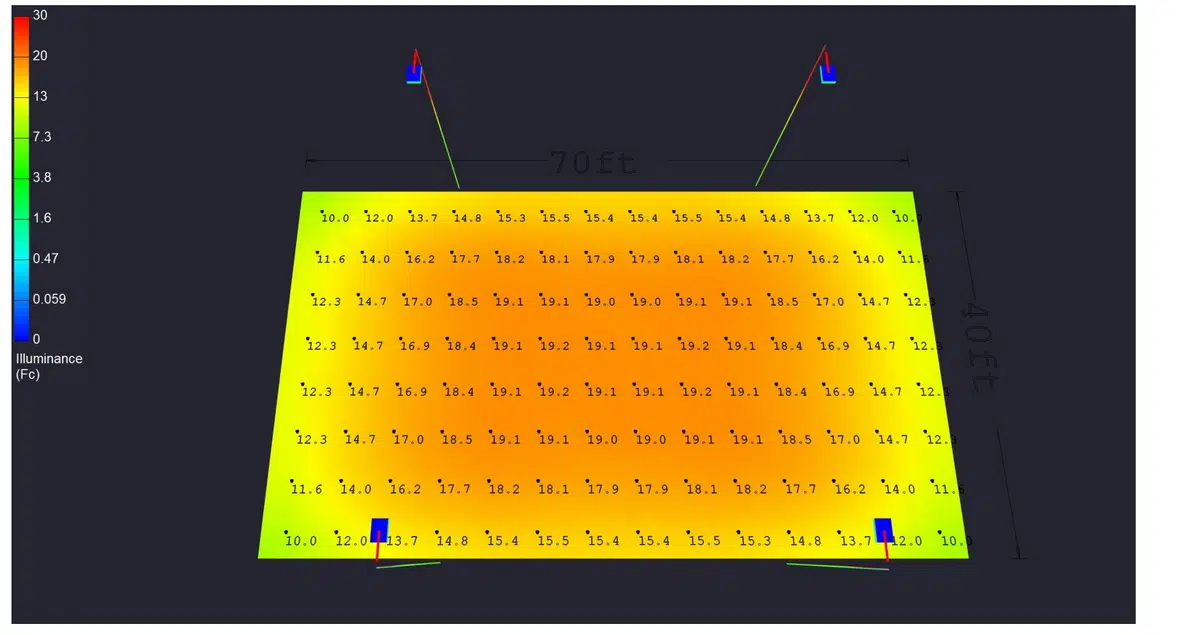 |
Outdoor Pickleball Court Lighting Installation Plan Metrics
- Mounting height: 25 ft
- Fixture Used: MLLG-LED-SBHO2-150-50: 150 Watt LED Shoebox Area Light | 24000 Lumens | 5000K | 100V-277V
- FC achieved: 16.07 fc average
- Uniformity (Avg/Min): 1.61
Safety and Performance Certifications
All of our sports lighting fixtures are certified to meet strict safety and performance standards. DLC Premium certification ensures maximum energy efficiency and eligibility for utility rebates. UL and ETL listings verify electrical safety and reliability for commercial installations. Fixtures are also available with IP66 ratings for outdoor durability and IK08 impact resistance to handle ball strikes.
Warranty and Long-Term Support
Every lighting system we supply is backed by a minimum 5-year warranty, with warranty support handled by us in the USA. Our team understands that reliable lighting is essential to daily operations, and we work quickly to resolve any issues should they arise.
Professional Lighting Design and Energy Analysis
Our lighting specialists design custom solutions for pickleball and padel courts nationwide. We evaluate court dimensions, mounting constraints, usage patterns, and local utility rates to produce lighting plans that meet performance goals while maximizing return on investment. From single courts to multi-court complexes, our experience ensures your lighting system performs as intended from the first serve to the final match. Planning LED lighting correctly from the start eliminates costly corrections later and delivers a better experience for players, spectators, and facility operators alike.