Where LED Canopy Lights Actually Work Best and Where They Don’t
After working on canopy lighting projects for more than 15 years, I can tell you this upfront. LED canopy lights are one of the most useful fixtures in commercial lighting, but only when they are used in the right applications. I have seen installs come out exactly how they should: clean, bright, and uniform. I have also seen projects where the wrong fixture choice created shadows, poor visibility, and expensive rework. Most of the time, the difference comes down to understanding how these fixtures perform at lower mounting heights and how they distribute light across open areas.
Gas Stations
Gas stations are one of the most demanding environments we deal with. The lights run continuously, they are exposed to weather year-round, and visibility is critical for both safety and security. This is not the place to cut corners. We recommend IP65 rated fixtures or higher as a baseline. Anything labeled for damp locations tends to fail over time once moisture gets inside. That usually shows up as early driver failure, and it is avoidable.
Recessed mounting is common for a clean look, but the priority should always be performance. You want wide, even light across the entire fueling area with no dark spots around pumps. Poor distribution is where most problems show up. 5000K is typically the best choice here. It improves visibility and works better with security cameras, which becomes important once the system is installed and in use.
Parking Garages
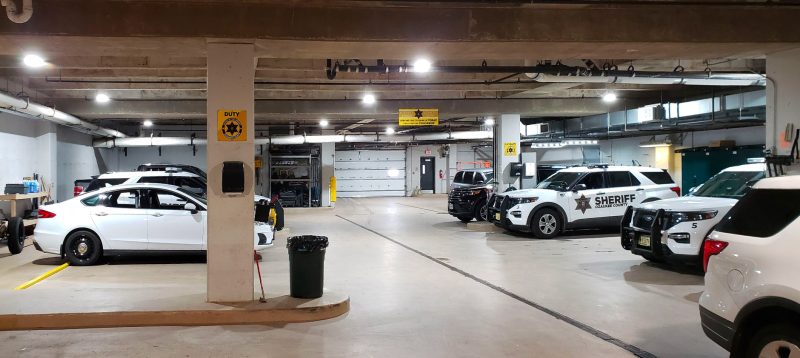
Parking garages have a different set of challenges. Low ceilings, large open areas, and the need for consistent light levels across everything. The biggest issue I see is uneven lighting. Bright spots under fixtures and darker areas in between. That is usually not a fixture problem; it comes down to spacing and optics.
We worked on a multi-level garage where the original layout used the wrong distribution pattern. After switching to wide optics and adjusting spacing, we improved uniformity and reduced the overall fixture count. That is the kind of result you want. Better light with lower operating cost. Motion sensors also make sense in garages, especially in low-traffic areas. They can reduce energy consumption significantly without impacting safety.
Garage and Workshop Lighting
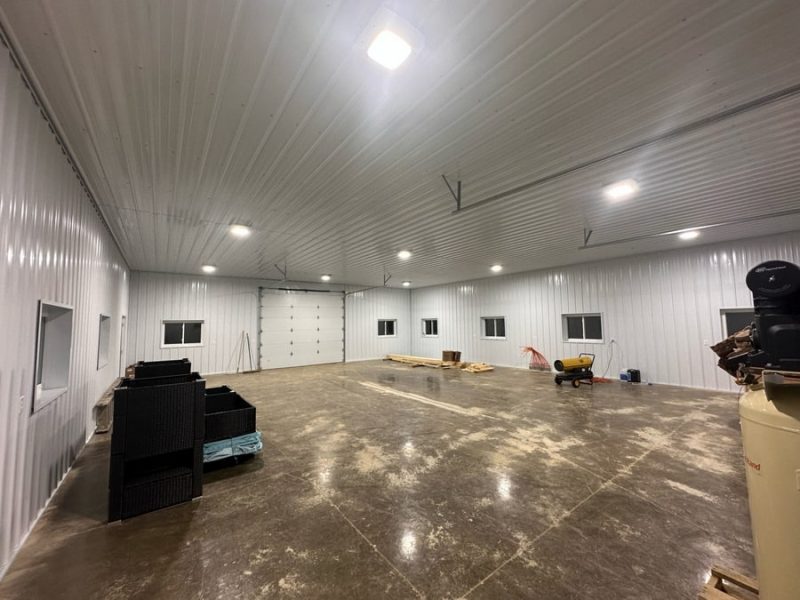
Workshops and service garages are more about usability than coverage. If people cannot see clearly, productivity drops and mistakes happen. Older systems like metal halide create issues with slow warm-up and inconsistent color. LED canopy lights solve that immediately.
Instant-on performance makes a difference, especially after power interruptions. 5000K provides better visibility and more accurate color rendering, which matters more than most people expect in automotive work. We usually recommend wide beam angles to reduce shadows over work areas. Surface-mount fixtures are often the easiest solution, especially in retrofit projects. Motion sensors are also a practical way to reduce energy use during off-hours.
Outdoor Covered Areas
Covered outdoor spaces still deal with moisture, temperature swings, and environmental exposure. Loading docks, drive-thrus, and entry canopies all fall into this category. This is where durability matters just as much as light output. Look for fixtures with proper IP ratings, sealed housings, and solid construction.
If the fixture cannot handle the environment, it will not matter how good it looks on day one. I usually tell customers to think about maintenance. If replacing fixtures is difficult or disruptive, investing in a more durable fixture upfront makes a lot more sense.
Covered Walkways
Walkways are often overlooked, but they are one of the most important areas to get right. Poor lighting here creates real safety and liability concerns. The goal is not high brightness. It is consistent, even light, with no harsh shadows. Low-profile canopy fixtures work well because they provide wide coverage without getting in the way visually. You want smooth light transitions so people are not moving through alternating bright and dark areas.
Low Bay Applications
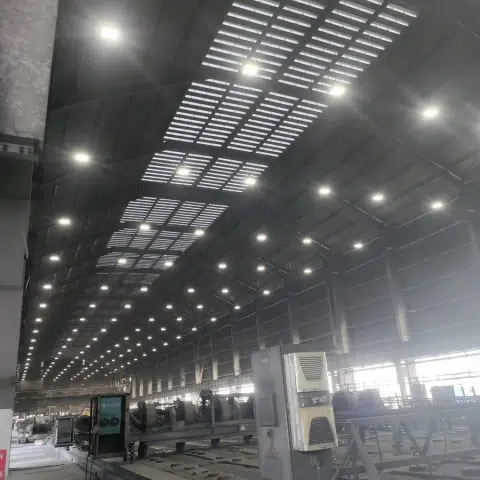
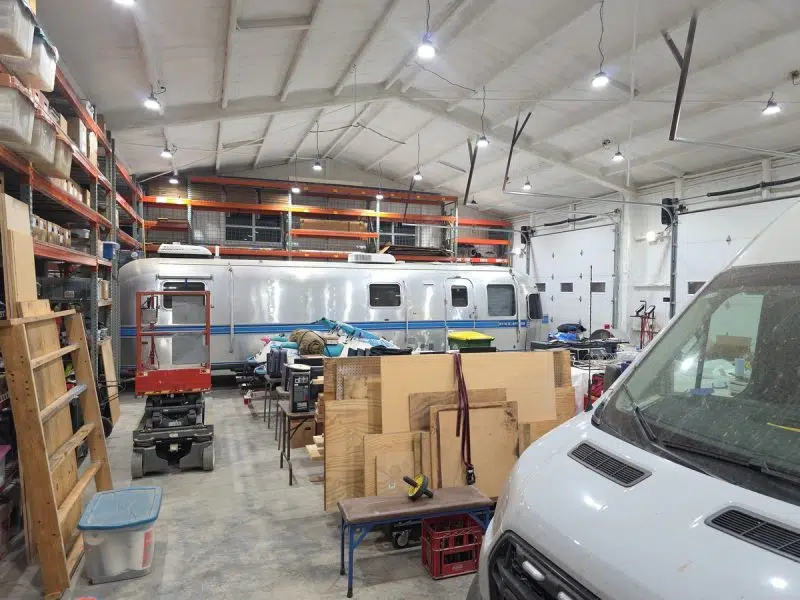
Low bay spaces are where canopy lights are being used more often as an alternative to high bays. If your mounting height is between 12 and 20 feet, they can be a very effective solution. A common upgrade is replacing 400 watt metal halide fixtures with 100 to 150 watt LED canopy lights. The energy savings are significant, but just as important is the improvement in light quality and uniformity. This is where a lighting plan makes a real difference. Guessing on spacing or output is one of the most common mistakes and usually leads to poor results.
Where LED Canopy Lights Are Not the Right Choice
As versatile as canopy lights are, there are situations where they are not the right fixture. If your ceiling height is above 20 feet, high bay lighting is usually the better option. Canopy lights are designed for lower mounting heights and wide distribution. At higher elevations, light levels drop off and coverage becomes inconsistent. If the application requires narrow beam control or focused lighting, canopy fixtures are not a good fit. They are designed to spread light, not concentrate it.
Hazardous locations are another area where canopy lights should not be used. These applications require explosion proof or hazardous location rated fixtures that are specifically designed and certified for those environments. Standard canopy lights are not built for that purpose.
Outdoor applications that are fully exposed to weather also require attention. If the fixture is not at least IP65 rated, it will not hold up long term in those conditions.
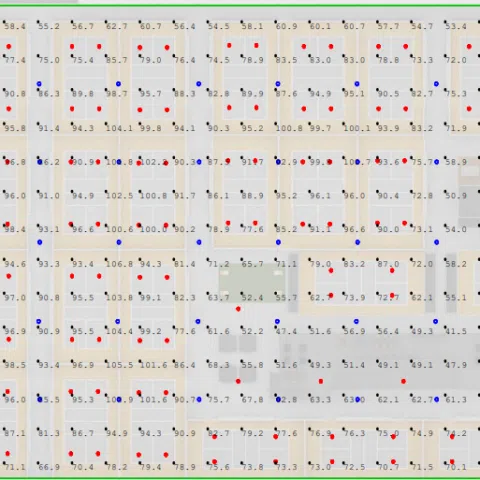
And if you need to meet specific light levels for code or safety requirements, this is not something to guess on. A photometric plan should be used to confirm spacing, output, and overall performance before installation.
Safety and Performance Certifications
All LED canopy lights we supply are built to meet strict safety and performance standards required for commercial applications. Fixtures are available with UL Listed and ETL Listed certifications, ensuring compliance with North American electrical safety requirements.
Many models are also DLC Listed or DLC Premium, which verifies energy efficiency performance and helps qualify projects for utility rebate programs. These certifications are important not just for compliance, but for long-term reliability in demanding environments like parking garages, gas stations, and outdoor installations.
Common Mistakes and How to Avoid Them
Canopy lighting projects run into the same problems over and over, and most of them are preventable. Here are the issues I see most often in the field and what actually works to avoid them.
- Using fixtures rated for damp locations instead of wet locations in exposed areas leads to early failure; always check for IP65 or higher.
- Guessing on fixture spacing instead of running a photometric plan causes dark spots and uneven coverage; use a layout tool or get a plan done before install.
- Choosing the wrong optic or beam angle for the mounting height results in glare or wasted light; match optics to ceiling height and area size.
- Skipping motion sensors in low-traffic garages or covered lots wastes energy; add sensors where occupancy is unpredictable.
- Overlooking fixture mounting details leads to water ingress or loose installs; use proper gaskets and hardware for the mounting surface.
- Not verifying voltage compatibility with site power can damage drivers; double-check voltage before ordering and wiring.
- Ignoring color temperature requirements for security cameras or visual tasks reduces effectiveness; confirm 5000K if visibility is critical.
- Failing to account for maintenance access makes future service a headache; plan fixture placement so drivers and lenses can be reached safely.