High Temperature LED Fixtures Engineering: The Science of Managing Heat in LED Lights
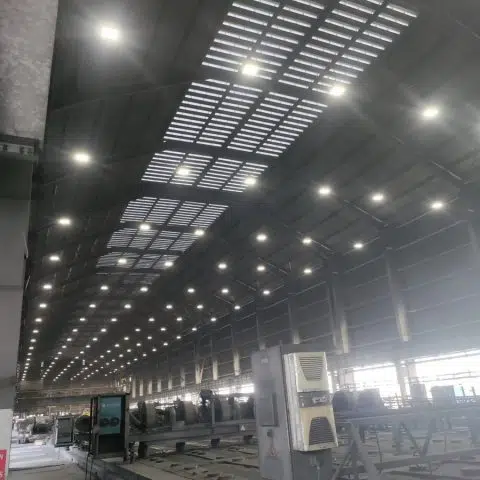
Electronic components can be adversely affected by excessive heat, and LED fixtures must be selected for the actual ambient temperature at their installed location. Standard commercial LED fixtures commonly have maximum ambient-temperature ratings that may not be suitable for high-heat industrial areas. Manufacturing facilities, foundries, and steel mills can experience elevated temperatures, and ceiling-mounted fixtures may be exposed to hotter air than temperatures measured at floor level.
Standard LED fixtures can be suitable for many commercial spaces, such as offices, schools, and retail environments, when their published ambient-temperature rating matches the application. However, industrial applications with elevated ambient temperatures may require specialized high-temperature LED lights engineered and rated for the expected operating conditions. The fixture’s published maximum ambient rating, mounting location, ventilation, voltage, and application requirements should all be reviewed before selection.

How LED Components React to Extreme Heat
LED luminaires typically contain LED packages, a circuit board assembly, an LED driver that converts incoming power to the electrical output required by the LEDs, and thermal-management features integrated into the housing. Excessive temperature can accelerate lumen depreciation and affect the operating life of LEDs, drivers, capacitors, seals, wiring, and other components. Actual performance depends on the fixture design, component ratings, operating current, ventilation, and ambient temperature.
High-temperature LED fixtures are designed with thermal management appropriate to their published operating-temperature range. The housing and heat-sink design help transfer heat away from sensitive components, but passive cooling depends on the surrounding air temperature and available airflow. A fixture should not be used above its manufacturer-specified maximum ambient temperature, even if it includes an enlarged heat sink or other thermal-management features.
Engineering Strategies for High-Temperature Performance
Manufacturers may use several design approaches to produce fixtures rated for elevated ambient temperatures. The appropriate solution depends on the required light level, operating environment, fixture location, and the manufacturer’s tested and published temperature rating.
Enhanced Heat Sink Design
A larger or more effective heat sink can provide additional surface area for transferring heat away from LEDs and other components. This approach can increase fixture size and weight, so mounting methods and structural support should be appropriate for the complete fixture assembly. Some designs also use separate thermal paths or heat-sinking for the driver compartment.
Strategic Component Separation
Separating the driver from the LED array, or using thermal barriers and dedicated airflow paths, can reduce the transfer of LED-generated heat to temperature-sensitive driver components. The effectiveness of this approach depends on the complete luminaire design and the fixture’s tested ambient-temperature rating.
LED Array Derating
Some high-temperature fixtures use additional LED packages operated at lower drive current to reduce heat generated at each LED. This can improve thermal margin while maintaining the required light output, but the actual operating current, light output, efficacy, and temperature rating are design-specific and should be verified in the manufacturer’s documentation.
Driver Selection and Thermal Rating
Drivers used in high-temperature luminaires must be selected for the fixture’s electrical load and expected ambient conditions. A higher-wattage driver is not automatically more reliable or appropriate for a lower-wattage fixture; output current, voltage range, driver temperature rating, dimming compatibility, and complete luminaire design must all match. Review the fixture’s published driver and ambient-temperature specifications rather than relying on a generic driver-overcapacity rule.
Cost Considerations for High-Temperature Fixtures
High-temperature LED fixtures may cost more than standard-temperature models because of specialized components, thermal management, higher-temperature-rated drivers, and housing designs. The price difference varies by wattage, temperature rating, optics, controls, certifications, and manufacturer. In demanding environments, properly specified fixtures can reduce unplanned replacements and maintenance interruptions compared with installing fixtures that are not rated for the installed ambient conditions. Evaluate total cost of ownership using the specific fixture’s specifications, warranty terms, maintenance access requirements, and expected operating environment.
Cold Weather Performance Considerations
A high-temperature rating does not automatically establish superior cold-weather performance. LEDs themselves can operate effectively at low temperatures, but drivers, batteries, seals, controls, wiring, and other fixture components may have minimum operating-temperature limits. For cold storage, outdoor, or subzero applications, select a fixture with a published minimum ambient-temperature rating suitable for the installation. Facilities with both hot and cold areas may use different fixture types or models based on the documented conditions in each location.
Safety, Performance, and Environmental Ratings
Safety listings, efficiency qualifications, controls, ingress-protection ratings, impact ratings, and warranty terms vary by fixture model. Verify the exact product specification before purchase or installation.
UL Listed and ETL Listed are examples of product safety certifications provided through Nationally Recognized Testing Laboratories (NRTLs), where applicable. DLC qualification is an energy-efficiency and performance program; it is not an electrical-safety certification. DLC qualification may support eligibility for certain utility incentive programs, but rebate availability, qualifying product lists, application deadlines, installation requirements, and incentive amounts are determined by the applicable utility or program administrator. Tax-incentive eligibility likewise depends on the applicable law and project circumstances.
Environmental ratings should also be evaluated by application. For example, an IP65 rating indicates a dust-tight enclosure protected against water jets, but it does not by itself establish chemical resistance, corrosion resistance, sanitation suitability, or hazardous-location approval. Confirm the fixture’s materials, seals, coatings, certification markings, ambient-temperature rating, and manufacturer documentation for the actual harsh environment.
Warranty and Warranty Support
Warranty length and terms vary by product. Many high-temperature LED fixtures are available with a 5-year warranty, subject to the applicable product warranty and installation requirements. LED Lighting Supply provides USA-based customer support and can assist with product documentation and warranty claims for eligible products. Review the warranty for the selected fixture, including any ambient-temperature, installation, maintenance, and operating-condition requirements.