Why LED Conversion Makes More Financial Sense in 2026 Than It Did in 2010
LED Lighting Supply has completed over 25,000 commercial lighting projects since 2010, helping facility managers evaluate potential energy and maintenance savings through LED conversions. This comprehensive analysis examines current market conditions, example energy-cost calculations, and the financial case for LED retrofits in warehouses and parking lots.
Important: Commercial lighting retrofits involve electrical work that requires licensed professionals. This article provides general information for planning purposes only. Always consult qualified electricians and lighting specialists for installation requirements specific to your facility.
We’ve been working with commercial lighting projects since LED technology first started making sense for warehouses and parking lots. Back in 2010, recommending LED was often considered forward-thinking.
Today, the financial case can be substantially stronger for many facilities. LED luminaires have become more efficient, product options have expanded, and electricity rates have increased in many markets. Together, those factors can widen the operating-cost difference between older metal halide or high-pressure sodium systems and properly selected LED replacements.
The U.S. Department of Energy documents continuing improvements in LED lighting efficacy. Many current commercial LED luminaires deliver well over 150 lumens per watt, while actual metal halide system efficacy varies by lamp, ballast, optical system, operating condition, and age. Fixture efficacy alone does not determine delivered light levels; luminaire optics and photometric distribution determine where the light reaches the work area or pavement.
The Efficiency Jump You Probably Didn’t Know About
When LED high bay lights first appeared in warehouses around 2010, many products offered lower efficacy and higher purchase prices than comparable products available today. Early adoption could carry costs that made some facility managers hesitant to commit.
Today, selected high-performance LED fixtures can approach or exceed 190 lumens per watt, and many commercial-grade fixtures offer efficacy in the 150+ lumens-per-watt range. Actual efficacy, wattage, lumen output, optics, voltage, controls, and environmental ratings must be verified for the exact model.
In practical terms, current LED high bay lights can often provide comparable or improved task and area illumination with substantially less energy than older HID systems. A photometric plan using the selected fixture’s IES file is the appropriate way to confirm light levels and uniformity.
The Electricity Bill Problem Nobody Talks About
While LED technology improved, commercial electricity prices increased in many markets. In 2010, the U.S. average commercial electricity price was approximately $0.10 per kWh. Current rates vary significantly by utility, tariff, demand charges, location, and time of use, so facility-specific utility data should be used for financial decisions.
Your lighting system may run 10-16 hours per day, or more. Every watt consumed is multiplied by operating hours and billed according to your utility rate. For long-operating facilities, reducing connected lighting load can produce meaningful savings.
Real Numbers: How a Warehouse Saves Money Converting From 400W Metal Halide

Let’s walk through an illustrative scenario: a warehouse with 50 fixtures using 400-watt metal halide lamps. Actual input wattage includes lamp and ballast losses, but it varies by ballast type, lamp, voltage, and operating condition. A measured or manufacturer-published input wattage of 460 watts per fixture is a reasonable example for comparison, not a universal value.
When evaluating an LED replacement, compare the complete system input wattage and the fixture-specific photometric results – not only lamp or fixture wattage. In this example, a 150-watt LED high bay is assumed to provide suitable light levels after photometric review. In some projects, metal halide to LED conversion kits may also be considered where retaining the existing fixture housing is appropriate.
Energy Consumption Comparison
- Current system: 460W × 50 fixtures = 23,000 watts
- LED system: 150W × 50 fixtures = 7,500 watts
- Connected-load reduction: 15,500 watts (approximately 67% less energy at the same operating hours)
Annual Operating Cost Analysis
Based on 12 hours/day, 365 days/year at $0.13/kWh
- Metal halide: $261.92 per fixture = $13,096 total
- LED: $85.41 per fixture = $4,270.50 total
- Annual energy-cost savings: $8,825.50
Important note: Your actual savings will vary based on your electricity rate, operating hours, measured fixture input wattage, selected LED wattage, controls strategy, and facility conditions. These calculations use illustrative assumptions for comparison purposes.
Over five years, using the same operating hours and electricity rate:
Five-Year Energy-Cost Impact
- Metal halide system energy cost: $65,481
- LED system energy cost: $21,352.50
- Five-year energy-cost savings: $44,128.50
Payback depends on fixture pricing, installation labor, electrical modifications, controls, rebates, operating hours, and utility costs. In this example, fixture-only simple payback would be roughly 10 to 14 months for a $7,500 to $10,000 fixture purchase before installation costs, incentives, or maintenance savings are considered.
These calculations represent energy costs only and don’t include installation expenses, potential electrical modifications, demand charges, controls savings, or available utility rebates. Contact our team for a detailed analysis specific to your facility.
Parking Lots: The 1000W Metal Halide Reality

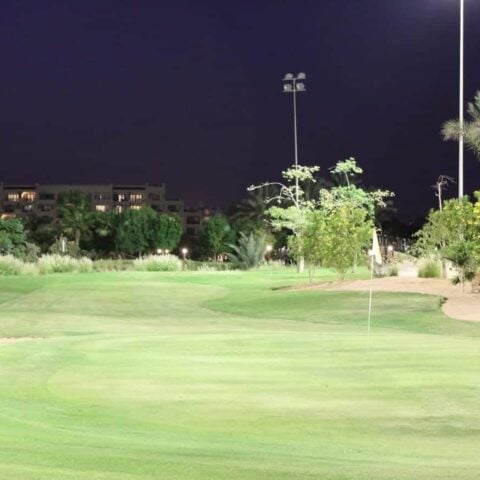
Parking lot lighting can present substantial energy-saving opportunities. Many existing sites use 1,000-watt metal halide or high-pressure sodium fixtures. Actual system input wattage varies by lamp and ballast. This example assumes 1,150 watts per fixture, including ballast losses.
For a suitable LED replacement, wattage should be selected using the site’s mounting height, pole spacing, pavement layout, obstructions, required illuminance, uniformity, glare considerations, and the selected fixture’s photometric data. A 300-watt LED parking lot light is used below only as an example. Projects that include new or replacement poles should also account for appropriate parking lot light poles, mounting, wind-load, and structural requirements.
Single Fixture Annual Cost Comparison
12 hours/day, 365 days/year at $0.13/kWh
- Metal halide system (1,150W): $654.81
- LED system (300W): $170.82
- Energy-cost savings per fixture: $483.99 annually
Scale this across 20 fixtures:
- Annual energy-cost savings: $9,679.80
- Five-year energy-cost savings: $48,399
That represents a 74% reduction in connected lighting energy at the same operating hours. Properly selected LED parking lot lights can improve useful illumination, uniformity, and control options, but results depend on the selected optics, mounting geometry, layout, and photometric design.
Metal halide and high-pressure sodium lamps experience lumen depreciation over time, and depreciation rates vary by lamp type, ballast, fixture temperature, burning position, operating cycle, and maintenance practices. LED luminaires also experience lumen depreciation; their published lifetime ratings commonly describe a projected point such as L70, meaning the luminaire is expected to retain 70% of its initial light output under stated test and operating assumptions.
One customer told us their parking lot “looks like daylight now” compared to the high-pressure sodium they replaced. Their monthly electricity bill dropped by over $800, and they reduced the frequency of lamp and ballast maintenance. Results for other facilities will vary.
The Illuminating Engineering Society (IES) provides guidance on parking lot lighting design, including recommended illuminance levels and uniformity considerations. A site-specific photometric plan can help evaluate visibility, uniformity, glare, and applicable owner, local, or project requirements.
The Maintenance Savings Everyone Underestimates
Energy savings get much of the attention because they show up on the utility bill every month. Maintenance cost reductions can also add meaningful value, especially where fixtures are mounted high or access requires lifts, traffic control, or scheduled downtime.
Metal halide lamp life and lumen maintenance vary by lamp and operating conditions. Rather than waiting for lamps to fail completely, many facilities use group relamping or scheduled maintenance because declining light output, color shift, cycling behavior, and access costs can affect operations before a lamp reaches end of life.
LED fixtures are commonly rated at 50,000 hours or more, often using projected lumen-maintenance methods such as TM-21. Some commercial LED high bay lights may list projected L70 ratings of 134,000 to 170,000 hours. Those ratings are not guarantees of unchanged output or trouble-free operation; driver life, ambient temperature, operating hours, voltage quality, installation quality, and environmental exposure also affect service life.
The Maintenance Math
Over a long operating period, maintenance costs should be evaluated for the exact lamp, ballast, fixture, access method, and operating schedule:
- Metal halide systems may require multiple lamp replacements during the projected lumen-maintenance period of an LED fixture.
- Replacement costs can include lamps, ballasts, labor, lifts, traffic control, disposal, and operational disruption.
- Ballast service life varies substantially by ballast type, temperature, voltage conditions, and operating hours.
For a 20-fixture installation, avoided maintenance can be significant, particularly when lifts or difficult access are involved. For a 50-fixture warehouse, the value may be greater still. A project-specific maintenance estimate should use your actual replacement history and labor costs rather than a universal replacement schedule.
Something that doesn’t always show up in financial calculations but matters if you’re managing a facility: every time someone uses a lift to service a fixture in a 30-foot ceiling, there is additional planning and work-at-height exposure. LED conversion can reduce the frequency of routine relamping, but maintenance work must still follow applicable safety procedures.
Why Converting Now Actually Beats Converting in 2010
If you converted to LED back in 2010, you may have made a smart investment. Facilities converting today often have several advantages that early adopters did not:
Higher Efficiency: Many current LED fixtures deliver significantly higher efficacy than early commercial LED products. The exact improvement depends on the products being compared, so review published lumens, input watts, and photometric files for the selected models.
Better Controls: Today’s LED warehouse lights and parking lot fixtures may support dimming, occupancy sensing, daylight harvesting, and scheduling. Controls can reduce energy use in appropriate applications, but savings depend on occupancy patterns, control settings, commissioning, and compatibility. Verify controls are available and compatible with the exact fixture and control system.
Proven Track Record: LED technology is now widely used in commercial applications, and manufacturers provide more established test data, warranties, and product options than were available in the early market. Verify the warranty, ambient-temperature rating, driver information, surge protection, and environmental suitability for the selected model.
Instant-On Performance: Unlike metal halide systems, LED luminaires generally reach useful full output immediately when energized. Metal halide systems commonly require a warm-up period and may require additional time to restrike after an interruption, depending on the system.
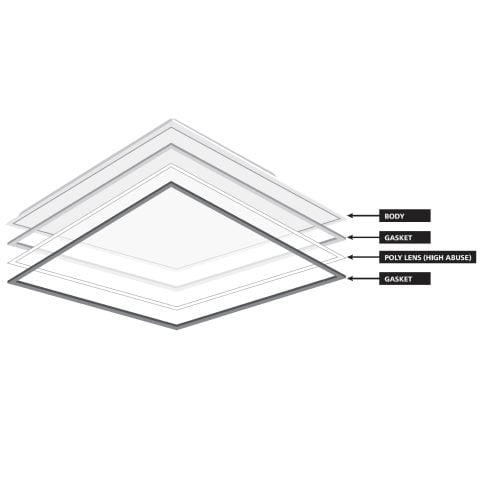
Field-Adjustable Features: Many fixtures include selectable wattage and/or CCT settings, such as this model with wattage and color temperature adjustment. These features are model-specific and should be set according to the lighting plan and project requirements. CCT describes the apparent warm or cool appearance of white light; it does not indicate brightness or color-rendering quality.
DLC qualification and electrical safety listing address different issues. DLC qualification is an efficiency and performance program that may be relevant to utility rebates, while electrical safety evaluation is typically provided by a Nationally Recognized Testing Laboratory (NRTL), such as UL or Intertek/ETL, where required. Verify the exact product’s listing, DLC status, and rebate eligibility. The DLC Qualified Products List can help identify currently qualified products.
The Electricity Rate Multiplier Effect
As electricity rates increase, the dollar value of each kilowatt-hour avoided also increases. The earlier warehouse example uses $0.13 per kWh, but your billed rate may be higher or lower and may include demand, time-of-use, fuel-adjustment, and other charges.
At $0.15 per kWh, the 50-fixture warehouse example would save approximately $10,184 annually in energy charges. At $0.18 per kWh, annual energy-charge savings would be approximately $12,220. These figures exclude demand charges and other utility-bill components.
LED conversion can reduce exposure to future electricity-price increases because the facility uses fewer kilowatt-hours for the same operating schedule. Actual utility savings depend on the applicable tariff and how the facility is billed.
The Five-Year ROI Picture
Most businesses think in terms of simple payback periods – “when do I get my money back?” A five-year comparison can be useful, but it should include fixture costs, installation, electrical modifications, controls, maintenance, rebates, financing, utility rates, and operating hours.
400W Metal Halide Replacement (50 fixtures)
- Illustrative LED fixture purchase: $7,500-10,000, excluding installation
- Five-year energy-cost savings in the example above: $44,128
- Maintenance savings: project-specific and dependent on access, labor, lamp/ballast costs, and maintenance practices
- Financial outcome: determine using actual installed cost, utility data, rebates, and maintenance records
1000W Metal Halide Replacement (20 fixtures)
- Illustrative LED fixture purchase: $6,000-8,000, excluding installation
- Five-year energy-cost savings in the example above: $48,399
- Maintenance savings: project-specific and dependent on access, labor, lamp/ballast costs, and maintenance practices
- Financial outcome: determine using actual installed cost, utility data, rebates, and maintenance records
These financial examples are estimates based on stated assumptions. Your actual return will depend on fixture costs, installation expenses, utility rates, operating hours, controls, maintenance costs, demand charges, financing, available utility rebates, and facility conditions. We recommend getting a detailed energy analysis for your facility before making an investment decision.
For facilities with long operating hours, costly maintenance access, and high utility rates, LED conversion can compare favorably with other capital improvements – but the project should be evaluated on its own numbers.
Long-Term Value: What Happens After Year Five
Once a project recovers its initial cost, continued energy and maintenance savings can improve its long-term financial value. The earlier warehouse example saves approximately $8,825 annually in energy charges at the stated $0.13/kWh rate and operating schedule. Over 10 years, that equals approximately $88,000 in energy-cost savings before changes in utility rates, operating hours, maintenance, or fixture replacement needs.
LED parking lot lights with a published 100,000-hour lumen-maintenance rating may provide long service intervals, but that rating should not be interpreted as guaranteed operation for a fixed number of calendar years. At 12 hours per day, 100,000 operating hours is approximately 22.8 years; actual service life depends on the published rating basis, driver reliability, ambient conditions, surge exposure, installation, maintenance, and other field conditions.
Making the Numbers Work for Your Specific Facility
Every facility is different. Your electricity rate, operating hours, current fixture types, ceiling heights, parking layout, and lighting requirements all affect the savings calculation. What works for a 30-foot ceiling warehouse in Texas is not necessarily the right approach for a 15-foot facility in Massachusetts.
That’s why we provide customized lighting plans. We can calculate estimated energy use based on your facility’s dimensions, existing fixtures, electricity rates, and operating hours. Our commercial lighting specialists can prepare photometric analyses showing predicted light levels and uniformity using fixture-specific photometric data.
These analyses are based on the application information provided and manufacturer-published product data. LED Lighting Supply can help identify products and review lighting plans, but electrical installation, code compliance, structural suitability, and final project approval remain the responsibility of the qualified electrical professional, engineer, owner, and authority having jurisdiction where applicable.
The Bottom Line: Why Waiting Can Cost Money
The financial value of LED conversion depends on the facility, but many long-operating commercial and industrial sites can reduce lighting energy use substantially with a properly designed retrofit.
If your facility operates older lighting for many hours each day, continued use means continued energy, lamp, ballast, and access costs. The value of converting sooner rather than later depends on your installed cost, electricity rate, operating schedule, maintenance requirements, and available incentives.
The best time to convert is when a facility-specific lighting and financial analysis supports the project.
Ready to see what your specific facility could save? Use our LED Savings Calculator or contact our lighting specialists for a complimentary energy analysis and photometric plan.
After 15+ years and 25,000+ projects, we can help you evaluate lighting options for your application.
Important Disclaimers:
Financial Information: The savings calculations and payback examples presented in this article are based on stated assumptions and typical commercial considerations. Actual results will vary based on your electricity rates, operating hours, installation costs, fixture selection, controls, demand charges, available utility rebates, maintenance practices, and facility conditions. Installation costs, electrical modifications, downtime, financing, and taxes are not included in the energy-savings calculations unless specifically stated. We recommend a detailed analysis specific to your facility before making investment decisions.
Electrical Safety: Commercial lighting retrofits involve electrical work that must be performed by licensed electricians in accordance with local electrical codes and safety regulations. This article is for informational purposes only and does not constitute professional electrical or engineering advice. Always consult qualified professionals for installation requirements and safety considerations specific to your facility.
Product Performance: All product specifications and performance data are subject to change. LED lifetime and lumen-maintenance ratings are based on stated test methods and operating assumptions and are not guarantees of unchanged light output or failure-free operation. Actual fixture performance may vary based on operating conditions, installation quality, electrical conditions, maintenance, and environmental factors.