


LED Post Top Lights
- Achieve 50%-70% energy savings with professional LED replacements
- 50,000+ hour lifespan eliminates frequent maintenance needs
- Expert lighting design support ensures optimal coverage and performance


-
 Strategic Post Placement Design for Optimal Pedestrian Safety & Property Illumination
-
Precise Lumen Output & Spacing Calculations for Uniform Pathway Coverage
-
Dramatic Energy Reduction & Weather-Resistant Durability for Outdoor Applications


LED post top lights are pole-mounted outdoor fixtures commonly found along pathways, in parks, and throughout parking areas. These luminaires feature architectural or contemporary form factors and are typically installed on poles under 20 feet high, positioned to illuminate walkways, building corridors, greenspaces, and open-air gathering zones. Their construction is suited for exterior placement in both public and private settings, including community common areas, outdoor playgrounds, and landscaped commercial sites.
As part of our Commercial & Industrial Lighting Solutions, this category includes a range of energy-efficient LED post top fixtures designed for integration with existing pole layouts. Installations are frequently seen lining pedestrian routes, bordering parking lots, or marking entrances to retail and office complexes. The selection supports site layouts where consistent, overhead lighting is required across outdoor environments with moderate mounting heights.


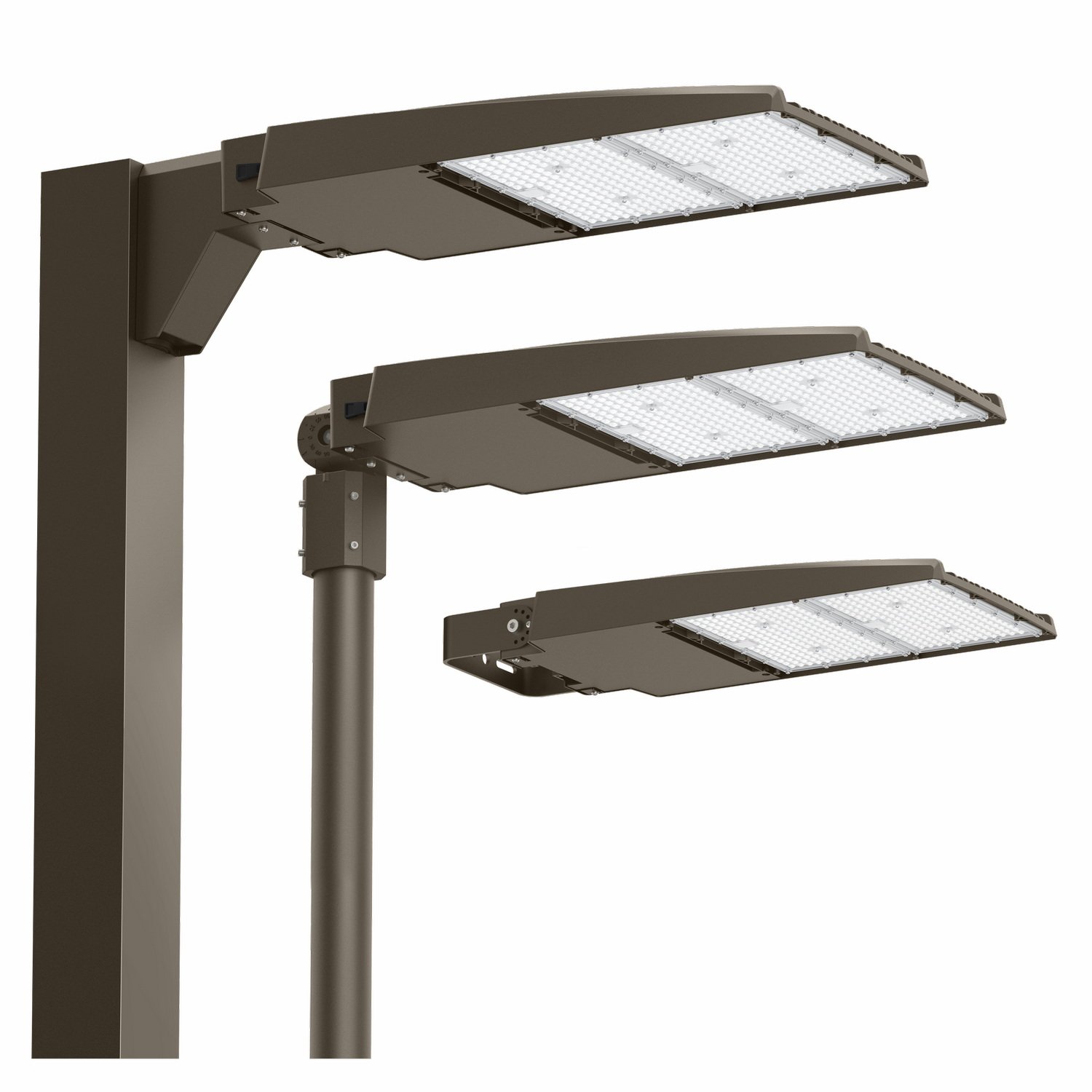
Showing 13–15 of 15 results
 SKU:MLLG-YA-LED-PTP2-150 | Web ID:1369Availability: 32 In Stock Ships 3-5 Days
- Lumens: 19500
- Replaces: 400 Watt Metal Halide
- Color Temp: 5000K
- CRI: 70+
- IP Rating: IP65
- Rated Life: 50,000 (L70) hours
- Dimmable: 1-10V
- Beam Angle (Std): Type 5
- Mount: 2 3/8 in Pole
- Dimensions (in): 22 X 18 X 22 in
- Weight (lbs): 28 lbs
Starting At$597.83


- SKU:MLLG-YA-LED-PTP2-300-[V] | Web ID:1373100V-277V:Out of Stock277V-480V:19 In StockShips 3-5 Days
- Lumens: 39000
- Replaces: 1000 Watt Metal Halide
- Color Temp: 5000K
- CRI: 70+
- IP Rating: IP65
- Rated Life: 50,000 (L70) hours
- Dimmable: 1-10V
- Beam Angle (Std): Type 5
- Mount: 2 3/8 in Pole
- Dimensions (in): 22 in L X 18 in W X 22 in H
- Weight (lbs): 28 lbs
Starting At$644.44 - SKU:LLS-AG-SPT-10-CC-BZ | Web ID:2725Minimum Order: 10Minimum Order Total: $4,780.00Built to Order 8-10 Weeks
- Lumens: 1700
- Replaces: 100 Watt Metal Halide
- Color Temp: 3000K | 4000K | 5000K
- CRI: 70+
- IP Rating: IP66
- Rated Life: 100,000 (L70) hours
- Dimmable: No
- Beam Angle (Std): 120°
- Mount: Slip Fitter
- EPA Rating: .2
- Dimensions (in): 20 X 17 in
- Weight (lbs): 20
Starting At$478.00


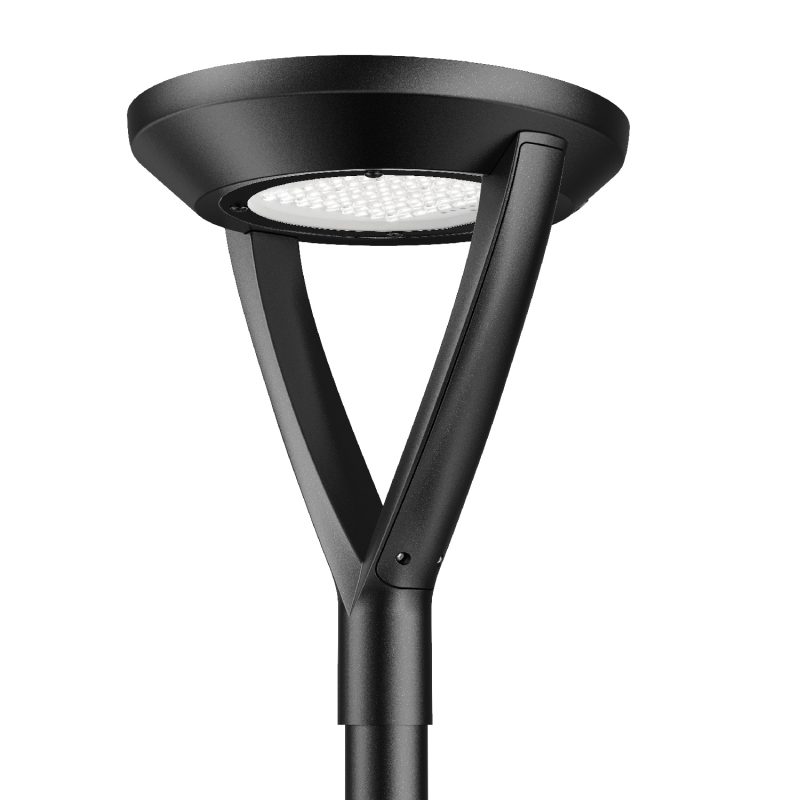
What Are LED Post Top Lights
LED post top lights are pole-mounted outdoor fixtures used for pedestrian-scale and lower-pole lighting. They are commonly installed along pathways, parks, campuses, HOA common areas, commercial courtyards, small parking areas, decorative streetscapes, playgrounds, and outdoor building corridors where appearance, comfort, visibility, and reduced maintenance matter.
Post top fixtures are typically used on poles under 20 feet high. They provide broad outdoor illumination from the top of a pole and are often selected when a decorative or architectural appearance is preferred over a standard shoebox-style area light. Many projects involve replacing metal halide or high-pressure sodium fixtures with LED post top lights for improved efficiency, better light quality, instant-on operation, and reduced lamp and ballast maintenance.
Available options may include photocells for dusk-to-dawn operation, color-adjustable CCT, wattage-selectable output, 1-10V dimming, different CRI options, IP-rated housings, and multiple mounting configurations depending on the model. Fixture selection should be based on pole height, pole spacing, tenon size, voltage, controls, desired lumen output, light distribution, color temperature, and the purpose of the area being illuminated.

This customer upgraded pathway lighting with an adjustable LED post top fixture providing 10,400 to 19,500 lumens.
Selection and Installation Note: Product specifications, mounting options, controls, certifications, IP ratings, wind load requirements, voltage, dimming capability, photocell options, and warranty coverage vary by model. Confirm the selected product specification before ordering. For code-sensitive, electrical, public-area, egress, security, dark-sky, or safety-critical applications, verify requirements with your local inspector or a licensed electrical professional.
Choose LED Post Top Lights by Fixture Style, Controls, or Retrofit Need
The best LED post top light depends on the pole height, existing tenon, fixture style, light output, color temperature, control requirements, wind exposure, and whether the project is a new installation or a retrofit from HID lighting.
| Post Top Lighting Option | Best Used For |
|---|---|
| Standard LED Post Top Lights | Pathways, campuses, parks, HOA common areas, commercial courtyards, small parking areas, and pedestrian-scale outdoor lighting on lower poles. |
| Decorative LED Post Top Lights | Parks, plazas, streetscapes, HOA entrances, community spaces, and locations where fixture appearance is part of the outdoor design. |
| Wattage Adjustable Post Top Lights | Retrofit projects where field-adjustable lumen output helps fine-tune brightness after installation or where existing light levels are uncertain. |
| Color Adjustable Post Top Lights | Projects where 3000K, 4000K, or 5000K color temperature selection may need to be finalized after installation or matched to nearby lighting. |
| Photocell-Compatible Post Top Lights | Dusk-to-dawn operation for pathways, parks, campuses, commercial properties, and common areas where automatic nighttime operation is preferred. |
| Dimmable Post Top Lights | Applications where compatible 1-10V dimming or lighting controls are needed for reduced output, after-hours operation, or energy management. |
| LED Post Top Retrofit Applications | Replacing metal halide or high-pressure sodium post top fixtures where the existing pole height, tenon, voltage, and fixture style can support the new LED fixture. |
| LED Post Top Light Bulb Retrofits | Simple upgrades inside certain existing fixtures where optics, heat management, socket condition, ballast bypass, and fixture condition are appropriate for a lamp retrofit. |
When LED Post Top Lights Are the Right Fit
LED post top lights are best used for pedestrian-scale outdoor lighting where appearance, comfort, energy savings, and even coverage matter. They are not always the right fixture for tall poles, large parking lots, high-security sites, or targeted lighting applications where shoebox, area, bollard, or flood lights may be better suited.
| Use LED Post Top Lights When | Do Not Use LED Post Top Lights When |
|---|---|
| Pole heights are typically under 20 feet and pedestrian-scale lighting is needed for pathways, parks, campuses, HOAs, and common areas. | Poles are over 20 feet high or the project requires wider parking lot coverage from taller mounting heights. Shoebox or area lights may be more appropriate. |
| Fixture appearance matters and the project needs a decorative or architectural pole-mounted fixture. | Maximum targeted security lighting is required and the site needs high-output optics, taller poles, or directional flood lighting. |
| Older metal halide or high-pressure sodium fixtures are being replaced and the goal is lower energy use, improved light quality, and reduced maintenance. | The existing pole cannot support the new fixture due to weight, wind load, pole condition, mounting compatibility, or structural concerns. |
| Photocell or control operation is planned and the selected fixture supports the required control method. | Photocells would face fixture output or be mounted where they may detect the fixture's own light and cause false cycling. |
| Moderate, comfortable outdoor illumination is needed for pedestrian movement, visibility, and general area lighting. | Long circuit runs have not been reviewed and voltage drop may cause flickering, dimming issues, or premature driver problems. |
Choosing LED Post Top Lights by Pole Height, Mounting, Distribution, Lumens, Color Temperature, and Controls
Post top lights should not be selected by wattage alone. The right fixture depends on pole height, pole spacing, tenon size, lumen output, distribution pattern, color temperature, CRI, voltage, controls, photocell placement, wind exposure, and whether the project needs a decorative appearance or higher-output area coverage.
A photometric plan is recommended for campuses, parks, HOAs, commercial properties, small parking areas, streetscapes, outdoor corridors, and security-sensitive pedestrian areas where fixture spacing, light levels, uniformity, glare, light trespass, or dark-sky requirements must be reviewed before ordering.
Planning Checklist
| Planning Factor | What to Confirm |
|---|---|
| Pole height | Post top lights are commonly used on lower poles, often under 20 feet. Taller poles or large-area layouts may require shoebox or area lights instead. |
| Pole spacing | Confirm spacing between poles before selecting wattage, lumen output, distribution, and fixture quantity. Wide spacing may require a different fixture type or higher-output model. |
| Tenon and mounting compatibility | Measure the existing pole tenon diameter before ordering. Confirm whether the fixture fits a 2 3/8 inch pole, 3 inch pole, slip fitter, or another mounting configuration. |
| Lumen output | Compare actual LED lumen output, fixture distribution, pole height, and spacing instead of matching HID wattage directly. |
| Distribution pattern | Match the distribution to the application. Pathways, plazas, small parking areas, and open common spaces may require different optics or coverage patterns. |
| Color temperature | 3000K is often used for warmer parks, HOAs, and decorative areas. 4000K is common for general commercial visibility. 5000K may be used where brighter perceived visibility is preferred. |
| CRI | Available CRI ratings vary by model and may include 70+, 75+, or 80+ options. Confirm CRI requirements before ordering. |
| Photocell operation | Confirm whether the fixture includes, accepts, or excludes a photocell. Place photocells where they will not detect the fixture's own output and cause false cycling. |
| Dimming and controls | Some models support 1-10V dimming while others are non-dimmable. Confirm controls, wiring, and driver compatibility before ordering. |
| Voltage and circuit length | Confirm site voltage and evaluate long circuit runs for voltage drop, especially on remote poles or large outdoor properties. |
| Wind load and pole condition | Confirm existing pole condition, fixture weight, wind exposure, EPA, and structural suitability before replacing older HID fixtures with larger or differently shaped LED housings. |
| Light trespass and glare | Review nearby residences, roads, windows, pedestrian comfort, dark-sky needs, and local ordinances before selecting output and optics. |
Recommended Foot-Candles for LED Post Top Lighting
Use the tool below for general starting foot-candle ranges by post top lighting application. It includes pedestrian pathways, parks, HOA common areas, campus walkways, commercial common areas, small parking lots, outdoor building corridors, playgrounds, decorative streetscapes, and security-sensitive pedestrian areas.
Foot-candle guidance helps with light-level planning, but it does not determine fixture count, fixture spacing, pole height, mounting compatibility, wind load, voltage drop, photocell placement, glare, light trespass, or local code requirements. For larger or visibility-sensitive outdoor projects, request a lighting plan before ordering.
LED Post Top Lights Compared with Shoebox Lights, Flood Lights, Bollards, and HID Fixtures
LED post top lights, shoebox lights, flood lights, bollard lights, and HID fixtures all serve different outdoor lighting needs. Choosing the wrong fixture type can create poor coverage, glare, excessive brightness, or unnecessary cost.
| Lighting Type | Best Used For |
|---|---|
| LED Post Top Light | Pedestrian-scale outdoor lighting for pathways, parks, campuses, HOAs, small parking areas, plazas, and decorative commercial spaces on lower poles. |
| LED Shoebox or Area Light | Larger parking lots, roadways, commercial sites, and taller pole applications where wider coverage and higher-output area lighting are needed. |
| LED Flood Light | Targeted illumination for signs, building facades, equipment yards, loading areas, security zones, and surfaces that need directional light. |
| LED Bollard Light | Low-level pedestrian lighting for paths, entrances, landscapes, and areas where very low mounting height and visual comfort are preferred. |
| Metal Halide or High Pressure Sodium Post Top | Older lighting technology with higher maintenance, lamp and ballast replacement, warm-up time, lumen depreciation, and limited controls compatibility. |
| LED Post Top Retrofit Bulb | Selective retrofit projects where the existing fixture housing, socket, thermal condition, optics, and ballast bypass requirements are appropriate for a lamp-only upgrade. |
Post Top Lighting Project Example
Post top lighting projects depend on pole height, spacing, fixture output, mounting compatibility, color temperature, and the desired appearance of the outdoor space. The example below shows a pathway lighting upgrade using adjustable LED post top fixtures.

Adjustable LED post top fixtures can help replace older HID fixtures while giving property owners more control over wattage, lumen output, and color temperature.
Outdoor Lighting Certifications, Rebates, and Warranty Support
LED post top lights from LED Lighting Supply carry a safety listing such as UL, ETL, or CSA, depending on product. Many models are DLC or DLC Premium listed for utility rebate support where available. Rebate requirements vary by utility, region, and product listing, so confirm eligibility on the selected product specification before ordering.
Most LED post top lights include a 5-year warranty unless otherwise specified, with USA-based warranty support. Before purchase, confirm voltage, controls compatibility, mounting method, wind exposure, photocell compatibility, environmental exposure, and whether the fixture is right for the site layout and surrounding conditions.
Common LED Post Top Lighting Mistakes
LED post top upgrades are usually straightforward, but the most common issues involve mounting compatibility, photocell placement, HID wattage assumptions, optic selection, wind load, color temperature, controls compatibility, and voltage drop.
- Not measuring tenon diameter: Incorrect mounting compatibility can delay installation and require adapters or returns. Measure the existing tenon before ordering.
- Matching HID wattage instead of lumens: LED wattage does not directly match HID wattage. Compare lumen output, distribution, pole height, and spacing.
- Using the wrong distribution pattern: Pathways, plazas, small parking areas, and open common spaces may require different optics or coverage patterns.
- Poor photocell placement: Photocells can falsely cycle if they detect the fixture's own LED output. Use proper placement or remote sensors where needed.
- Ignoring wind load capacity: Larger or differently shaped LED housings may create different wind load demands than older HID fixtures. Verify pole suitability before installation.
- Assuming every fixture is dimmable: Some LED post top fixtures support 1-10V dimming, while others are non-dimmable. Confirm driver and controls compatibility.
- Choosing the wrong color temperature: 3000K may be best for comfort and appearance, while 4000K or 5000K may be better where brighter visibility is preferred.
- Ignoring voltage drop on long runs: Remote poles and long circuit runs may require wire sizing review to prevent flickering or driver issues.
- Overlooking light trespass and glare: Nearby residences, windows, roads, and pedestrian comfort should be considered before selecting output and optics.
- Skipping a lighting plan for larger outdoor areas: Campuses, parks, HOAs, small parking areas, and commercial common areas should be reviewed for light levels, spacing, uniformity, glare, and fixture placement.
Request a post top lighting plan and our Product Specialists can help review pole height, pole spacing, mounting compatibility, lumen output, color temperature, photocell placement, voltage, wind exposure, controls, light levels, and product specifications for your LED post top lighting project.
This Content Was Professionally Reviewed By:

Dwayne Kula
Founder, President & CTO
LED Lighting Supply
- 17+ years in LED lighting systems
- B.Sc. in Software Engineering
- Specializes in industrial & commercial lighting
This content was reviewed for technical accuracy, real-world application, and clarity based on over 17 years of experience working with LED lighting systems.
LED Post Top Lights Frequently Asked Questions
What Are LED Post Top Lights
LED Post Top Lights are robust fixtures mounted on poles, typically under 20 feet high, designed for effective downlighting in pathways, parks, and commercial areas. They offer superior energy efficiency and light quality compared to metal halide and high-pressure sodium systems. Many models support photocell compatibility for automatic dusk-to-dawn operation, and advanced options include color-adjustable CCT and wattage-selectable output for added flexibility. These fixtures are an excellent choice for modernizing outdated lighting systems.
What Are the Best Applications for LED Post Top Lights
LED Post Top Lights are ideal for parking lots with 15-20 ft pole heights and wide distribution optics. They provide uniform lighting for pedestrian pathways at 8-12 ft heights and are suitable for building corridors to prevent shadowing. In parks and greenspaces, a warm 3000K color temperature creates inviting environments, while outdoor playgrounds benefit from high CRI 82+ lighting for safety. They are also effective in HOA common areas where dimmable options balance comfort and energy savings.
What Are the Benefits of LED Pole Top Lights
LED Pole Top Lights offer 60% energy savings over traditional systems, reducing operating costs. They provide high-quality lighting with CRI 82+ for natural color rendering and are maintenance-free due to their solid-state construction. These lights ensure safety with consistent illumination, have a long lifespan with 100,000+ hour L70 ratings, and support controls integration with photocell compatibility and 0-10V dimming. They also reach full brightness instantly, enhancing safety and efficiency.
What Should Be Verified Before Ordering LED Post Top Lights
Before ordering, confirm existing pole tenon diameters and mounting compatibility, compare current HID wattage with required LED lumen output, and assess pole height and spacing for proper light distribution. Verify voltage requirements and circuit run lengths, and consider application needs for color temperature selection. For precise planning, a photometric analysis can provide detailed light distribution and fixture placement recommendations.
Why Choose LED Lighting Supply for Your Post Top Lighting Project
LED Lighting Supply offers over 15 years of commercial project experience, providing precise energy savings calculations and custom lighting plans tailored to your facility's needs. Our approach ensures ideal light distribution and maximizes energy savings. Our expert guidance matches the right fixtures to your application, supported by a knowledgeable technical team.