Why Upgrade to LED Lighting?
Modern technology has transformed efficiency across industries, from smartphones to fuel-efficient vehicles. LED lighting can be one of the most effective upgrades a commercial facility can make. Compared with many older lighting systems, an LED conversion can reduce lighting energy use, reduce maintenance needs, and improve control options. Actual energy savings and service life depend on the existing system, selected LED product, operating hours, controls, and application. This is why businesses frequently choose us to replace metal halide systems and convert fluorescent to LED.
Important: Commercial lighting installations should be performed by qualified electricians in accordance with local electrical codes, product instructions, and safety requirements.
The question for many facilities isn’t whether to upgrade to LEDs – it’s how to plan and implement the conversion effectively. LED lighting can provide practical benefits for offices, commercial facilities, warehouses, parking lots, factories, and schools when fixtures and layouts are selected for the application.
Traditional Light Bulbs – What You Currently Have
Before we explain why LEDs often outperform alternatives, let’s examine your current lighting system. Understanding your starting point helps us recommend an appropriate LED replacement strategy. Here’s what we commonly find during commercial lighting audits across different facility types.
Metal Halide
Metal halide lamps generate light through an electrical arc in a mixture of gases and metal-halide compounds. They generally require a warm-up and restrike period, and their color temperature varies by lamp type. We frequently replace these systems in stadium applications, manufacturing facilities, and distribution centers. Rated lamp life and lumen maintenance vary by wattage and product, but metal halide systems commonly experience substantial light-output depreciation over their operating life.

Fluorescent
Fluorescent systems are common in many offices. When introduced, fluorescent technology offered higher efficacy and longer service life than many incandescent lamps. Fluorescent lamps are available in different color temperatures and color-rendering levels. However, fluorescent lamps contain mercury, creating handling and disposal considerations if tubes break or reach end of life. Flickering, humming, and reduced output can occur as lamps or ballasts age.

Halogen
Halogen fixtures represent an enhanced incandescent design. Electrical current passes through tungsten filaments surrounded by halogen gases. The filament heating process generates substantial heat, making fixtures hot to touch and potentially adding to cooling loads in conditioned spaces. Halogen lamps do not contain mercury, though tungsten-filament technology remains energy-intensive compared with many LED alternatives.

Incandescent
Most commercial facilities have moved away from incandescent technology because of its relatively low efficacy and short rated life. While incandescent lamps do not contain mercury, current energy-efficiency standards have made them less practical for many general-lighting applications. A primary operational advantage is instant illumination without warm-up time. Their warm appearance and lower efficacy typically limit applications to decorative or accent lighting. Facilities using incandescent systems may see substantial energy-use reductions after a properly designed LED conversion.

LED Lighting – Superior Performance Across Multiple Categories
1. Potential Cost Savings
LED conversion can deliver multiple types of cost reduction, though results vary by facility size, existing system, operating schedule, utility rates, fixture selection, and controls. LED luminaires can provide the required illuminance with lower input wattage than many legacy technologies. Lighting-energy savings of 50-80% may be possible in some metal halide or incandescent replacement projects, but savings should be calculated for the specific project.
Many commercial LED luminaires are rated for long service life, often expressed as lumen-maintenance ratings such as L70 at 50,000 hours or more. Actual useful life depends on the product, driver, ambient temperature, operating conditions, and maintenance practices. Reduced relamping and maintenance needs can lower operating costs, particularly in facilities with difficult-to-access fixtures.
2. Enhanced Light Quality and Color Accuracy
Beyond potential financial advantages, LED technology can improve workplace environments when the appropriate optics, color temperature, and light levels are selected. Fixture specifications provide color-rendering information measured by the Color Rendering Index (CRI), which describes how faithfully colors are rendered compared with a reference source. Many commercial LED products are available with CRI ratings of 80 or higher; verify the rating for the specific fixture.
Research suggests that lighting quality and lighting conditions may affect occupant comfort and visual performance. Results depend on the complete lighting design, including illuminance, glare control, color quality, daylight, task requirements, and individual needs.
3. Return on Investment Considerations
LED lighting conversions can generate measurable ROI through lower energy use and reduced maintenance, with results depending on existing technology, facility size, operating hours, product selection, and utility rates. Adding occupancy sensors and dimming controls can further reduce energy use when they are compatible with the selected fixtures and programmed for the space. The additional savings from controls vary substantially by occupancy patterns and control strategy.
Note: Actual savings depend on multiple factors, including current system efficiency, operating hours, local utility rates, controls, and facility characteristics. Consult qualified lighting and electrical professionals for project-specific ROI calculations and installation requirements.
4. Operational and Maintenance Benefits
LED technology offers numerous practical advantages that can reduce facility management complexity:
- LED light sources do not use mercury, unlike fluorescent and metal halide lamps
- Solid-state LED light engines can be less susceptible to breakage than glass lamps, although fixture durability varies by model and installation
- Instant illumination with no lamp warm-up period
- Dimming, sensors, and lighting-management features are available on compatible fixtures and controls
5. Environmental Responsibility and Compliance
Reduced energy consumption and extended service life can make LEDs an environmentally responsible lighting choice when products are selected, installed, and managed appropriately.
Lower energy demand can reduce power-plant emissions associated with electricity generation, depending on the local electrical grid. Unlike fluorescent and metal halide systems, LED light sources do not contain mercury. However, LED lamps and fixtures are electronic equipment and may contain drivers, circuit boards, metals, and other components that should be managed through appropriate recycling or e-waste programs where available.
When traditional fixtures reach end of life, proper disposal is important for environmental protection. Here’s how different technologies should be handled:
- Fluorescent systems – Mercury content requires specialized handling and disposal following EPA guidelines. Disposal requirements vary by state and locality, so check applicable regulations and recycling options.
- Compact fluorescent bulbs – These have similar mercury-handling considerations as fluorescent tubes. Many local recycling facilities accept them as specialized materials.
- LED fixtures – LED products do not contain mercury, but lamps, drivers, and fixtures may be accepted through electronics-recycling or manufacturer recycling programs. Recycling and disposal requirements vary by jurisdiction and product components.
Important: Always consult local waste-management authorities, recycling providers, and applicable regulations for current disposal requirements and approved recycling facilities.
Professional LED Conversion Process
LED conversion requires strategic planning rather than simple bulb replacement. A successful retrofit begins with determining the target illuminance and uniformity for the space, then selecting fixtures, such as LED high bay lights for high-ceiling spaces, that deliver those results without unnecessary energy use or glare.
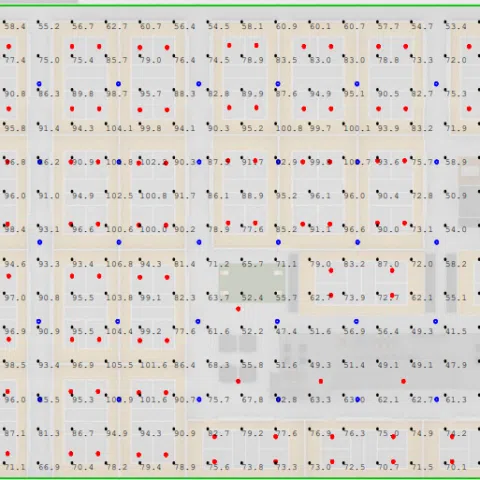
LED optics can direct a larger portion of a fixture’s output toward the intended area than some legacy reflector systems. Lower fixture input wattage may also reduce internal heat gains in some conditioned spaces. Because fixture distribution, mounting height, spacing, color temperature, glare, controls, and electrical compatibility all require evaluation, LED conversion benefits from professional planning. Our lighting specialists can help compare fixture specifications and prepare photometric lighting plans using fixture-specific IES data.
For complex installations, consult qualified lighting designers, electrical professionals, or engineers as appropriate to address project requirements and code compliance.
Start Your LED Conversion With Professional Planning
An effective first step is requesting our complimentary lighting design service. Successful LED conversion begins with establishing lighting targets for the application, such as target foot-candles or lux, uniformity, and glare considerations. Provide us with your facility dimensions and current lighting layout, and our team can prepare a photometric lighting plan using the application information you provide. We offer free lighting plans for commercial and industrial customers because project success matters to both our customers and our reputation.
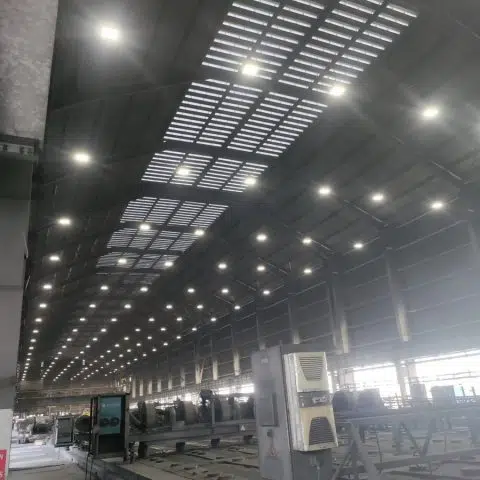
We appreciate receiving conversion feedback and before-and-after photos from customers. Our goal is to help customers select lighting that supports their target illumination levels and balanced light distribution for the intended space.
Ready to start? Contact our lighting specialists with your facility dimensions, ceiling heights, current fixture information, and application requirements for a customized lighting plan.
How LED Lighting Supply Supports Your Project Success
Our experienced lighting specialists use photometric calculations and customer-supplied operating information to estimate potential energy savings and payback periods for a specific facility. We can provide energy-use estimates based on current fixture wattage, proposed fixture wattage, operating hours, and utility-rate information supplied for the project. Our team reviews building characteristics such as ceiling heights, work areas, mounting locations, and usage patterns to help identify suitable fixture options.
Our complimentary custom lighting plans can include fixture placement diagrams, calculated illuminance maps, and estimated energy and payback information tailored to your facility type and budget requirements. Final electrical design, installation, code compliance, and any required engineering approvals remain the responsibility of the qualified professionals and authorities responsible for the project.