Data Center Lighting Layout & Design
Get Your Custom Lighting Plan With Product Recommendations
 Includes up to 8% off the price of our recommended lighting products
What to expect when Requesting a lighting plan?

 A Lighting Expert Reviews Your Request

 We Follow Up to Gather Project Details
 Custom Lighting Plan With Product Recommendations is Created
 Review and Approve Your Lighting Design
 Purchase the Recommended Products
Ongoing Expert Support & Aftercare
Installation check-in, product support, and manufacturer direct warranty handling


Dedicated Sales Support

Every lighting plan comes with a dedicated product specialist, providing personalized service and expert advice for your project needs.
How long does it take to get a plan?

1-2 for indoor and 2-3 days for outdoor projects
Our Customers


 CBRE needed high quality lighting for their customer, with stock available for ongoing projects.
 Customer had an urgent need for high temperature lights. We had them in stock & shipped out next day.
 Poor lighting caused parking lot safety issues for spectators. Our lighting plan & new lights resulted in an improved experience.
 Customer needed to source large quantities of specialty fixtures for use in their manufactured products.
 Tracy Electric was seeking a reliable source for ongoing lighting projects.
 Distributors partner with us to provide customers a high quality product at a reasonable price.
 Repeat lighting supplier for an electrical contractor working in manufacturing facilities.
 Permanent tent lighting for large acrobatics facility. Our lighting plan & recommendations resulted in ideal performer & spectator safety.
Data center lighting design is critical for operational efficiency, equipment safety, security, and maintenance access. A well-designed lighting plan ensures uniform illumination between racks, minimizes shadows, supports technician visibility, and helps protect sensitive equipment areas. Understanding layout, fixture selection, recommended light levels, mounting methods, and outdoor security lighting helps you make informed decisions before purchasing fixtures.
Frequently Asked Questions
What Goes Into Successful Data Center Lighting Design?
Data center lighting design requires a detailed analysis of rack layouts, ceiling heights, aisle widths, access points, and existing infrastructure. Server racks create shadows and obstruct light distribution, similar to warehouse environments with high shelving. A professional lighting plan accounts for these obstructions and specifies fixture placement to support uniform illumination, maintenance access, and safe movement throughout the facility.
What Is the Ideal Data Center Lighting Layout?
The ideal layout provides uniform light coverage with fixtures positioned to reduce shadows between server racks. Layouts often include motion-sensing controls in low-traffic areas and consistent illumination in work zones where technicians perform maintenance or repairs. Fixture spacing typically ranges from 8 to 12 feet on center, depending on ceiling height, fixture output, and rack configuration.
What Are the Recommended Data Center Light Levels?
Data center lighting levels vary by function, occupancy patterns, and task requirements. Many areas use motion-sensing controls because they are not continuously occupied.
- Server Rooms: 30-50 foot-candles
- Repair Areas: 50-75 foot-candles
- Storage Areas: 20-30 foot-candles
- Hallways and Corridors: 20-30 foot-candles
How Should Outdoor Security Lighting Be Planned for a Data Center?
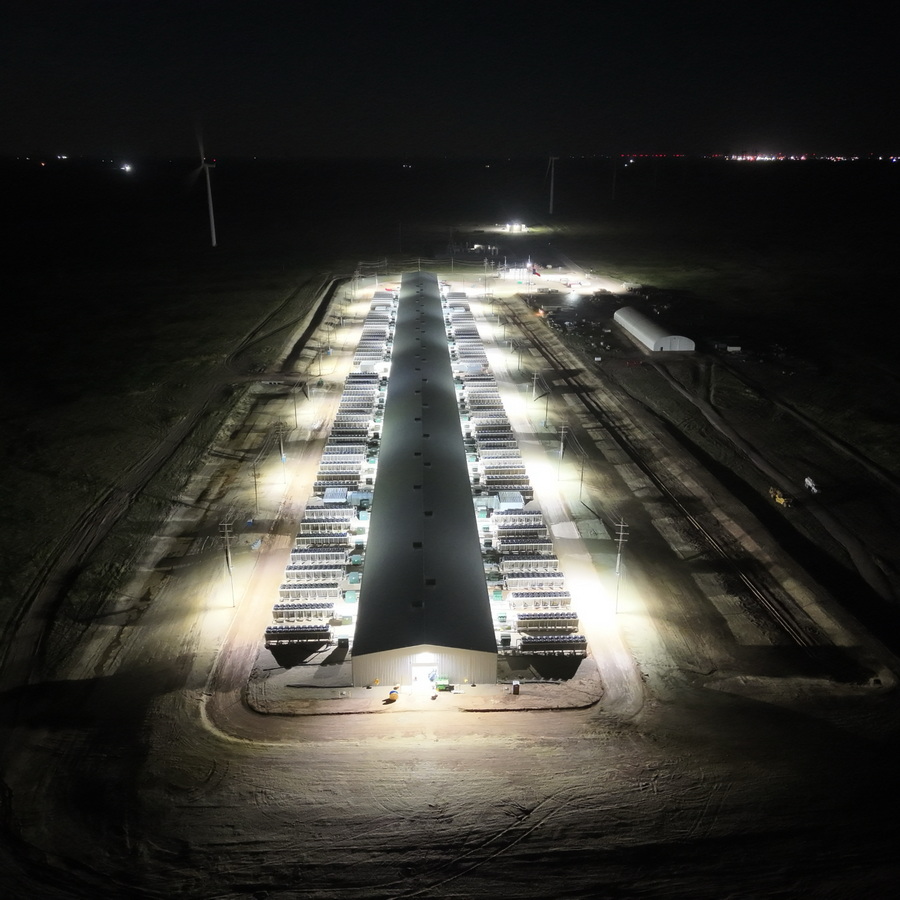
Outdoor data center security lighting should provide clear visibility around building entrances, gates, loading areas, equipment yards, fence lines, and camera-monitored zones. The goal is to reduce dark spots, support surveillance cameras, and improve visibility for security teams without creating excessive glare or light trespass. A lighting plan should account for pole height, fixture aiming, beam distribution, mounting locations, nearby properties, and critical access points.
Why Is Security Lighting Important for Data Centers?
Data centers often require controlled access and reliable perimeter visibility. Properly designed security lighting helps identify vehicles, pedestrians, doors, gates, and exterior equipment areas after dark. It also supports camera performance by providing more consistent illumination across monitored areas. Poorly placed fixtures can create glare, shadows, or overexposed camera views, so fixture placement and aiming should be planned carefully.
What Type of Outdoor Fixtures Work Best for Data Center Security Lighting?
The best outdoor fixtures depend on the area being illuminated. LED area lights are commonly used for parking lots, access roads, and equipment yards. Wall packs are often used around doors, loading areas, and building perimeters. Flood lights may be used for targeted security zones, provided they are aimed correctly to reduce glare and avoid unwanted spill light. Fixture selection should consider lumen output, optical distribution, mounting height, controls, and environmental ratings.
How Can Data Center Security Lighting Reduce Glare and Light Trespass?
Glare and light trespass can be reduced with proper fixture aiming, shielding, optical selection, and pole placement. Fixtures should direct light onto the intended area rather than into cameras, neighboring properties, roadways, or worker sightlines. A photometric lighting plan helps verify coverage, identify hot spots, and confirm that outdoor lighting supports security without creating visibility problems.
Is Heat Dispersion Taken Into Account for Data Center Lighting Design?
LED fixtures generate less heat than many traditional lighting systems, which can help reduce unnecessary HVAC load. Lighting design should still consider ambient temperatures at fixture mounting heights to ensure selected fixtures operate within their rated conditions. For high-temperature environments, fixtures with higher temperature tolerances may be required. Heat output should be considered as part of the overall facility lighting strategy.
How Do I Determine the Best Fixture for Each Part of the Data Center Facility?
A customized lighting plan specifies fixture types, wattages, optics, controls, and mounting methods for each zone. Different areas may require different solutions, including general illumination for rack aisles, task lighting for repair areas, emergency egress lighting, and outdoor security lighting for perimeter areas. Photometric analysis helps confirm light levels before fixtures are purchased or installed.
What Is the Best Way to Mount Lights in a Data Center?
Fixtures are typically mounted in suspended ceiling grids or surface-mounted directly to structural ceilings. Grid-mounted fixtures can offer easier access for maintenance, while surface-mounted fixtures may provide better light distribution in high-ceiling applications. Mounting methods should be selected based on ceiling type, rack layout, access requirements, and any applicable seismic or safety requirements.
How Much Does a Professional Data Center Lighting Plan Cost?
Professional lighting plans typically cost $500 to $2,000, depending on facility size and complexity. This investment can prevent costly fixture selection mistakes, over-purchasing, under-lighting, or poor fixture placement. LED Lighting Supply provides lighting plans for customers evaluating and purchasing fixtures for their project.
What Information Do You Need to Create a Data Center Lighting Plan?
Helpful information includes facility dimensions, ceiling heights, rack layouts, aisle widths, architectural drawings, and floor plans. Photos of existing conditions can help identify mounting challenges and ceiling types. Electrical panel locations, current lighting details, access points, and outdoor security zones also help create a more accurate plan.
How Long Does It Take to Receive a Complete Lighting Design?
Most data center lighting plans are completed within 3 to 5 business days after receiving facility information. Complex multi-zone facilities may require 5 to 7 days. Rush service may be available for urgent projects with 24 to 48 hour turnaround times.
How Many Lights Do I Need for My Data Center?
The number of fixtures depends on your ceiling height, rack layout, target foot-candle levels, and the type of fixture selected. A professional lighting plan calculates the quantity and placement needed to achieve uniform coverage and reduce dark spots. Providing accurate facility details ensures a more precise recommendation.
How Far Apart Should Fixtures Be Spaced in a Data Center?
Fixture spacing is typically 8 to 12 feet on center, but this varies based on ceiling height, fixture output, optics, and rack configuration. Proper spacing ensures even light distribution and minimizes shadows between racks. A photometric layout will determine the optimal spacing for your specific environment.
Do I Need a Custom Lighting Plan for My Data Center?
Yes, a custom lighting plan is highly recommended for data centers because rack layouts, equipment areas, access points, and security needs vary by facility. A tailored plan helps select the right fixtures, achieve recommended light levels, reduce shadows, and avoid costly layout mistakes.