


Class 1 Division 2 LED Lights
- Listed for Class I Division 2 Groups C and D locations
- T-rating and gas Group options for various hazardous materials
- Hazardous-area lighting design available for fixture placement guidance


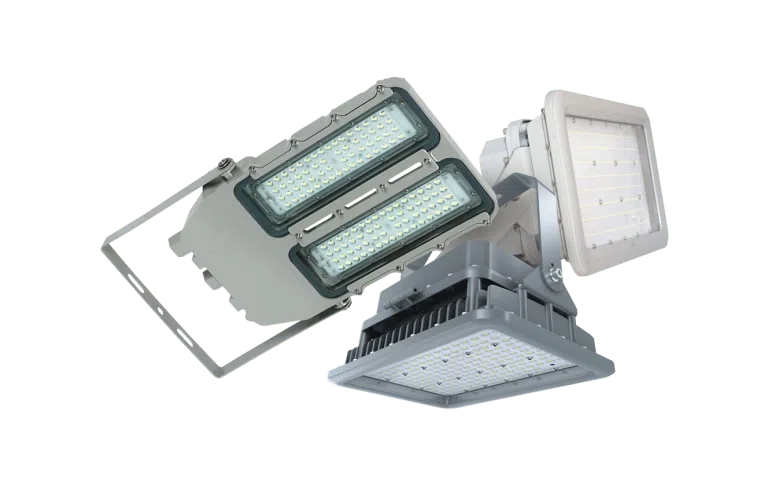

Our Class 1 Division 2 LED Lights for Hazardous Locations include LED fixtures for classified areas involving flammable gases or vapors. Available models vary by gas Group, T-rating, ambient range, voltage, mounting method, and controls. These fixtures are used in oil and gas operations, refineries, oil fields, pipeline facilities, chemical plants, paint and finishing areas, distilleries, water and wastewater treatment plants, marine facilities, and power generation facilities.


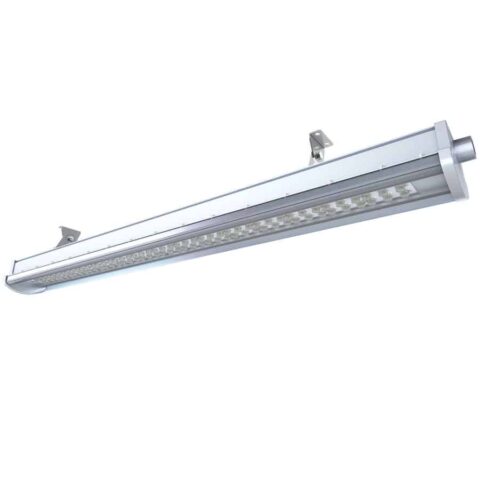


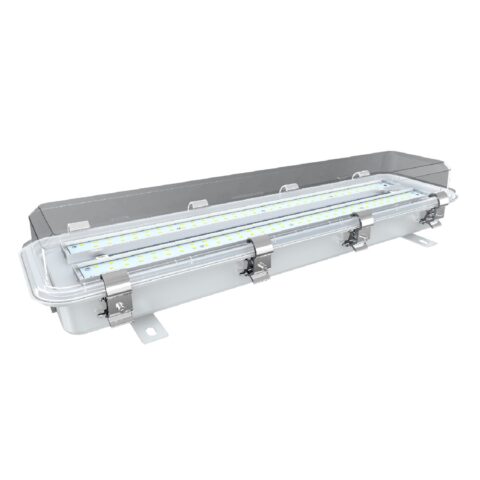

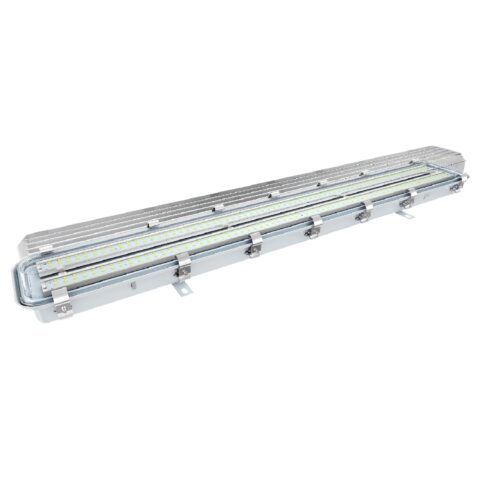

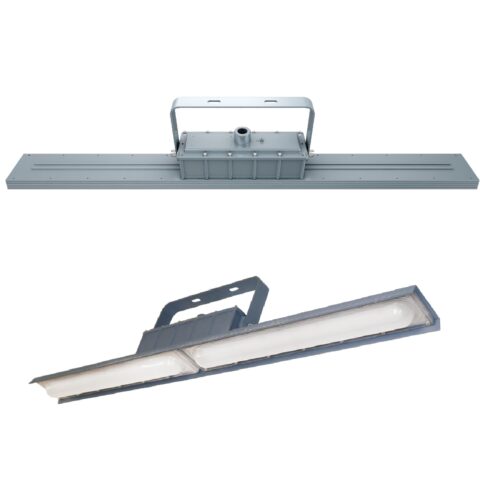
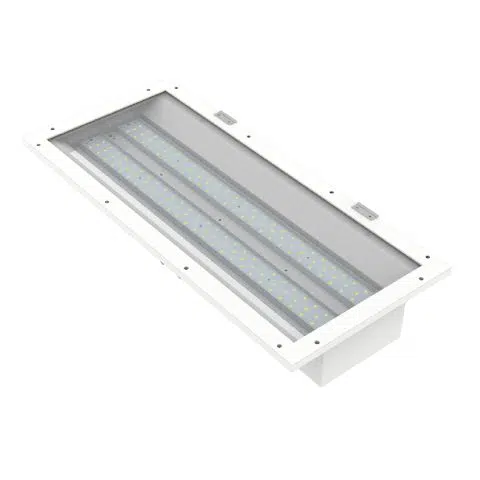
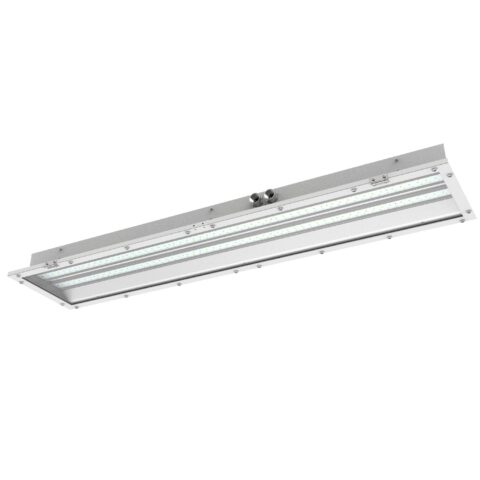

What Is Class I Division 2 LED Lighting?
Class I Division 2, commonly shortened to Class 1 Div 2 or C1D2, applies to hazardous locations involving flammable gases or vapors where ignitable concentrations are not normally present during normal operation, but may occur because of abnormal conditions such as leakage, equipment failure, closed-system rupture, or ventilation failure. These conditions may occur where flammable materials are normally contained within closed systems or where ventilation helps prevent hazardous concentrations from developing. Classification applies to the specific installation area, not automatically to an entire refinery, fuel facility, aircraft hangar, chemical plant, or similar operation. Class I Division 2 also does not mean every luminaire uses the same enclosure design or protection method. Select the fixture from its actual hazardous-location markings, listing, environmental ratings, and the requirements established for the project. Area classification should come from facility documentation, engineering or classification drawings, project specifications, the AHJ, or another qualified source. LED Lighting Supply can then help match those requirements to appropriate fixture options.
What Matters When Selecting the Light?
Start with the documented classification for the exact fixture location. Match the fixture's hazardous-location marking and listing to the required Division and gas or vapor Group, then confirm its T-rating and marked ambient range. These requirements should be established before comparing fixture type, output, or lighting layout. Then consider the actual operating environment: moisture, corrosion, washdown, chemicals, vibration, outdoor exposure, ambient temperature, voltage, and mounting method can all affect product choice. Lighting performance is a separate part of the decision. Lumens, optics, fixture spacing, mounting height, foot-candles, and uniformity determine whether the selected fixtures will adequately illuminate the space. A hazardous-area photometric plan can address those questions without being used as a substitute for hazardous-area classification.
Gas Groups and Temperature Rating
Class I locations may involve Groups A, B, C, and D. The Group identifies the gas or vapor characteristics relevant to hazardous-location equipment.
| Gas Group | Common Examples |
|---|---|
| A | Acetylene |
| B | Hydrogen and gases or vapors of equivalent classification |
| C | Ethylene and gases or vapors of equivalent classification |
| D | Propane, methane, gasoline vapors, benzene, certain alcohol vapors, and similar materials depending on classification |
The fixture also needs a temperature rating appropriate for the hazardous material. The T-rating identifies the fixture's maximum permitted surface temperature under the conditions covered by its listing. A lower maximum surface temperature corresponds to a higher T-number, so a T6-rated fixture has a lower maximum surface temperature than a T3-rated fixture.
| T-Rating | Maximum Surface Temperature |
|---|---|
| T1 | 450°C / 842°F |
| T2 | 300°C / 572°F |
| T3 | 200°C / 392°F |
| T4 | 135°C / 275°F |
| T5 | 100°C / 212°F |
| T6 | 85°C / 185°F |
The fixture's maximum surface temperature must be below the ignition temperature of the gas or vapor for which the equipment is being selected. A correct Division and Group marking does not make a luminaire suitable if its T-rating permits a surface temperature that is too high for the hazardous material. Also review the fixture's marked ambient-temperature range, since its temperature classification applies under the operating conditions covered by the product listing. Confirm the required T-rating from the project classification, hazardous-material information, engineering documentation, product listing, and applicable electrical requirements rather than selecting a fixture based on Division alone.
Arizona Algae Products New Explosion-Proof Workspace Case Study
The Backstory
Arizona Algae Products LLC was moving its warehouse operation to a newly constructed building and needed lighting for the center section of the space, which included two platforms, a walkway, and equipment that could create shadowing issues. They initially had only a rough estimate of what they might need and were seeking guidance on lighting for hazardous locations, wattage, fixture count, placement, and overall layout. The Director of Facilities and Maintenance, Christopher Knizeski, reached out to LED Lighting Supply and was paired up with Product Specialist Jake Hoffman for expert support in these areas.
The Customer Challenge
The customer knew they needed Class 1 Division 2 (C1D2) rated lighting for the area. This means flammable gases, vapors, or liquids could be present under abnormal conditions, such as equipment leaks or ventilation failures. Due to these factors, the area required an explosion-proof lighting solution. The fixtures needed to meet the safety demands of the environment while delivering strong, uniform illumination for a functional work area.
As the conversation developed, it became clear this wasn't a simple fixture installation. The customer needed to light a new warehouse workspace in a building that was still being constructed. The section being lit was obstructed by equipment and piping, all of which created the potential for shadowing and dark spots. The customer needed an expert's guidance to ensure the final lighting plan would support visibility, safety, and day-to-day work in the warehouse.


Lighting Plan We Created for the Customer
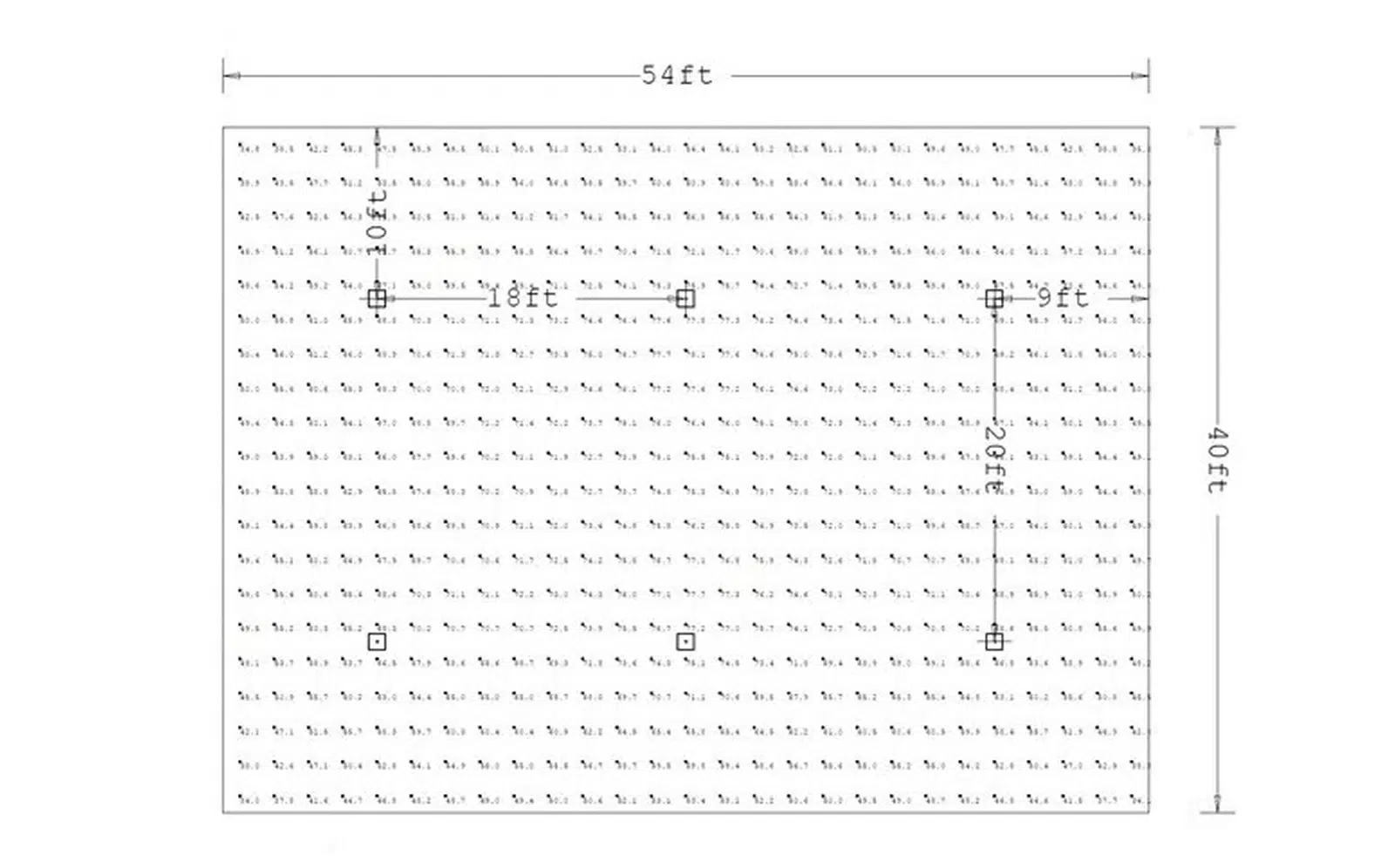
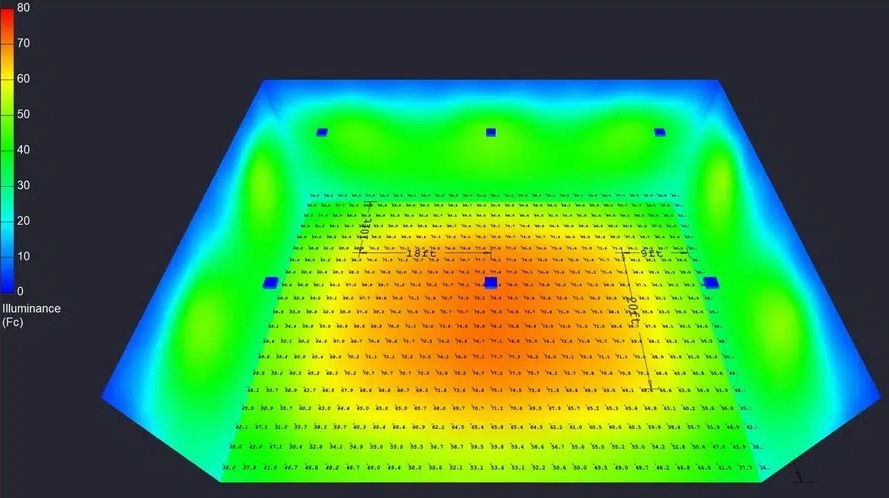
Lighting Plan Metrics
- Mounting Height: 20 ft
- Foot Candles Achieved: 62 average
- Product(s) Used: MLLG-E-LED-EXPLA-200-50-[V]-C1D2
Common Class I Division 2 Lighting Applications
Class I Division 2 lighting is used in specific areas where flammable gases or vapors are not normally present in ignitable concentrations but may be released under abnormal conditions. A facility can contain Division 1, Division 2, and unclassified areas, so use the documented classification for the exact fixture location rather than the industry name alone.
- Oil, gas, and fuel operations: C1D2 areas may occur around production, processing, storage, transfer, pumping, metering, and related equipment where flammable gases or vapors are normally contained but could be released through leakage, equipment failure, or other abnormal conditions. See guidance for oil and gas facilities, refineries, oil fields, pipeline facilities, and offshore oil rigs.
- Chemical, solvent, and flammable-vapor processes: Classified Division 2 locations may also occur in chemical plants, paint and finishing areas, distilleries, hydrogen facilities, biofuel facilities, and hazardous material storage areas where gases or vapors are normally contained but abnormal releases are possible.
- Energy, utility, and marine facilities: Certain areas within battery energy storage systems, water and wastewater treatment plants, ship engine rooms and marine facilities, and power generation facilities may also require C1D2 lighting when the documented classification identifies a Division 2 gas or vapor hazard.
For any of these applications, confirm the required gas Group, T-rating, ambient range, environmental conditions, voltage, mounting method, and product listing for the specific installation area.
Electrical Installation and Product Listings
The complete electrical installation matters. The permitted wiring method, conduit or cable system, boxes, fittings, seals where required, grounding, bonding, switches, controls, and other components must be appropriate for the classified location. Hazardous-location lighting should be installed by qualified electrical professionals in accordance with applicable codes, product listings, manufacturer instructions, and local requirements. Do not alter listed equipment or use components or connection methods that are not permitted by the listing. Safety and Performance Certifications: Hazardous-location markings and certifications are model-specific. Products may carry UL, ETL, CSA, or other applicable listings depending on the fixture and project. Review the exact model for its hazardous-location suitability, gas or vapor requirements, T-rating, ambient range, environmental ratings, voltage, mounting, and controls.
Warranty and Product Support
Many Class I Division 2 LED fixtures include a 5-year warranty unless otherwise specified, with warranty support based in the USA. If your project's classification is already documented, LED Lighting Supply can help narrow fixture options and provide a hazardous-area lighting design for fixture placement, quantity, mounting height, foot-candles, and uniformity. If the area instead requires Division 1 equipment, see our Class I Division 1 LED Lighting options.
This Content on explosion proof Class I Division 2 lighting guidance, hazardous location considerations, and fixture selection content Was Professionally Reviewed By:

Jamie Popp, Professional Electrical Engineer (PE)
Multi-State Licensed Professional Engineer
Master of Science in Engineering
Master of Science in Project Management
Jamie has spent over 15 years working directly with industrial energy systems and facility operations. In his engineering design work, he focuses on comprehensive lighting designs, complex power distribution engineering, technical hazardous area classifications, and design-level construction support.
He applies these specialized design skills across demanding environments, including petrochemical, nuclear, mining, pulp and paper, and manufacturing facilities.
This content was reviewed for technical accuracy, engineering relevance, real-world application, and clarity for the stated lighting topic.
Class 1 Division 2 LED Lights FAQs
Does Class I Division 2 Apply To An Entire Facility?
No. Class I Division 2 classification applies to the specific installation area, and a facility can contain Division 1, Division 2, and unclassified areas.
How Do I Confirm Whether A Fixture Location Requires Class I Division 2 Lighting?
Use facility documentation, engineering or classification drawings, project specifications, the AHJ, or another qualified source to identify the classification for the exact fixture location.
Is A Class I Division 2 Marking Alone Enough To Select A Fixture?
No. Select the fixture from its actual hazardous-location markings, listing, environmental ratings, and project requirements, including the required gas Group, T-rating, ambient range, voltage, mounting method, and environmental conditions.
Why Must The Gas Group And T-Rating Be Reviewed Together?
The fixture needs a temperature rating appropriate for the hazardous material, because a correct Division and Group marking does not make a luminaire suitable if its permitted surface temperature is too high.
What Should Be Considered After The Hazardous-Area Classification Is Established?
After classification is established, consider the gas or vapor requirement, T-rating, moisture, corrosion, washdown, chemicals, vibration, outdoor exposure, ambient temperature, voltage, and mounting method.
How Can A Hazardous-Area Photometric Plan Help With Fixture Selection?
A hazardous-area photometric plan can address fixture placement, quantity, mounting height, foot-candles, uniformity, lumens, optics, fixture spacing, and mounting height. It is not a substitute for hazardous-area classification.
Who Should Install Hazardous-Location Lighting?
Hazardous-location lighting should be installed by qualified electrical professionals in accordance with applicable codes, product listings, manufacturer instructions, and local requirements.
