Paint Booth Lighting Layout & Design
Get Your Custom Lighting Plan With Product Recommendations
 Includes up to 8% off the price of our recommended lighting products
What to expect when Requesting a lighting plan?

 A Lighting Expert Reviews Your Request

 We Follow Up to Gather Project Details
 Custom Lighting Plan With Product Recommendations is Created
 Review and Approve Your Lighting Design
 Purchase the Recommended Products
Ongoing Expert Support & Aftercare
Installation check-in, product support, and manufacturer direct warranty handling

Dedicated Sales Support

Every lighting plan comes with a dedicated product specialist, providing personalized service and expert advice for your project needs.
How long does it take to get a plan?

1-2 for indoor and 2-3 days for outdoor projects
Our Customers


 CBRE needed high quality lighting for their customer, with stock available for ongoing projects.
 Customer had an urgent need for high temperature lights. We had them in stock & shipped out next day.
 Poor lighting caused parking lot safety issues for spectators. Our lighting plan & new lights resulted in an improved experience.
 Customer needed to source large quantities of specialty fixtures for use in their manufactured products.
 Tracy Electric was seeking a reliable source for ongoing lighting projects.
 Distributors partner with us to provide customers a high quality product at a reasonable price.
 Repeat lighting supplier for an electrical contractor working in manufacturing facilities.
 Permanent tent lighting for large acrobatics facility. Our lighting plan & recommendations resulted in ideal performer & spectator safety.
A well-designed paint booth lighting layout ensures consistent, high-quality illumination for professional paint application and inspection. Proper lighting placement, fixture selection, and attention to both horizontal and vertical light levels are critical for accurate color matching and surface finish. Understanding these factors helps you choose the right fixtures and layout to meet safety requirements and achieve optimal results in your paint booth.
Frequently Asked Questions
What Is Lighting Design for a Paint Booth?
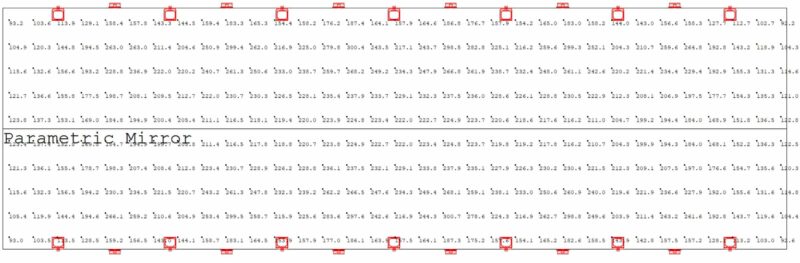
A paint booth lighting design layout is a detailed report showing the placement of paint booth lights and the resulting foot candle levels at key locations inside the booth. Unlike other indoor areas, paint booths require lights mounted on both the ceiling and walls to illuminate vertical surfaces, such as vehicles. Vertical light levels are just as important as horizontal levels for achieving a professional paint finish.
What Are the Recommended Lux Levels for a Paint Booth?
The recommended light level for a paint booth is typically 100 to 150 foot candles (about 1076 to 1614 lux) measured at 3 feet above the floor. Professional automotive paint booths often require the higher end of this range for accurate color matching and inspection. A lighting plan ensures the selected LED fixtures will deliver the required brightness for your specific booth.

What Are the Typical Lighting Requirements for a Spray Booth?
Spray booths require high light levels to support precise painting and inspection. Smaller spray booths often use 60-100 foot candles. Uniform light distribution is essential to minimize shadows and ensure consistent paint quality.
How Do I Choose the Right LED Lights for a Paint Booth?
First, determine if your spray booth process produces explosive vapors. If so, explosion-proof lighting is required-do not substitute with vapor-proof fixtures. Key factors in fixture selection include booth size, target brightness, mounting locations, and safety classification. A tailored lighting plan will specify the best fixture types and placement for your application.

What Type of Lighting Goes in a Paint Booth?
If explosive vapors are present, use explosion-proof lighting rated for Class I Division 1 environments. Available options include ceiling-mounted, wall-mounted, linear, and compact fixtures. For larger booths, explosion-proof flood lighting can provide wide area coverage.
How Many Paint Booth Fixtures Do You Need?
The number of fixtures depends on your booth dimensions, target light levels, and safety requirements. A lighting plan calculates the exact quantity and placement needed to achieve uniform, compliant illumination throughout the booth.
Do You Provide Free Lighting Plans for Paint Booths?
Yes, complimentary lighting design plans are available for paint booth projects. Each plan includes 3D renderings, foot candle calculations, and fixture placement diagrams showing both horizontal and vertical light levels. This ensures your lighting system will meet your needs before you purchase.
What’s the Difference Between Explosion-Proof and Vapor-Proof Lighting?
Explosion-proof fixtures are engineered to contain internal explosions and prevent ignition of hazardous vapors, making them suitable for Class I hazardous locations. Vapor-proof lighting only protects against moisture and vapor ingress but does not contain explosions. For paint booths using flammable solvents, explosion-proof lighting is required for safety compliance.
How Does a Lighting Plan Help with My Paint Booth Purchase Decision?
A professional lighting plan provides precise light level calculations, fixture locations, mounting heights, and coverage patterns before installation. This ensures uniform lighting, reduces the risk of shadows or dark spots, and helps you select the right fixtures for your booth, minimizing costly errors.
How Far Apart Should Paint Booth Fixtures Be Spaced?
Fixture spacing depends on fixture output, mounting height, booth size, and required light levels. Proper spacing ensures even coverage and minimizes shadows. A lighting plan will specify optimal spacing for your specific booth and fixture selection.
What Factors Affect Paint Booth Lighting Layout?
Key factors include booth dimensions, ceiling and wall height, required foot candle levels, type of painting performed, and hazardous classification. The presence of obstructions, color of booth surfaces, and fixture mounting options also influence the final layout.
How Do I Reduce Shadows or Dark Spots in a Paint Booth?
To minimize shadows, use a combination of ceiling and wall-mounted fixtures for both horizontal and vertical illumination. Ensure fixtures are spaced for uniform coverage and avoid placing large objects between lights and work surfaces. A lighting plan will identify and address potential shadow areas.
Sample Paint Booth Lighting Plan and Heatmap