Photometric Lighting Plans & Layout Design
Get Your Custom Lighting Plan With Product Recommendations
 Includes up to 8% off the price of our recommended lighting products
What to expect when Requesting a lighting plan?

 A Lighting Expert Reviews Your Request

 We Follow Up to Gather Project Details
 Custom Lighting Plan With Product Recommendations is Created
 Review and Approve Your Lighting Design
 Purchase the Recommended Products


Dedicated Sales Support

Every lighting plan comes with a dedicated product specialist, providing personalized service and expert advice for your project needs.
How long does it take to get a plan?

1-2 for indoor and 2-3 days for outdoor projects
Our Customers


 CBRE needed high quality lighting for their customer, with stock available for ongoing projects.
 Customer had an urgent need for high temperature lights. We had them in stock & shipped out next day.
 Poor lighting caused parking lot safety issues for spectators. Our lighting plan & new lights resulted in an improved experience.
 Customer needed to source large quantities of specialty fixtures for use in their manufactured products.
 Tracy Electric was seeking a reliable source for ongoing lighting projects.
 Distributors partner with us to provide customers a high quality product at a reasonable price.
 Repeat lighting supplier for an electrical contractor working in manufacturing facilities.
 Permanent tent lighting for large acrobatics facility. Our lighting plan & recommendations resulted in ideal performer & spectator safety.
Photometric Plans & Lighting Plans
A photometric lighting plan is the most reliable way to confirm your lighting design will meet your needs before purchasing fixtures or scheduling installation. Our lighting designers model your space and recommend fixture layouts to confirm critical outcomes like target light levels (foot-candles/lux), uniformity, and coverage. This process helps you avoid dark spots, glare issues, and costly change orders. Photometric plans are essential for warehouses, manufacturing, gyms, retail, parking lots, sports fields, and outdoor yards-any project where performance, safety, and budget matter.
Lighting Design Process Steps
LED Lighting Supply’s lighting design process uses a systematic, 5-step approach for Commercial & Industrial Lighting Solutions. After submitting a request, a lighting expert will review your project requirements and follow up to clarify details. A custom lighting plan is created to determine required lighting levels, and your expert customizes product recommendations to align with the needs of your space. Once completed, the lighting expert will walk you through the plan, their recommendations, and assist you with ordering the proper fixtures for the project. After purchase, your dedicated Lighting Expert will provide product support during and after installation. This process ensures maximum performance and energy efficiency.
What You Will Receive With a Photometric Lighting Plan
- Fixture layout showing locations, mounting heights, and aiming (when applicable)
- Foot-candle or lux calculations with average, minimum, maximum, and uniformity ratios
- Calculation grid visual (color/numbered point-by-point readings)
- Fixture schedule with model, optic/beam, lumen package, wattage, CCT, voltage, and controls
- Printable PDF report suitable for internal approvals and many rebate documentation needs
Important: A photometric plan is a design and planning tool. Licensed professionals and the local government authority must verify final electrical design, structural/pole loading, and code compliance.
What We Need From You to Build an Accurate Plan
- Basic dimensions (length/width, or a sketch/CAD/PDF/site plan)
- Mounting details (ceiling height, pole height, arm length, or mounting location)
- Existing conditions (current fixture type, quantity, wattage, spacing-optional but helpful)
- Project goals (target brightness, uniformity expectations, and any problem areas)
- Preferences (CCT, control strategy, glare/backlight limits, curfew rules)
Technical Lighting Plan Terms You Should Know
One of the hardest parts of upgrading lighting is predicting performance before installation. A photometric lighting plan solves that problem by using professional lighting software to model your space and simulate fixture placement, mounting height, optics, and aiming (when needed). Plans can be built from CAD files, PDFs, sketches, or scaled aerial/site layouts for outdoor areas. Once fixtures are placed, the software calculates light levels across a defined calculation area, including average/min/max values and uniformity ratios, then produces a printable PDF report.
Lighting Terms
- Lumen (lm): Total light output produced by a lamp or fixture. Lumens help compare output, but they do not indicate how light is distributed in a space without considering layout and optics.
- Foot-candle (fc): Light level on a surface. 1 foot-candle equals 1 lumen per square foot. Most U.S. lighting plans use foot-candles.
- Lux (lx): Metric light level. 1 lux equals 1 lumen per square meter. (1 fc ˜ 10.76 lux.)
- Uniformity ratio: A measurement of how evenly light is distributed (commonly expressed as Avg/Min or Max/Min). Better uniformity helps reduce harsh bright spots and dark areas.
- Photometric study report: A multi-page PDF summarizing the layout, calculation grids, statistics, and fixture schedule. Many projects use this for internal approval and as supporting documentation for rebates.
- IES recommendations: The Illuminating Engineering Society publishes lighting guidance for many applications. Your plan can be designed to target recommended light levels and better uniformity, depending on the space and use.
- Beam angle/optical distribution: The shape of the light leaving the fixture (e.g., narrow, wide, Type II/III/V). Optics strongly affect uniformity, spill light, glare, and spacing.
- Ambient vs accent lighting: Ambient is the general “base” light level for a space. Accent lighting highlights focal areas (retail displays, architectural features, signage, etc.).
How to Read a Photometric Plan?
A photometric lighting plan is only useful if you understand how to interpret the data it presents. Each plan displays calculated light levels, uniformity ratios, and fixture placement used to evaluate how well a lighting layout performs within a space. If this is your first LED Lighting Supply photometric plan, the figures and statistics may appear complex at first, but the structure is consistent and straightforward. The example basketball gymnasium plan shown illustrates the four core components found in every photometric lighting plan. 
1. Foot Candle Measurements
A foot-candle represents the amount of light that reaches a surface area, and it is measured in lumens per square foot. In the above plan, you will see several reading points within the lighting plan. These represent the foot-candle readings for each specific point. The average rating and calculation zone’s statistics are used to assess lighting uniformity, helping to determine how the brightest point differs from the least bright point, which is important for visual comfort and compliance. If you prefer metric units, the software can also calculate lux instead of foot-candles. 
2. The Fixtures
The light fixtures, arguably the most important element in a photometric lighting plan, are represented by red dots. In outdoor environments such as parking lots, it is crucial to properly place light poles and use listed fixtures to ensure optimal lighting coverage, safety, and compliance with regulations. The dots indicate the optimal locations for the light fixtures to achieve the best lighting coverage. Fixtures can be swapped out, and plans recalculated to find ideal lighting for specific environments and areas, including parking lot applications and other large outdoor parking lots. 
3. The Schedule
This is an extremely important part of a lighting plan that is often overlooked. The schedule is found at the bottom left of your lighting plan, and it goes into further detail about the types of fixtures recommended in the lighting plan. The schedule helps you select the right fixtures by considering factors such as shape, size, and beam angle, and ensures that the lighting solutions provided are tailored to meet the specific needs of your project. 
4. The Calculation
This is where some of the most valuable information in the lighting plan is found. This section is found on the right of the schedule and identifies the light levels and distribution ratios of the fixtures outlined in the schedule. It provides useful information about the foot-candle measurements in the plan, including the average, maximum, and minimum. These numbers are often used to ensure that projects are in accordance with building codes. Out of these numbers, the average is the most significant. This is the ideal or “target” foot-candle reading for the entire project. We can then calculate an Average/Minimum foot-candle reading, which shows how much the dimmest spot differs from the average. The Max/Min ratio is also important, as it shows the overall lighting distribution for the space. Building codes are made so that buildings have an even distribution, which helps with visual comfort and safety. Photometric analysis using these ratios helps identify dark spots and ensures uniform lighting, which enhances visual comfort and prevents areas of insufficient illumination. 
Lighting Plan Considerations
What a Photometric Plan Can (and Can’t) Guarantee
- Photometric plans predict light levels based on fixture photometric files, mounting assumptions, and the modeled environment.
- Real-world results can vary due to installation differences (aiming, mounting height), site obstructions (trees, canopies), surface reflectance, voltage conditions, and maintenance factors.
- Outdoor projects may also require pole loading/wind calculations and site-specific code review by qualified professionals.
Inadequate Light Levels or Spotty Distribution
Poor distribution and inadequate lighting levels are common issues in lighting projects. Many facility managers who convert to LED lighting without proper analysis encounter problems after installation. Common complaints include:
- It is too bright.
- It is not bright enough.
- The light is not uniform.
- The light is too bright beneath the fixture.
Consulting lighting specialists is essential to ensure proper lighting levels and that all areas are well-lit, which helps prevent these common issues. This is why we always suggest a photometric lighting plan. Otherwise, there is no sure way to know what your outcome will be. Even though some suppliers will suggest that many fixtures are similar, the reality is that fixture performance varies significantly. The only way to accurately predict how your lights will perform is to have an in-depth understanding of how light behaves in large spaces. Unless you are a lighting engineer, this information is not easily accessible. That is where the photometric lighting plan comes in. A photometric lighting plan takes all relevant factors into account and does the calculations for you so that you can make an informed lighting purchase, whether or not you are a lighting engineer. The issue with buying lighting fixtures online is that you cannot be 100 percent sure of what you are buying. Sometimes, manufacturers will sell old inventory with outdated features and old chipsets. It may seem like a bargain, but you may quickly realize that you have made a costly mistake.
Understanding Your Current Light Levels
To plan an upgrade, it is important to understand your current light levels. Foot-candles and lux both measure the amount of light on a surface, but in different units. You can take light readings using a handheld light meter or a smartphone app. A free light meter app provides basic readings, but for complex environments or higher accuracy, a dedicated light meter is recommended. For example, if you are upgrading to LED Shop Lights in a production facility, use a light meter app to take readings under a light, between lights, in the center, and at the edges of your space. These measurements can be analyzed by calculating the surface and calculation zone, and are often expressed per square meter to ensure accurate assessment of illumination levels and compliance with lighting standards. From this, you will get a good idea of how your current lighting is performing and your current light levels. You can also use this method to determine:
- Are my light levels adequate, too bright, or too dim?
- Are my light levels uniform and evenly distributed?
- Would I like to improve the light levels, or are things acceptable?

View Our Lighting Plans By Category
Frequently Asked Questions
What Is a Photometric Plan?
A Photometric Lighting Plan is a digital software report that shows a proposed LED lighting solution placed within an indoor or outdoor area. A photometric lighting study simulates and analyzes light distribution and illumination levels, allowing you to preview lighting performance before installation. Photometric software is used to create a detailed layout, capable of importing CAD diagrams, PDFs, or scaled site plans-especially useful for commercial spaces, industrial facilities, and outdoor sports facilities. 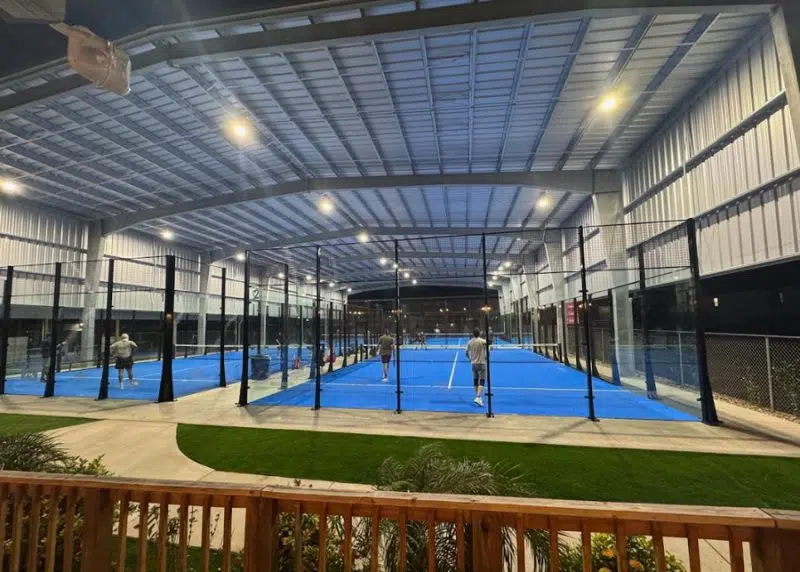 The software places fixtures at specific locations and heights, with orientation and aiming as needed. Photometric plan designers interpret photometric data to ensure optimal lighting for both indoor and outdoor spaces, analyzing how light reaches different areas and defining calculation zones for precise analysis. The lighting plan calculates foot-candle light levels, shows how balanced the light is, and provides a comprehensive, printable PDF report. A photometric lighting plan is not a type of lighting or a design style. It is the study of how light emanates from a fixture into the environment. Our designers translate the technical details into clear recommendations you can purchase and install with confidence.
What Is Photometric Analysis?
A photometric lighting plan analysis helps you understand how light from the fixture covers the area. Photometric studies generate detailed reports that summarize key data points, such as average foot-candles and the least bright point in the space, providing essential information for evaluating lighting uniformity and effectiveness. This process allows you to visualize the lighting outcome before installation.
What Is a Lighting Layout Calculator?
A lighting layout calculator is another way of saying “Lighting Plan.” Some sites provide basic lighting calculators, which are useful for rough budgetary calculations based on estimated light levels when you provide basic data about the lights you might use. However, a calculator is NOT a replacement for a professional lighting plan. We do not recommend using a lighting layout calculator in place of a photometric plan. Other related terms include LED light spacing calculator and free lighting layout tool. A professional lighting designer ensures the selection of the right fixtures by considering factors like shape, size, and beam angle, which leads to optimal lighting distribution and energy efficiency. 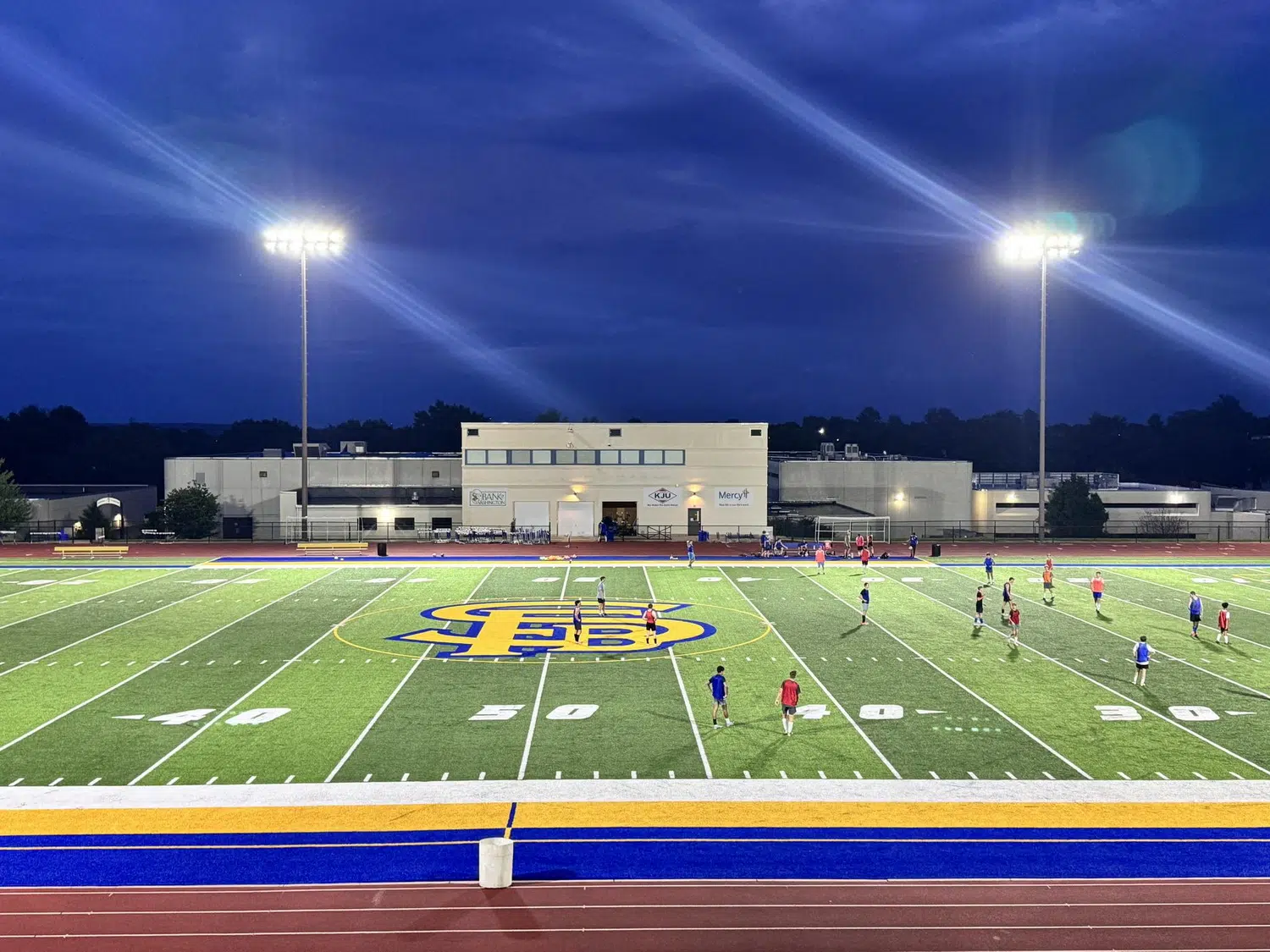
Who Is Eligible for Free Photometric Lighting Plans?
We provide complimentary photometric plans for customers who are evaluating and intend to purchase fixtures from LED Lighting Supply. Plans are built around specific fixture models, optics, lumen packages, mounting heights, and controls. Changing the fixture usually changes the results.
- Plans are not offered for projects using fixtures we do not sell.
- We do not provide plans solely to satisfy third-party bid/spec requirements when fixtures are not being sourced through us.
- If you only need a stand-alone plan with no purchasing intent, we can refer you to independent lighting design services.
When Do I Need a Photometric Plan (and What Will It Tell Me)?
We recommend a photometric plan before you buy fixtures anytime your project involves large spaces, high mounting heights, outdoor areas, uniformity requirements, or concerns about glare and dark spots. Your plan will show predicted average/min/max light levels, uniformity ratios, and a recommended fixture layout and schedule-so you can choose fixture quantity, optics, mounting, and controls with confidence.
How Do You Create a Photometric Plan?
We create lighting plans using specialized lighting design software such as AGI32 by Lighting Analysts. This software allows us to model spaces, add lights, and calculate the light levels and balance across the plan. Fixtures can be added, removed, or swapped within the plan until the correct light levels and uniformity are achieved.
How Can I Get a Photometric Lighting Plan?
There are many consultants who can provide a lighting plan for a fee. Our lighting specialists conduct a photometric study to ensure the best results, analyzing your site and lighting needs to create an optimal design. When using our fixtures, we can create a commercial, sports, or industrial lighting design plan for your project.
How Much Does a Photometric Plan Cost?
The cost depends on who develops the plan. Specialized lighting design companies may charge between $500 and $2000. Some competitors charge for the plan and then credit the cost back upon purchase. Our deliverables include a detailed photometric study report and a summary of the analysis.  The photometric study report is a comprehensive document, typically 5 to 20 pages, containing graphs, charts, and analysis that follow IES guidelines. The report summarizes lighting analysis results, including light levels, uniformity, and compliance with standards, helping verify lighting design effectiveness and guide luminaire selection. We provide plans for free, with a few exceptions. We do not provide plans to individuals and companies only looking to have a plan done with no intention of purchasing. Our services are intended for customers who plan to purchase and want to ensure our lights will meet their needs. We do not provide plans for lights that we do not sell, or for engineers and architects who only need a plan to satisfy requirements for their customers.
How Do You Calculate Lumens for a Photometric Site Plan?
1 lumen per square foot is the same as 1 foot-candle. When you read a lighting plan and see the average foot-candles is, for example, 40, that is the same as saying 40 lumens per square foot.
How Many Lights Do I Need for My Project?
The number of lights required depends on your space dimensions, mounting height, target foot-candle level, and fixture selection. A photometric plan calculates the optimal quantity and placement of fixtures to achieve your desired light levels and uniformity. Providing accurate dimensions and project goals will help ensure the plan is tailored to your needs.
What Foot-Candle Levels Are Recommended?
Recommended foot-candle levels vary by application. For example, warehouses and industrial areas often target 20 to 50 foot-candles, while sports facilities and retail spaces may require higher levels. Your photometric plan can be designed to meet the recommended light levels for your specific use case.
What Mounting Height Should I Use?
Mounting height affects light distribution, coverage, and uniformity. Higher mounting heights require fixtures with higher lumen output or different optics to maintain adequate light levels. Your lighting plan will recommend mounting heights based on your space and application to ensure optimal performance.
How Far Apart Should Fixtures Be Spaced?
Fixture spacing depends on the fixture type, mounting height, beam angle, and target light levels. Proper spacing is critical to avoid dark spots and ensure even coverage. The photometric plan will specify recommended fixture spacing for your project based on these factors.
What Factors Affect Lighting Layout?
Key factors include space dimensions, ceiling or pole height, surface reflectance, obstructions, fixture type, beam angle, and project goals (such as brightness and uniformity). Accurate information about your site allows the lighting designer to create an effective and efficient layout.
What Type of Fixtures Are Best for My Application?
The best fixture type depends on your application, mounting height, and desired light distribution. For example, high bay fixtures are common in warehouses, while area lights are used for parking lots. Your photometric plan will recommend fixtures that match your requirements for performance, efficiency, and budget.
How Do I Reduce Shadows or Dark Spots?
Reducing shadows and dark spots requires careful fixture placement, appropriate optics, and correct mounting height. A photometric plan models these variables to ensure uniform light distribution and minimize areas of insufficient illumination.
Do I Need a Custom Lighting Plan?
If your project involves unique layouts, high ceilings, outdoor areas, or specific lighting requirements, a custom photometric plan is highly recommended. It ensures your investment delivers the expected results and helps avoid costly mistakes or rework.