Guide to LED Lighting Rebates by State
As the world’s population grows and lighting technology advances, so does the need for an efficient power supply. This constant strain on resources has power companies turning to their customers for help and, in some cases, offering incentives for choosing energy-efficient light fixtures. As one of the largest power draws across many industries, lighting is often a prime candidate for energy-efficiency incentives. LEDs are generally more energy efficient than many incandescent, fluorescent, high-pressure sodium, and metal halide lighting systems. Although LEDs were once extremely expensive compared to their counterparts, they are relatively affordable today.
Many utility and energy-efficiency programs offer rebates or incentives for qualifying LED lighting upgrades. Rebates can help offset the cost of purchasing and installing LED lights and may be calculated per fixture, per watt reduced, per kilowatt-hour saved, or through a project-specific analysis. For large commercial or industrial facilities, available incentives can be substantial. Reducing the initial cost of an upgrade can improve project economics while helping facility owners reduce energy use and maintenance needs. Important: Utility rebate programs change frequently and may be modified or discontinued without notice. While we do our diligence to keep this page up-to-date, it is provided for general informational purposes only and does not guarantee rebate eligibility. Always confirm current requirements directly with your local utility provider or program administrator before making purchasing decisions.
The Process of Rebates
In simple terms, a rebate is an incentive paid or credited after a qualifying purchase, installation, or project review. Some programs instead apply an incentive as an instant discount at the point of sale. Lighting rebates are available in many parts of the United States, although program requirements, funding, eligible products, and incentive amounts vary by utility, location, customer class, and project type. To help determine whether a lighting project may qualify, consider the following factors:
- Rebate-Eligible Products: Programs may require qualifying wattages, lumen output, controls, product categories, efficacy thresholds, or other specifications. Many commercial lighting programs reference the DesignLights Consortium (DLC) Qualified Products List, but requirements vary by program. DLC qualification is an efficiency and performance designation; it is not an electrical-safety certification. Verify the exact fixture’s safety listing, warranty, DLC status where required, and all utility program requirements. Warranty terms vary by manufacturer and model.
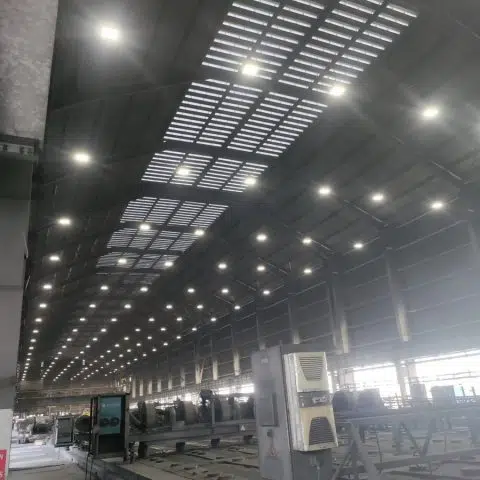
- Energy-Saving Lighting Technology: The project generally must demonstrate reduced energy use compared with an existing baseline or program-defined baseline. Replacing high-intensity discharge (HID) luminaires, such as pole-mounted area lights, high bays, and wall-mounted fixtures, can often produce significant energy savings, but actual savings depend on wattage, operating hours, controls, and the selected luminaires.
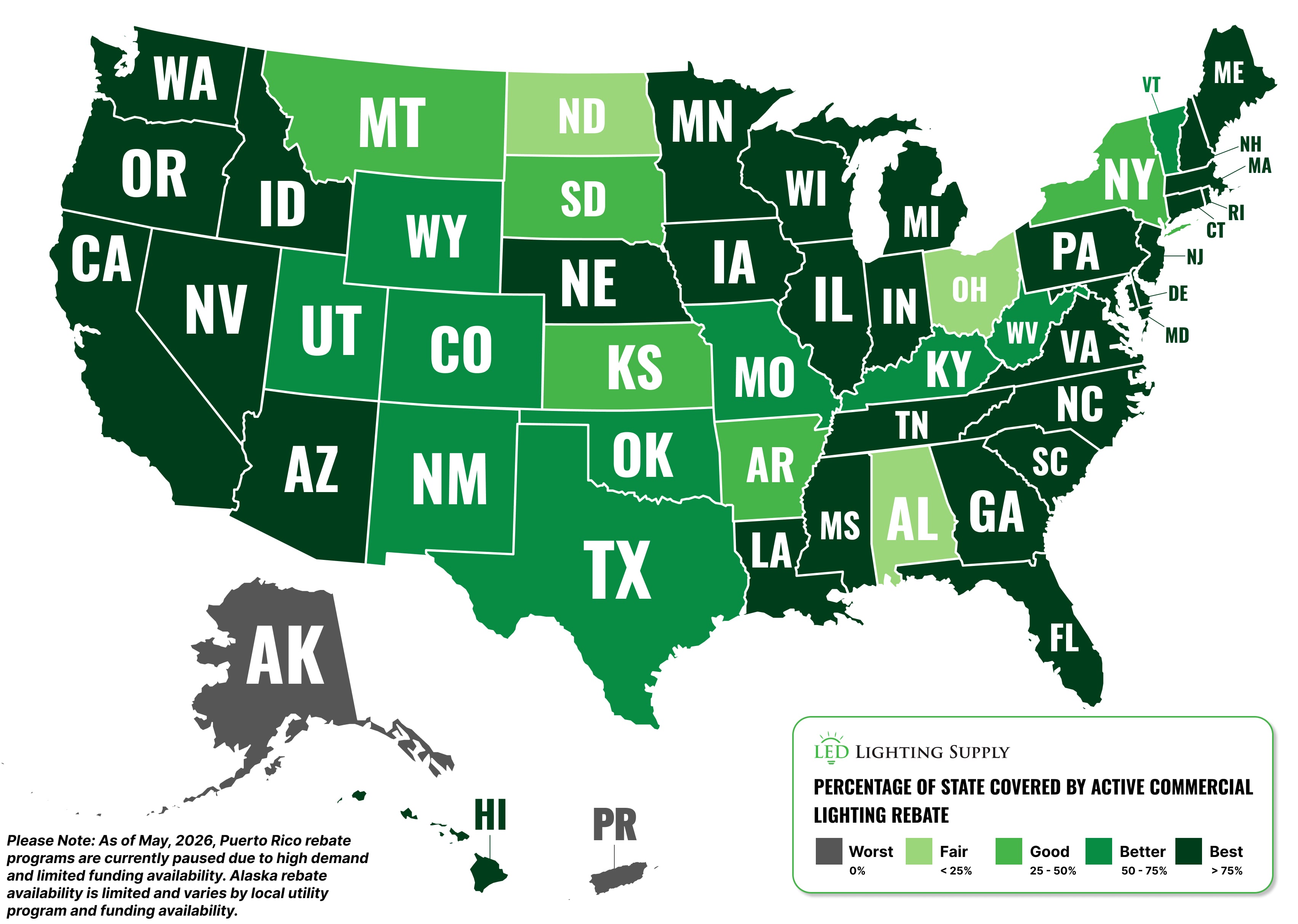
- Location-Based Rebate Information: Your utility provider, facility location, customer rate class, and project details determine which rebates may be available. See more information about rebates by state below.
- Pre-Approval and Inspections: Some programs require pre-approval before equipment is ordered or installed. Others may require invoices, product documentation, photographs, on-site or virtual inspections, or post-installation verification. Confirm the program process before starting the project.
Types of Rebates
There are several types of rebates, and the type available depends on the utility or program administrator. Here are common LED incentive structures in the United States.
- Point of Sale (POS) – An eligible incentive is applied automatically or as an instant discount when qualifying products are purchased through a participating channel. This can reduce the upfront project cost and limit post-purchase paperwork.
- Prescriptive – A utility offers a predefined incentive for a qualifying product type, wattage range, control, or measure. Payment timing varies by program and may occur after application approval and installation verification.
Prescriptive incentives may use fixed dollar amounts per fixture or may be based on watts reduced. Examples can include:
- $50 per qualifying high bay
- $0.15 per watt reduced
- $25 per qualifying tube replacement
Program structures change over time. Some programs use flat per-product incentives, while others base incentives on watts reduced, estimated kilowatt-hour savings, demand reduction, controls, or project-specific calculations.
- Custom – A custom incentive is typically evaluated using project-specific energy savings and may be appropriate for larger, unusual, or non-standard projects. These projects often require more detailed documentation, utility review, and pre-approval.
Custom incentive amounts vary significantly by utility, measure, project economics, and available program funding. Confirm the available incentive and required documentation before proceeding.
| Rebate Type | How It Works | Key Benefits |
| Point of Sale (POS) | The incentive is applied as an instant discount when eligible products are purchased through a participating program or supplier. | Can reduce upfront cost and minimize post-purchase processing. |
| Prescriptive | A rebate is provided for qualifying equipment that meets predefined utility program requirements. | Uses established requirements and incentive amounts for common measures. |
| Custom | The utility or program administrator evaluates a project-specific incentive proposal using projected energy savings and other program criteria. | Can support large, complex, or unique projects that do not fit prescriptive measures. |
Combining Rebates With Tax Deduction
The 179D Energy Efficient Commercial Buildings Deduction was introduced as part of the Energy Policy Act (EPAct) of 2005 to encourage energy reductions in qualifying commercial buildings. Section 179D is a federal tax deduction for qualifying energy-efficient commercial building property and is subject to specific requirements, including applicable energy-reduction calculations and rules for the building and taxpayer. For property placed in service after December 31, 2022, the deduction may also be affected by prevailing wage and apprenticeship requirements. Section 179D does not have a general June 30, 2026, construction-start deadline.
Utility rebates and the federal 179D deduction may both be relevant to an energy-efficiency project, but their interaction can affect tax basis, eligible costs, and deduction calculations. Consult a qualified tax professional and the current IRS guidance before claiming a deduction.
Lighting Rebate Coverage by State
Saving Money & Earning Rebates with LEDs
How to Determine Energy Savings for a Replacement
One of the primary benefits of switching to LED lighting is the potential for lower energy use and operating cost. Calculating projected energy savings requires accurate information about the existing system, replacement system, operating schedule, and local electricity rates. Consider the following:
- Original fixture or lamp wattage
- Replacement fixture or lamp input wattage
- Number of fixtures or lamps replaced
- Utility electricity rate and applicable demand charges
- Daily “on” hours
- Annual “on” days
- Controls, occupancy patterns, and expected operating changes
- The initial expense of the upgrade
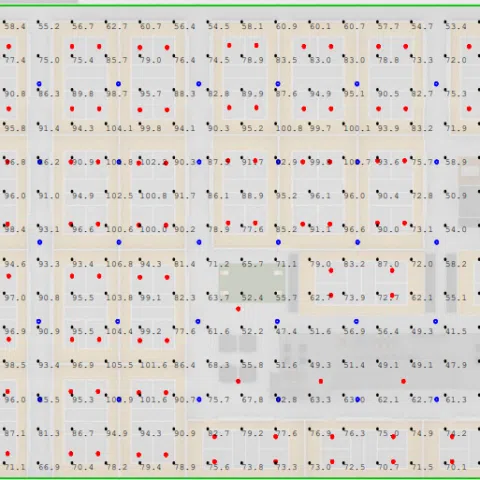
Wattage and operating hours are used to estimate energy consumption. Lumens describe light output, while foot-candles or lux describe the light delivered to a work surface. A fixture-specific photometric plan using actual IES files can help confirm that the replacement lighting provides appropriate illumination and distribution for the application.
Other Frequently Asked Questions:
What is an LED Lighting Rebate?
An LED lighting rebate is a utility or energy-efficiency incentive that helps reduce the cost of upgrading to LED lighting systems. Unlike an instant discount, a rebate is commonly paid or credited after an application, purchase, installation, or verification process, although program structures vary. Rebates have specific requirements and apply only to qualifying products and projects. Utilities and program administrators use these incentives to encourage reductions in energy use and, in some cases, peak demand.
How Long Does it Take to Receive a Rebate?
Lighting rebate timelines vary widely depending on the program, required documentation, inspections, funding, and the utility company’s application processing. Some point-of-sale incentives are applied immediately. Post-installation prescriptive rebates may take several weeks after a complete application is submitted, while custom projects can take longer because they may require pre-approval, inspections, and energy-savings analysis. Confirm the expected timeline with the program administrator.
What Results in a Delayed Timeline?
The documentation and approval process involves important paperwork that must be completed correctly and on time. Missing invoices, product specification sheets, DLC qualification documentation when required, proof of installation, pre-approval records, or inspection information can delay payment. Submit all required documents according to the program’s current rules.
Do Rebates Apply to Retrofit Kits or Only New Fixtures?
Many utility programs cover both LED retrofit kits and complete fixture replacements, provided the products and installation meet program requirements. Eligibility may depend on the fixture type, wattage reduction, safety listing, DLC qualification where required, controls, and other program-specific criteria. Verify requirements before ordering equipment.
Are Sports Lighting and HVLS (High Volume, Low Speed) Fans Eligible?
Some utility programs offer incentives for qualifying commercial, industrial, and sports-lighting projects, but eligibility varies by program and may depend on product specifications, controls, wattage reduction, and photometric documentation. DLC qualification may be required for certain lighting categories, but it does not guarantee rebate eligibility.
Some programs also offer incentives for HVLS fans or other destratification measures. HVLS fans circulate and mix air and may help reduce heating or cooling energy use in suitable applications, but savings and eligibility depend on the building, HVAC system, operating conditions, controls, and utility program. Confirm available measures and calculation requirements with the program administrator.
What is the Difference Between Prescriptive and Custom Rebates?
Prescriptive rebates provide predefined incentive amounts for qualifying fixture types or measures and are generally more straightforward to process. Custom rebates are calculated using project-specific details and estimated energy savings. Custom projects commonly require more documentation, pre-approval, and review time.
Do I Need a Contractor to File for a Rebate?
Contractors are not always required to file for a rebate. Building owners can often submit rebate applications themselves, although contractors, distributors, and lighting suppliers may help assemble product documentation or manage paperwork. Once you’ve gathered project information, you can use this energy savings calculator to estimate potential energy savings. Calculator results are approximations; actual energy use, utility costs, incentive amounts, and lighting performance may differ based on equipment, operating conditions, rates, controls, and program rules.
Resources for Lighting Rebate Information
The Database for State Incentives for Renewables and Efficiency (DSIRE) is maintained by the North Carolina Clean Energy Technology Center and provides information about incentives and policies by location. Rebate availability shifts frequently based on utility providers, program funding cycles, and energy-efficiency updates, so confirm any opportunity directly with the applicable utility or program administrator.
Contacting Your Utility Company
For guidance on local lighting rebates, one of the best places to start is the local utility company or regional energy-efficiency program provider. As an example, Massachusetts provides information about energy assessments and audits through Massachusetts energy assessments and audits, while utility-sponsored efficiency programs may be available through providers such as Eversource and National Grid. Available programs depend on the utility territory and customer account. LED Lighting Supply can help identify products that may match established program requirements, review published fixture specifications, and assist with application information, but the utility or program administrator determines rebate eligibility and approval.