Aircraft Hangar LED Lighting
- High-output UFO and linear high bay options for hangars
- Photometric plans available to evaluate layout and coverage
- USA-based support for fixture selection and specifications
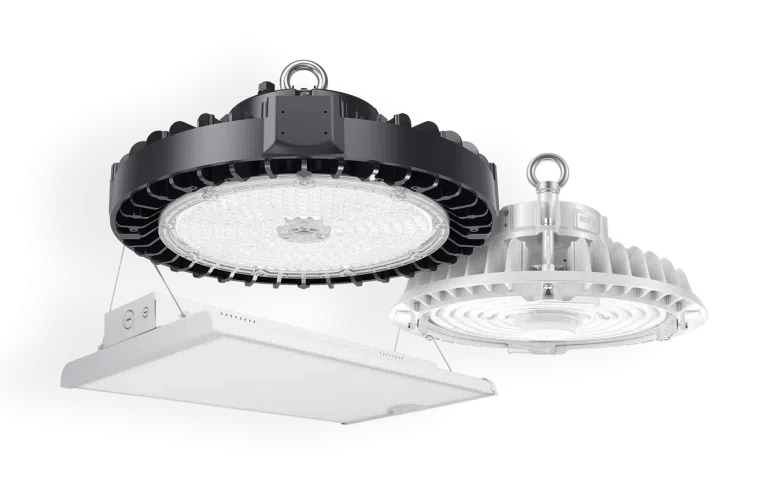


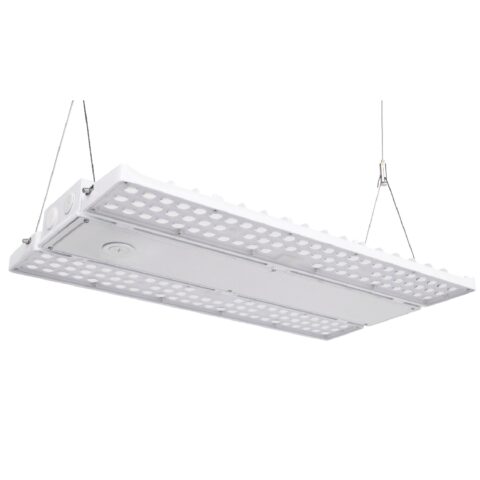
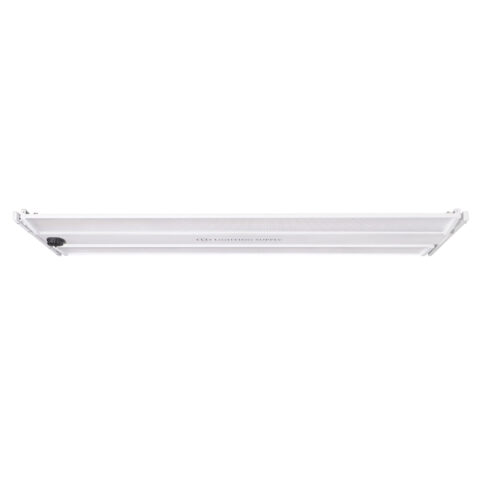
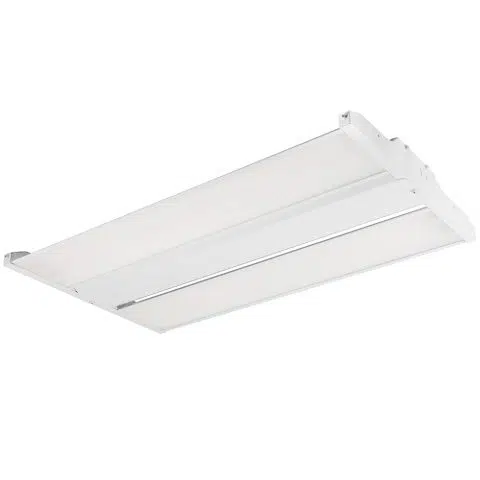
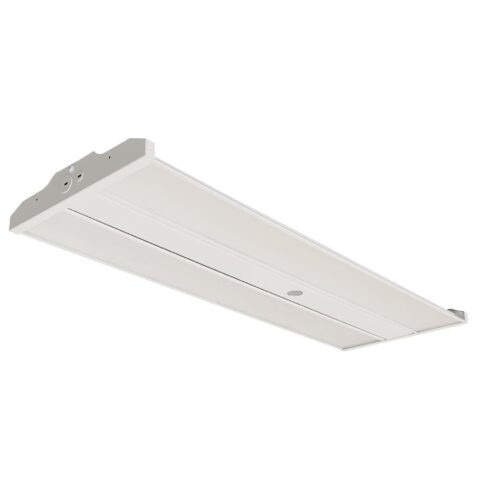
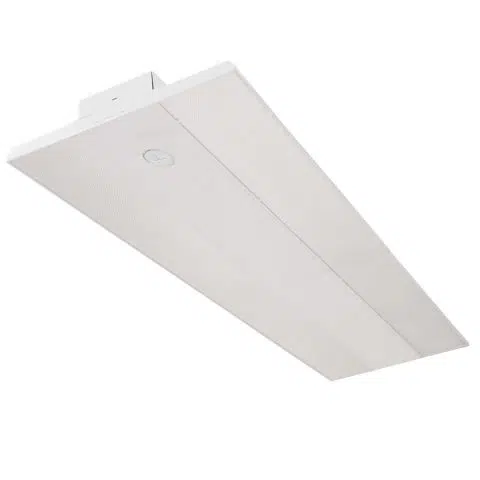
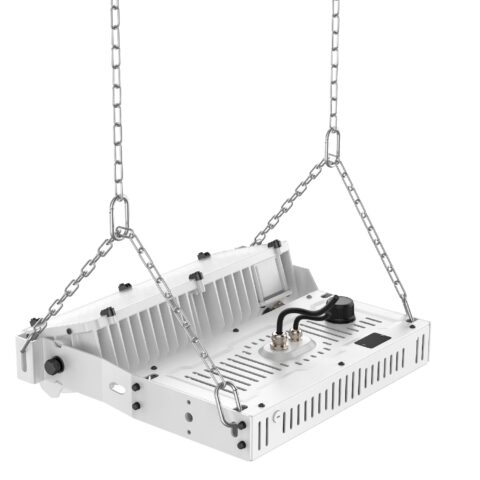
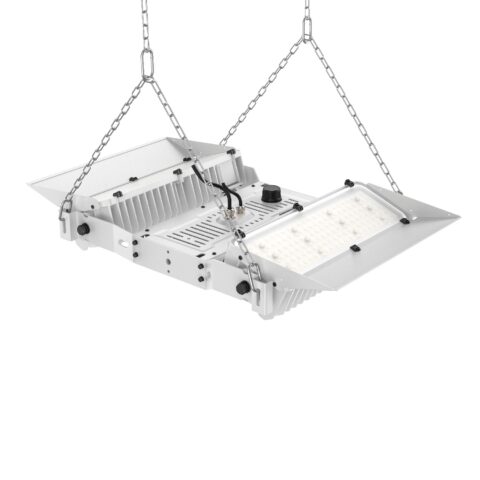
Our LED Hangar Lights include high-output UFO and linear LED high bay fixtures for aircraft hangars and aviation work areas. Available models vary by lumen output, beam angle, voltage, controls, and mounting hardware, with options for metal halide, HID, fluorescent, and T5 replacement projects.
These fixtures are commonly used in aircraft storage hangars, maintenance bays, MRO facilities, inspection zones, assembly areas, under-wing work areas, engine work zones, and hangar door or apron transition areas.







Understanding LED Aircraft Hangar Lighting Solutions
Aircraft hangars require high-output lighting designed for large open spaces, high ceilings, aircraft clearance, maintenance tasks, inspection work, and safe movement around aircraft. The right LED aircraft hangar lighting system should provide enough light at the floor and work plane while controlling glare, shadows, dark spots, and fixture placement around wings, tails, doors, lifts, and maintenance equipment.
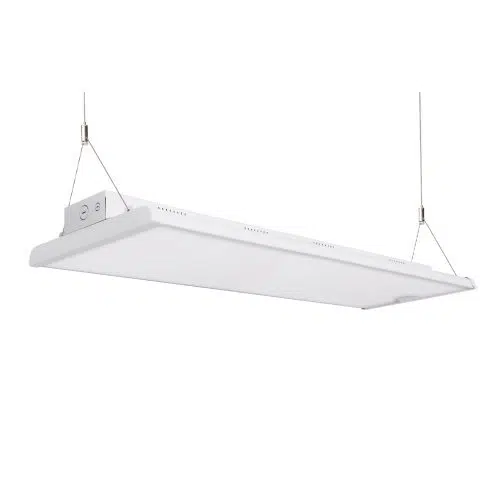
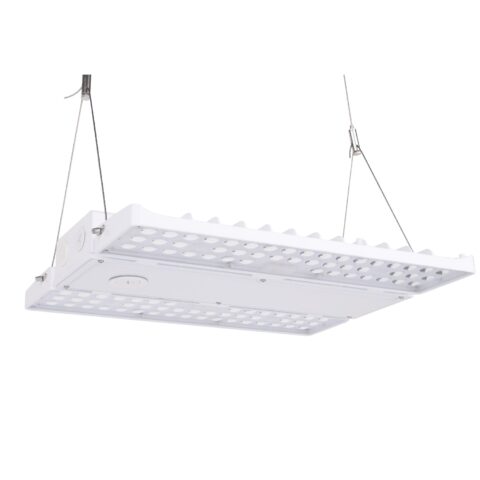
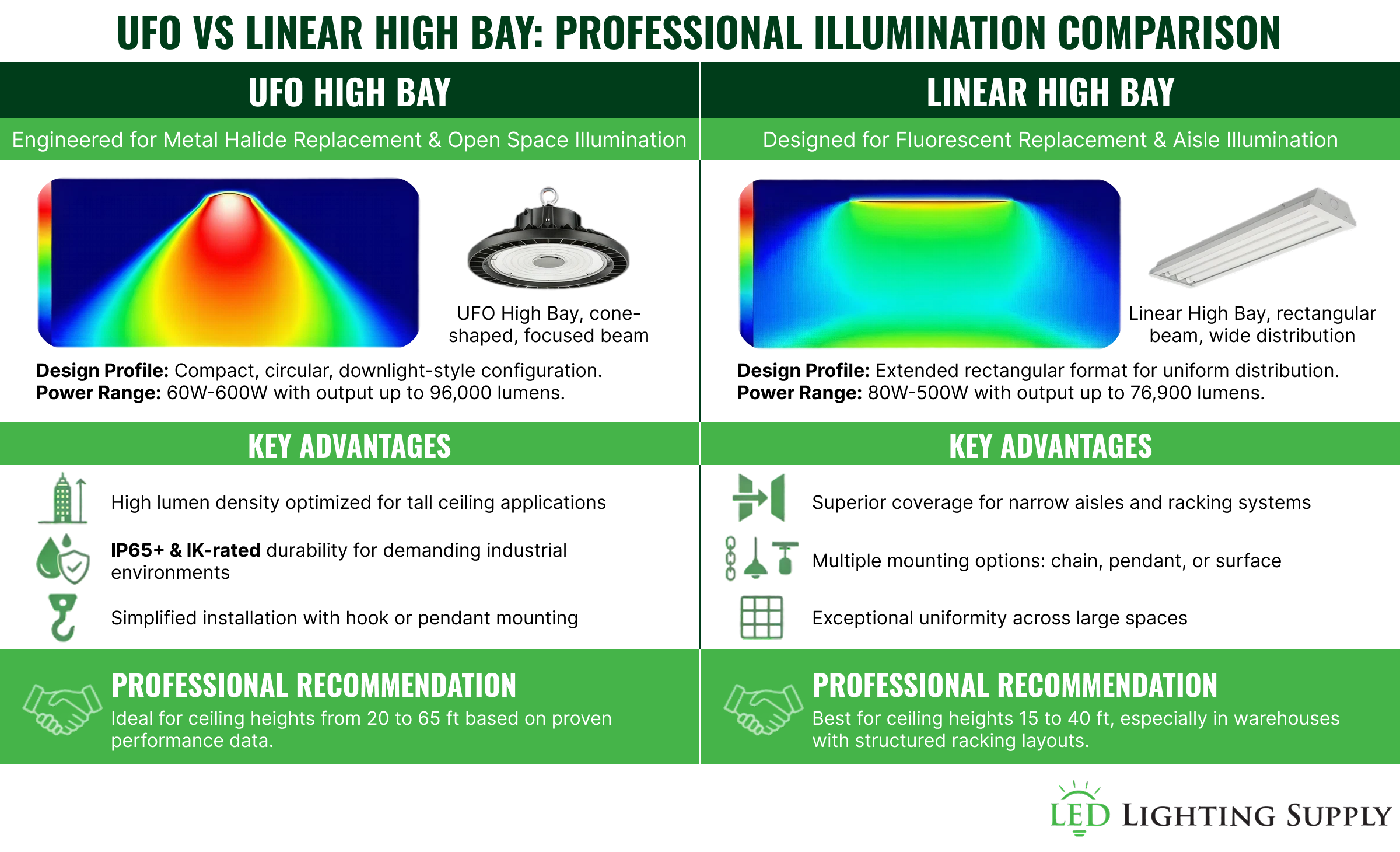
Most hangar projects use LED high bay lights, including UFO high bays and linear high bays. UFO high bays are often used for high-ceiling metal halide replacement projects, while linear high bays can provide wide, even distribution for some lower or mid-height hangars. Final fixture selection depends on ceiling height, mounting location, beam angle, lumen output, voltage, controls, aircraft clearance, and required foot-candle levels.
Start by defining the hangar activity and required light levels. Then match fixture type, lumen output, optics, spacing, and mounting locations to ceiling height and aircraft-clearance requirements. Storage hangars, routine maintenance bays, MRO facilities, inspection zones, assembly areas, and door or apron transition areas can require different light levels and fixture layouts. A photometric plan is recommended before ordering fixtures for most aircraft hangars.

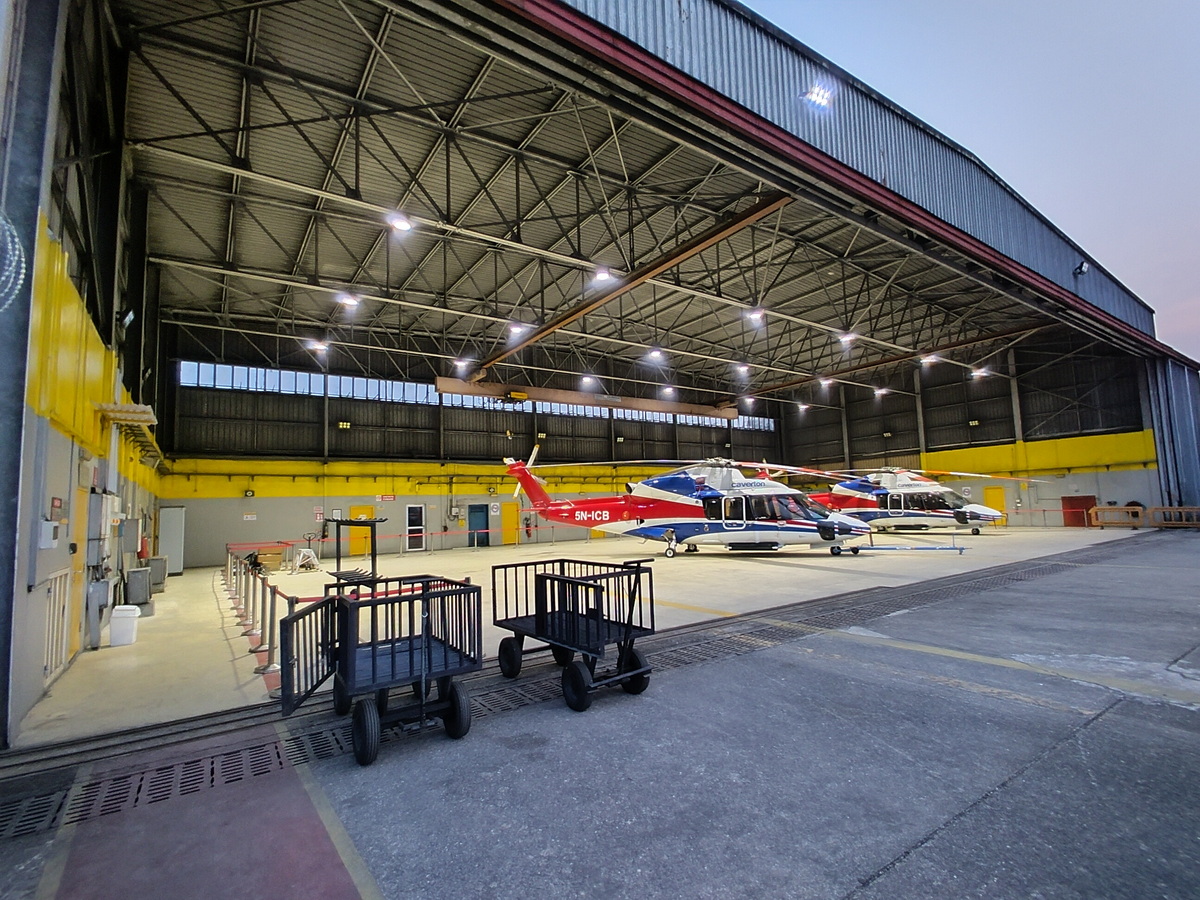
This hangar was illuminated using adjustable LED UFO high bay fixtures selected through a lighting plan.
Selection and Installation Note: Product specifications, lumen output, wattage, beam angle, optic package, voltage, controls, mounting hardware, IP rating, impact rating, certifications, and warranty coverage vary by model. Confirm the selected product specification before ordering. For code-sensitive, electrical, aviation, fire-protection, emergency, hazardous-location, or safety-critical applications, verify requirements with your local inspector or a licensed electrical professional.
Many aircraft hangar lighting projects replace metal halide, HID, fluorescent, or T5 fixtures. LED high bays can reduce maintenance, provide instant full output, and improve lighting consistency compared with older systems, depending on the existing fixture type, selected LED model, operating hours, and controls strategy. For T5 replacement projects, review T5 high bay LED replacement lights.
When LED Aircraft Hangar Lighting Is the Right Fit
LED aircraft hangar lighting is a strong fit when high ceilings, wide open floor areas, aircraft maintenance tasks, inspection visibility, and reduced maintenance are priorities. It should be planned carefully when aircraft clearance, hazardous-location requirements, extreme temperatures, controls, or task-specific lighting levels need to be confirmed.
| Use LED Aircraft Hangar Lighting When | Do Not Select Standard Hangar Fixtures Without Review When |
|---|---|
| Ceiling heights are substantial and the space needs high-output illumination across a large open area. | The ceiling height is low and standard high bays may create glare, overlighting, or poor visual comfort. |
| Aircraft storage, maintenance, MRO, inspection, or assembly work requires reliable visibility at the floor and work plane. | The hangar may have hazardous-location requirements and Class, Division, Zone, fuel vapor, dust, or chemical exposure has not been reviewed. |
| Replacing metal halide, HID, fluorescent, or T5 fixtures where warm-up time, lamp replacement, or ballast maintenance is a problem. | Aircraft clearance is not confirmed, including wing span, tail height, door movement, lifts, platforms, and maintenance equipment. |
| Instant full brightness is needed for safety, maintenance work, emergency response, or shift changes. | Temperature, moisture, impact, dust, or vibration exposure exceeds the selected fixture’s listed ratings. |
| Controls are useful, such as occupancy sensors, dimming, zoning, scheduling, or reduced-output modes during storage periods. | Fixture layout has not been modeled, especially in hangars with large aircraft, uneven mounting points, or inspection tasks. |
Recommended Foot-Candles for LED Aircraft Hangar Lighting
Aircraft hangar light levels vary by activity. A storage hangar may need lower light levels than a detailed maintenance bay, inspection area, MRO service bay, final assembly zone, or riveting and fastening area. Use the tool below for application-specific starting foot-candle ranges.
Foot-candle guidance helps estimate brightness needs, but it does not determine fixture count, spacing, uniformity, glare control, aircraft clearance, emergency lighting, hazardous-location requirements, or final compliance. For aircraft hangars, request a photometric plan before ordering.
Step 1: Find your foot candle levels
Step 2: Estimate your fixture count and space
LED High Bay Lighting Layout Estimator
Use this estimator to calculate approximate fixture count, spacing, and average foot-candles for warehouses, shops, gyms, industrial spaces, and commercial interiors using LED high bay fixtures. Enter your room dimensions, mounting height, target foot-candles, light loss factor, and room/layout condition to generate a preliminary lighting layout. When IES photometry is available, workplane height and room reflectance controls are shown.
Project Inputs
Estimated Results
Estimated average foot-candles are preliminary and should be verified with a lighting plan for project-critical applications.
Room / Layout Condition: This field is used only when usable IES photometry is not available. In fallback mode, it acts as a simplified room utilization factor for reflectance, fixture distribution, racking, obstructions, and how much fixture light reaches the work area. Open / light-colored spaces use 0.90, typical warehouses or shops use 0.75, racked or obstructed spaces use 0.60, and dark or complex spaces use 0.45. When IES photometry is active, this field is hidden and the estimator uses the selected workplane height, LLF, and simplified reflectance adjustment instead.
Photometry / Simulation Note: When usable IES photometry is available for the selected fixture, this estimator uses the fixture’s IES candela data, selected workplane height, light loss factor, and simplified reflectance adjustment to estimate fixture count, average foot-candles, and visual light distribution. The reflectance adjustment is a conservative approximation and is not a full zonal-cavity, radiosity, or professional photometric room calculation. When IES photometry is not available, the estimator uses a simulated beam model based on lumens, mounting height, room/layout condition, light loss factor, and beam angle.
Preliminary Estimate Only: This estimator is intended for simple square or rectangular spaces and should be used as a planning aid, not a final photometric lighting plan. Actual light levels may vary based on fixture optics, selected IES file, mounting conditions, workplane height, ceiling height, surface reflectance, obstructions, controls, voltage, installation conditions, and site-specific requirements. Project-critical applications should be verified with a formal lighting plan.
This estimate is a starting point. Warehouses, industrial facilities, hazardous locations, sports areas, schools, healthcare spaces, public areas, and code-sensitive projects may require a reviewed lighting layout before purchase or installation.

Choosing LED Hangar Lights by Ceiling Height, Beam Angle, Clearance, Voltage, and Controls
Aircraft hangar lighting should be planned around the hangar’s dimensions, aircraft type, work activity, required light levels, ceiling height, and mounting locations. UFO high bays, linear high bays, task lighting, and support-area fixtures may all be part of the final design.
For high ceilings, beam angle and optic selection are critical. Narrow optics can concentrate light but may create dark areas if fixtures are spaced incorrectly. Wider optics can help with uniformity, but they must be matched to mounting height and fixture spacing. A photometric plan helps confirm fixture count, layout, foot-candle levels, and uniformity before installation.
Planning Checklist
| Planning Factor | What to Confirm |
|---|---|
| Ceiling height | Confirm mounting height across the hangar. Higher ceilings usually require higher lumen output and careful optic selection. |
| Aircraft clearance | Confirm wing span, tail height, aircraft movement paths, door travel, lift equipment, and maintenance platform locations. |
| Fixture type | UFO high bays often work well for high-ceiling HID replacement. Linear high bays may work well where wider distribution or fluorescent replacement is needed. |
| Beam angle and optics | Confirm whether the project needs narrow, medium, or wider optics based on mounting height, spacing, and required uniformity. |
| Foot-candle target | Storage, routine maintenance, detailed work, inspection, assembly, and MRO areas require different light levels. |
| Uniformity | Confirm light levels across aircraft surfaces, work zones, floor areas, and circulation routes to reduce dark spots and high-contrast areas. |
| Task lighting | Detailed inspection, riveting, fastening, assembly, and maintenance may require supplemental task lighting in addition to overhead fixtures. |
| Glare control | Confirm fixture placement and optics to reduce glare for mechanics, pilots, inspectors, and maintenance personnel. |
| Voltage | Confirm site voltage, driver input range, existing wiring, controls, and electrical requirements before ordering fixtures. For applicable electrical systems, review available 480-volt LED high bay lights and verify each model’s input range. |
| Controls | Confirm whether the project needs dimming, high bay motion sensors, daylight zones, schedules, or separate controls for storage, maintenance, and door areas. |
| Sensor placement | Confirm sensor type and placement so hangar doors, aircraft movement, dust, or airflow do not create nuisance switching. |
| Environment | Confirm operating temperature, moisture, dust, vibration, impact risk, and whether hazardous-location or special ratings are required. |
| Rebate eligibility | Confirm DLC or DLC Premium status and utility rebate requirements before installation when rebates are part of the project budget. |
Best LED Fixture Types for Aircraft Hangars
Most hangars use high bay fixtures, but the right fixture type depends on ceiling height, aircraft clearance, maintenance tasks, beam angle, and whether the space is used for storage, MRO, inspection, assembly, or support work.
| Fixture Type | Best Used For |
|---|---|
| LED UFO High Bays | High-ceiling hangars, metal halide replacement, open floor areas, and applications needing high lumen output from compact fixtures. |
| LED Linear High Bays | Hangars with lower or mid-height ceilings, fluorescent or T5 replacement, wide distribution needs, and long rectangular work zones. |
| High-Output LED High Bays | Large hangars, MRO facilities, high ceilings, and spaces needing stronger light levels for maintenance or inspection tasks. |
| Task Lighting | Inspection, assembly, riveting, fastening, under-wing work, engine work, and other detailed tasks where overhead lighting alone is not enough. |
| LED Flood or Area Lights | Hangar door zones, apron transition areas, exterior-adjacent work zones, and areas where directional coverage is needed. Review LED flood lights for applicable directional lighting needs. |
| Low Bay, Strip, or Panel Fixtures | Parts rooms, tooling rooms, offices, storage areas, and lower-ceiling support spaces attached to the hangar. |
Aircraft Hangar Lighting Project Examples
Aircraft hangar projects vary by ceiling height, aircraft size, mounting layout, maintenance tasks, and light level requirements. These examples show how high-output LED fixtures can be used to improve visibility in large aviation spaces.

High-output LED UFO high bays can provide even, balanced lighting throughout large aircraft hangars when fixture layout and optics are planned correctly.
Case Study: Replacement of 1500 Watt Metal Halide Lighting with 480 Watt LED UFO High Bays in Lagos, Nigeria
| After: 480 Watt LED UFO High Bay Light | 76800 Lumens |
 |
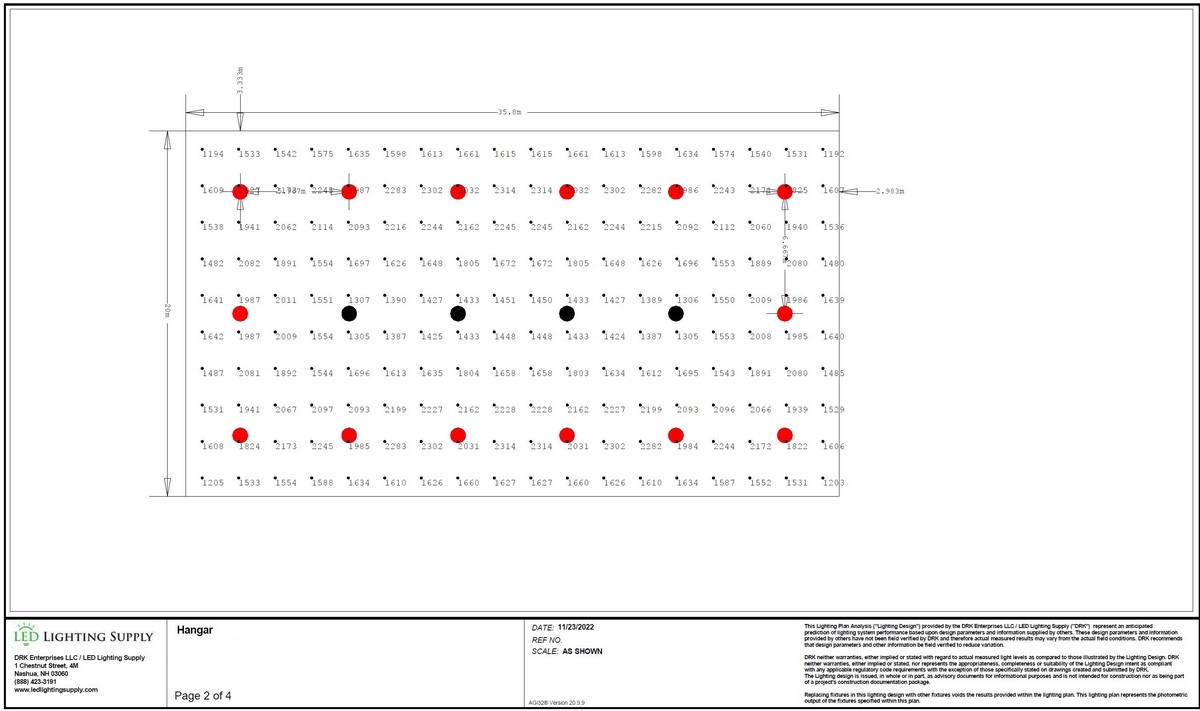
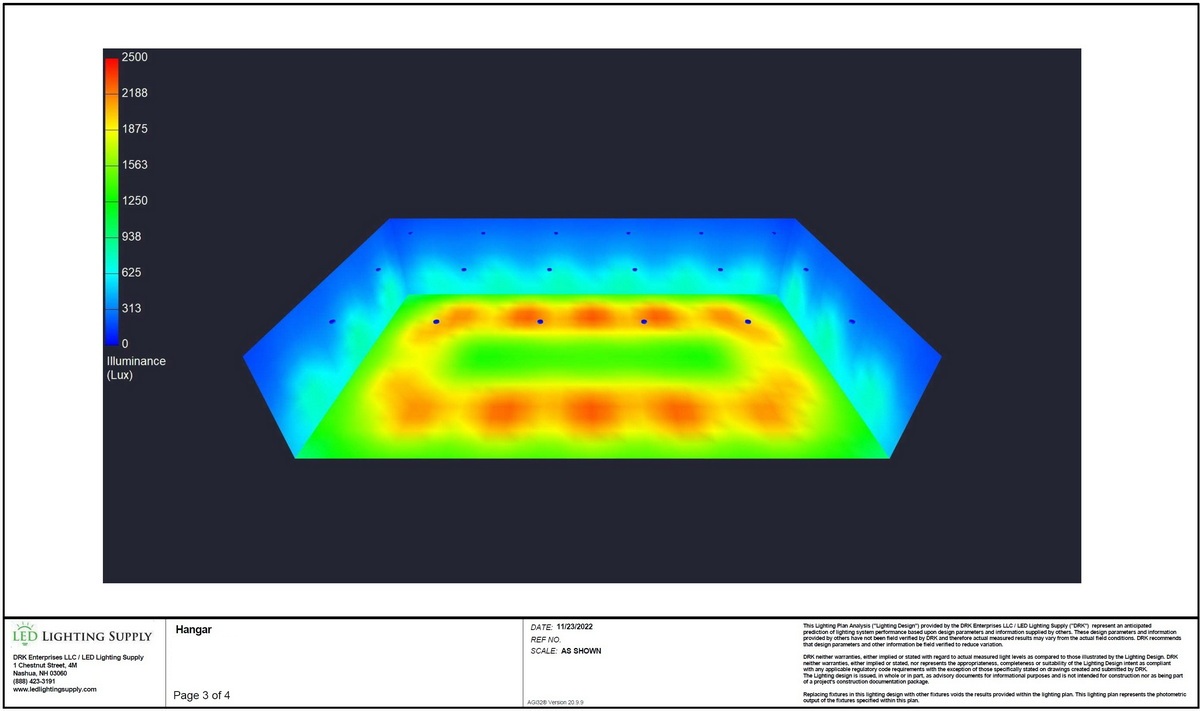
Lighting Plan We Created for the Customer
|
Lighting Plan |
Heat Map |
 |
 |
Aircraft Hangar Lighting Installation Plan Metrics
- Mounting height: 35 ft ft
- Fixtures Used: MLLG-LED-HB5-480-5-60: 480 Watt LED UFO High Bay | 76800 Lumens | 5000K | 100-277V
- FC achieved: 167 FC average
- Uniformity (Avg/Min): 1.51
Aircraft Hangar Certifications, Rebates, and Warranty Support
Selected LED aircraft hangar lights from LED Lighting Supply carry a safety certification or listing such as UL, ETL, or CSA, depending on the product. Many models are DLC or DLC Premium listed for utility rebate support where available. DLC qualification is an efficiency and performance designation, not an electrical safety certification. Rebate requirements vary by utility, region, and product listing, so confirm eligibility on the selected product specification before ordering.
Warranty coverage varies by product, with many LED aircraft hangar lights offering a 5-year warranty unless otherwise specified. USA-based warranty support is available. Before purchase, confirm certifications, DLC status, voltage, mounting hardware, aircraft clearance, emergency high bay lighting needs, fire-protection requirements, hazardous-location requirements, controls compatibility, operating temperature, moisture exposure, impact risk, and whether the fixture is right for the hangar layout and surrounding conditions.
Request an aircraft hangar lighting plan and our Product Specialists can help review ceiling height, fixture spacing, aircraft clearance, beam angle, voltage, controls, foot-candle targets, inspection needs, and product specifications for your hangar lighting project.
This Content on Aircraft hangar lighting guidance, fixture selection, mounting height, lumen output, high bay and low bay applications, glare control, foot-candle levels, uniformity, electrical considerations, and photometric planning Was Professionally Reviewed By:

Jamie Popp, Professional Electrical Engineer (PE)
Multi-State Licensed Professional Engineer
Master of Science in Engineering
Master of Science in Project Management
Jamie has spent over 15 years working directly with industrial energy systems and facility operations. In his engineering design work, he focuses on comprehensive lighting designs, complex power distribution engineering, technical hazardous area classifications, and design-level construction support.
He applies these specialized design skills across demanding environments, including petrochemical, nuclear, mining, pulp and paper, and manufacturing facilities.
This content was reviewed for technical accuracy, engineering relevance, real-world application, and clarity for the stated lighting topic.
Aircraft Hangar LED Lighting FAQs
How Do I Choose Between UFO And Linear High Bays For An Aircraft Hangar?
UFO high bays are often used for high-ceiling metal halide replacement projects, while linear high bays can provide wide, even distribution for some lower or mid-height hangars. Final selection depends on ceiling height, mounting location, beam angle, lumen output, voltage, controls, aircraft clearance, and required foot-candle levels.
Why Is A Photometric Plan Recommended For Aircraft Hangar Lighting?
A photometric plan helps confirm fixture count, layout, foot-candle levels, uniformity, and glare control before installation. It is recommended before ordering fixtures for most aircraft hangars because lighting needs and layouts can vary by work activity, aircraft clearance, mounting points, and inspection requirements.
What Should Be Confirmed Before Finalizing Aircraft Hangar Fixture Locations?
Confirm wing span, tail height, aircraft movement paths, door travel, lift equipment, and maintenance platform locations before finalizing fixture locations. Fixture placement should also account for glare control, mounting height, beam angle, spacing, and work zones.
Do Aircraft Hangars Need Supplemental Task Lighting?
Detailed inspection, riveting, fastening, assembly, and maintenance may require supplemental task lighting in addition to overhead fixtures. Overhead lighting alone may not be enough for under-wing work, engine work, and other detailed tasks.
How Should Beam Angle And Optics Be Selected For A Hangar?
Beam angle and optics should be selected based on mounting height, fixture spacing, and required uniformity. Narrow optics can concentrate light but may create dark areas if fixtures are spaced incorrectly, while wider optics can help with uniformity when matched to mounting height and spacing.
What Should Buyers Verify About Voltage And Controls Before Ordering?
Buyers should confirm site voltage, driver input range, existing wiring, controls, and electrical requirements before ordering fixtures. They should also confirm whether the project needs dimming, occupancy sensors, daylight zones, schedules, or separate controls for storage, maintenance, and door areas.
Can LED High Bays Replace Older Hangar Lighting Fixtures?
Many aircraft hangar lighting projects replace metal halide, HID, fluorescent, or T5 fixtures with LED high bays. LED high bays can reduce maintenance, provide instant full output, and improve lighting consistency compared with older systems, depending on the existing fixture type, selected LED model, operating hours, and controls strategy.
How Should Utility Rebate Eligibility Be Confirmed For Hangar Lighting?
Confirm DLC or DLC Premium status and utility rebate requirements for the selected product before ordering when rebates are part of the project budget. Rebate requirements vary by utility, region, and product listing, and some programs require pre-approval before installation.