Horse Barn Fans
- HVLS, ceiling, wall, and drum fan options available
- Selection support for stall layouts and airflow goals
- Models with varied environmental ratings for barn conditions


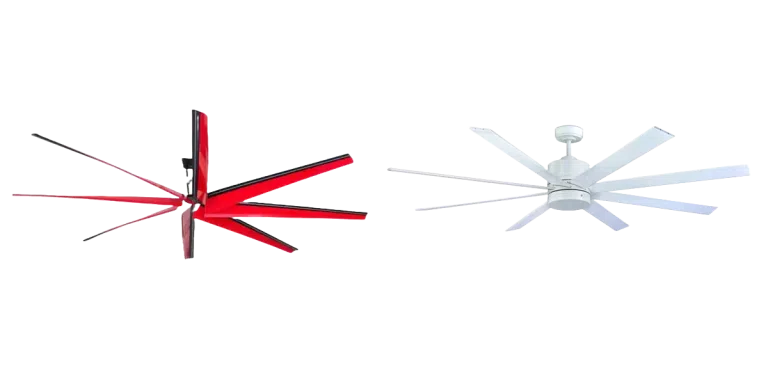

Our Horse Barn Fans include HVLS ceiling fans, commercial ceiling fans, wall-mounted fans, and drum fans for equine facilities. Available options provide broad or directed air movement, with ceiling-mounted models for open barn areas, wall fans for fixed zones, and movable drum fans for changing work areas.
These fans are commonly used in horse stalls, center and cross aisles, grooming areas, wash stalls, tack rooms, feed rooms, storage spaces, equipment areas, and large open barns.
-
 Starting At $4,777.63

-
Starting At $5,085.97
-
Starting At $6,831.67
-
Starting At $7,165.00
-
Starting At $7,498.33


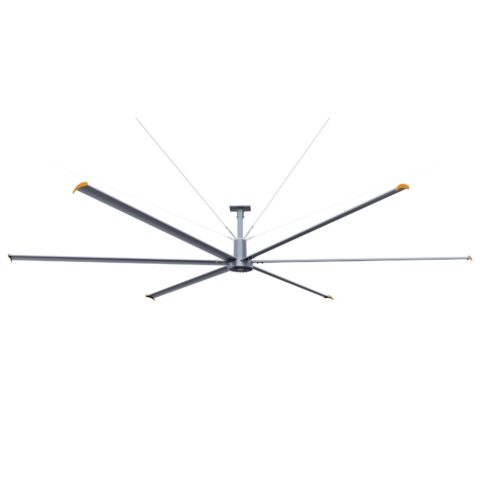
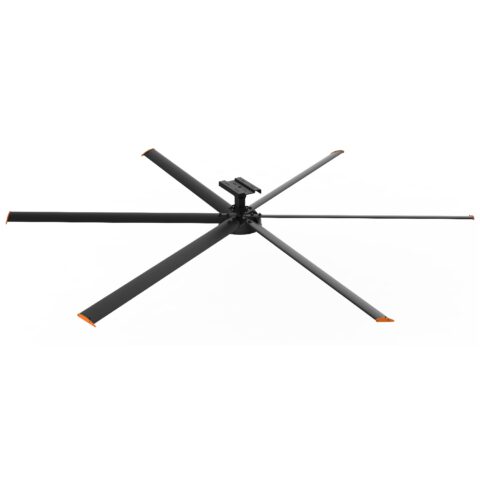


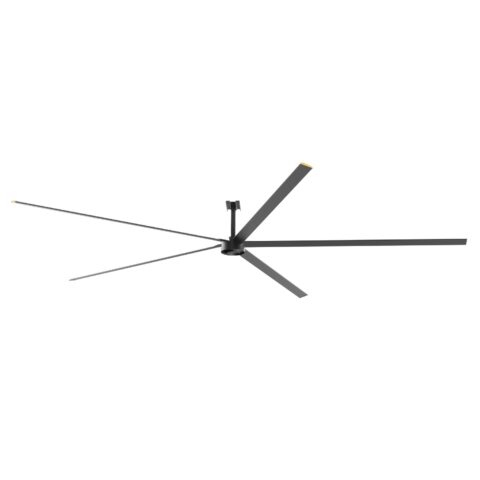
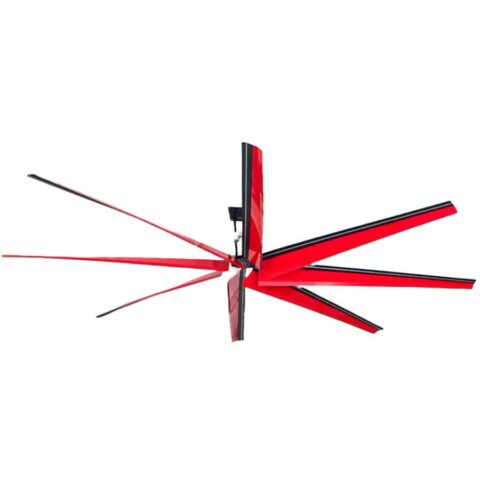


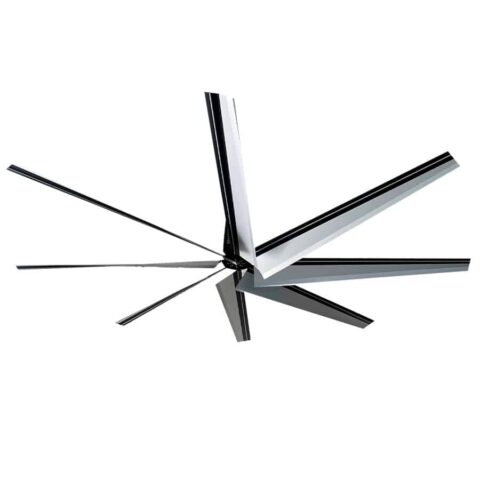
Horse barn fans provide broad or targeted air movement in stalls, center aisles, grooming areas, wash stalls, tack rooms, feed rooms, storage spaces, and other equine facility areas. Available options include HVLS ceiling fans for large open barns, commercial ceiling fans for smaller spaces, wall-mounted fans for directed airflow, and drum fans for temporary or changing work zones.
Start by identifying whether the barn needs broad circulation, directed airflow along stalls or aisles, heating-season air mixing, or temporary airflow in a specific work area. The correct fan then depends on the barn dimensions, clear ceiling height, stall and aisle layout, horse locations, existing ventilation, environmental exposure, electrical service, controls, mounting structure, and required clearances. Stall partitions, gates, doors, hay storage, lights, sprinklers, trusses, grooming equipment, vehicles, and cleaning routes can all affect fan type and placement.
Selection Note: Horse barn fans move and mix air. They do not independently remove heat, humidity, ammonia, dust, odors, pathogens, or other airborne contaminants. Fans should be coordinated with the barn’s natural or mechanical ventilation, manure and bedding management, drainage, cleaning practices, and any exhaust systems.
How to Select Fans for a Horse Barn
| Selection Factor | What to Confirm |
|---|---|
| Barn dimensions | Provide the building length, width, clear ceiling height, roof shape, open sides, ridge vents, doors, windows, curtains, and usable mounting locations. |
| Stall and aisle layout | Map stall rows, center aisles, cross aisles, gates, partitions, wash stalls, grooming areas, feed rooms, tack rooms, and equipment paths. |
| Airflow objective | Determine whether the goal is broad barn circulation, directed airflow along stalls or aisles, heating-season air mixing, or temporary airflow in a specific work area. |
| Fan type and size | Use model-specific airflow, fan diameter, speed range, mounting-height guidance, and coverage data rather than selecting by square footage alone. |
| Existing ventilation | Review ridge vents, open sidewalls, windows, doors, curtains, exhaust fans, inlets, and prevailing winds so circulation fans support rather than disrupt the existing airflow pattern. |
| Horse access and guarding | Confirm that blades, guards, cords, controls, brackets, and mounting hardware cannot be reached or damaged by horses. |
| Dust and debris | Consider bedding, hay, feed, dander, aisle dust, grooming activity, and whether fan direction or speed could increase airborne particles in occupied areas. |
| Environmental exposure | Identify humidity, condensation, washdown, ammonia exposure, cleaning chemicals, ambient temperatures, dust, and corrosive conditions. |
| Sound and movement | Review model-specific sound data, start-up characteristics, vibration, shadows, blade movement, and speed changes where horses may react to unfamiliar conditions. |
| Mounting and clearances | Account for trusses, lights, sprinklers, doors, gates, hay lofts, stall fronts, equipment, vehicles, horses, and service access. |
| Electrical service and controls | Confirm voltage, phase, circuit capacity, disconnects, wiring routes, speed control, zoning, scheduling, and controller location. |
| Cleaning and maintenance | Plan how blades, motors, guards, controls, fasteners, restraints, and mounting components will be inspected and cleaned. |
| Product documentation | Verify the selected fan’s certification, environmental rating, approved mounting range, control requirements, cleaning instructions, maintenance schedule, and warranty. |
Choosing the Right Horse Barn Fan Type
| Fan Type | Typical Horse Barn Application |
|---|---|
| HVLS Ceiling Fans | Broad, low-speed air movement in large open barns, center aisles, equipment areas, and other spaces with sufficient ceiling height, suitable structure, and adequate blade clearances. |
| Commercial Ceiling Fans | Smaller barns, grooming areas, support spaces, and selected tack or feed rooms where the fan is approved for the actual dust, moisture, and environmental conditions. |
| Wall-Mounted Fans | Directed airflow along center aisles, stall fronts, grooming spaces, wash areas, staging locations, or other fixed zones where ceiling coverage is limited. |
| Drum Fans | Temporary or movable airflow for maintenance, grooming, drying, seasonal use, or localized work areas that change as barn operations change. |
Many horse barns use more than one fan type. A ceiling fan may provide broad circulation through an open area while wall-mounted or drum fans serve stalls, grooming spaces, wash areas, or locations shielded by partitions and barn geometry.
Stalls, Aisles, and Grooming Areas
Horse Stalls
Stall walls, doors, grills, and partitions can restrict airflow. Fan placement should consider the horse’s reach, stall configuration, bedding, feeders, waterers, and any electrical cords or controls.
Fans should not be mounted where horses can contact the guard, blades, cord, switch, bracket, or wiring. Directed airflow should also be evaluated so bedding, hay, feed, and dust are not continuously blown toward the horse.
Center and Cross Aisles
Ceiling or wall-mounted fans may be used to move air along center aisles and cross aisles. Placement should account for door swings, gates, tractors, carts, hay deliveries, grooming equipment, and other routine traffic.
Aisle airflow may not reach deeply into enclosed stalls, so stall-level conditions should be reviewed separately rather than assuming one central fan serves the entire barn.
Grooming and Wash Areas
Grooming and wash spaces may need directed airflow for rider comfort, drying, or localized circulation. The selected fan should be suitable for the moisture, dust, cleaning practices, and electrical conditions present in the area.
Wall-mounted or drum fans should be positioned where horses cannot contact the equipment and where cords, guards, switches, and stands do not create handling or trip hazards.
Tack, Feed, and Storage Rooms
Smaller support rooms may have limited airflow, but fan selection should account for dust, stored materials, room size, ventilation, and available clearances. Feed and hay dust can become airborne when exposed to excessive airflow.
Use only products approved for the room’s actual environmental conditions, and do not assume a general commercial fan is suitable for every tack, feed, or storage area. Where combustible dust may be present, have the room conditions and applicable electrical requirements evaluated before selecting or installing a fan.
Horse Access, Sound, and Visible Movement
Horses may react to unfamiliar sound, vibration, shadows, start-up, speed changes, or overhead blade movement. Noise and operating characteristics vary by fan model, speed, motor, mounting system, and barn acoustics.
Review published sound information and consider how horses use the space before selecting a location. Gradual introduction and controlled operation may be appropriate when animals are unfamiliar with large overhead or wall-mounted equipment.
Fan placement should avoid strong localized airflow that disturbs bedding, lightweight materials, curtains, blankets, or equipment. Controls should be located where staff can adjust or stop the fan without entering an unsafe area.
Dust, Bedding, Hay, and Feed Considerations
Horse barns can contain airborne particles from bedding, hay, feed, dander, grooming, sweeping, and vehicle movement. Depending on fan speed and direction, air movement may redistribute these particles rather than remove them.
Fans do not remove dust unless it is carried out through an appropriately designed exhaust or filtration system. Placement and speed should be evaluated so airflow does not direct excessive dust toward stalls, aisles, grooming areas, workers, or adjoining rooms.
Dust management may also require housekeeping, suitable bedding and feed-handling practices, ventilation, filtration, moisture control, and other facility-specific measures.
Moisture, Ammonia, and Corrosion
Horse barns may expose fans to humidity, condensation, washdown, ammonia from urine and manure, cleaning chemicals, temperature changes, and corrosive conditions. These exposures can affect motors, controllers, blades, guards, fasteners, coatings, bearings, and mounting hardware.
An IP or wet-location rating does not automatically establish resistance to ammonia, chemicals, corrosion, or every cleaning method. Review the selected fan’s materials, coatings, ingress rating, controller rating, approved environment, ambient-temperature limits, cleaning instructions, and maintenance requirements. For locations requiring wet-rated equipment, review available commercial wet-rated ceiling fans and verify the selected model is appropriate for the actual barn conditions.
Fans may help reduce areas with limited air movement, but they do not independently remove ammonia or moisture. Removal depends on actual air exchange, manure and bedding management, drainage, building openings, and appropriately designed ventilation or exhaust systems.
Coordinating Fans With Barn Ventilation
Horse barns may rely on ridge vents, open sidewalls, windows, doors, curtains, mechanical exhaust, or a combination of natural and powered ventilation. Circulation fans should work with these features rather than short-circuit airflow or direct contaminated air back into occupied zones.
Review fan placement in relation to ridge vents, roof openings, open sidewalls, windows, adjustable curtains, exhaust fans, mechanical inlets, large doors, prevailing winds, stall fronts, solid partitions, and hay, bedding, feed, manure, or wash areas.
General circulation fans do not replace the outdoor-air exchange or exhaust capacity needed for animal occupancy, moisture, ammonia, dust, odors, or enclosed building conditions.
Mounting, Electrical, and Maintenance Requirements
Horse barn fans should be installed using manufacturer-approved mounting systems attached to suitable building structure. Installation should account for operating loads, required restraints, horse access, environmental exposure, electrical requirements, and access for inspection and cleaning.
Before installation, confirm the supporting structure, attachment method, blade clearances, voltage, phase, wiring, disconnects, controller location, guarding, environmental ratings, and coordination with lights, sprinklers, doors, gates, hay lofts, vehicles, and other barn systems.
A qualified structural professional should confirm support for large ceiling- or wall-mounted fans. Electrical work should be completed by qualified personnel using components suitable for the barn environment and installed according to the selected fan’s instructions.
Common Horse Barn Fan Selection Mistakes
- Selecting by square footage alone: Stall layout, partitions, ceiling height, doors, ventilation openings, fan performance, and obstructions all affect airflow.
- Treating circulation as ventilation: Fans move air within the barn but do not independently remove ammonia, humidity, dust, odors, or heat.
- Ignoring horse reach: Guards, blades, cords, switches, brackets, and wiring must be positioned where horses cannot reach or damage them.
- Assuming one fan serves every stall: Solid stall walls and partitions may prevent broad aisle or ceiling airflow from reaching each occupied area.
- Overlooking dust movement: Excessive speed or poor placement may direct bedding, hay, feed, or aisle dust toward horses and workers.
- Using the wrong environmental rating: Humidity, washdown, ammonia, chemicals, and dust may require model-specific materials and enclosure ratings.
- Ignoring sound and movement: Start-up, vibration, shadows, and blade movement may matter in spaces occupied by horses.
- Skipping maintenance access: Fans installed above stalls, aisles, equipment, or fixed structures still need safe access for cleaning and inspection.
Horse Barn Fan Layout Plans
LED Lighting Supply can prepare a preliminary horse barn fan layout plan using the building dimensions, clear ceiling height, roof structure, stalls, aisles, grooming and wash areas, doors, windows, curtains, ventilation openings, exhaust locations, lights, sprinklers, obstructions, voltage, and airflow goals.
You can also use our ceiling fan count calculator for an initial quantity estimate. The calculator does not account for every stall partition, obstruction, environmental condition, localized airflow need, or wall-mounted fan requirement.
Layouts and calculator results are preliminary. Final fan type, diameter, quantity, spacing, mounting height, structural support, electrical requirements, horse access, environmental suitability, and compatibility with the barn’s ventilation strategy should be confirmed using the selected fan and final field conditions.
Certifications, Environmental Ratings, and Warranty
- Certifications, environmental ratings, voltage options, controls, sound information, maintenance requirements, and warranties vary by fan model. Depending on the model, electrical safety documentation may include a UL, ETL, MET, CSA, or other recognized listing.
- Ingress protection, wet-location suitability, corrosion resistance, and approved installation environment should be reviewed separately. An electrical safety listing does not by itself establish suitability for ammonia, washdown, dust, chemicals, or corrosive barn conditions.
- Before ordering, review the selected model’s airflow and coverage data, mounting range, voltage, controls, sound information, guarding, environmental rating, approved installation conditions, cleaning instructions, maintenance requirements, and warranty terms.
Need Help Selecting Horse Barn Fans?
Contact us about horse barn fans and include the barn dimensions, ceiling height, photographs, roof structure, stall and aisle layout, grooming and wash areas, ventilation openings, exhaust locations, moisture and dust exposure, voltage, controls, and airflow objectives when available.
LED Lighting Supply can assist with product selection and preliminary layout coordination. Final structural support, electrical installation, environmental suitability, ventilation capacity, airflow at occupied stall and aisle levels, equine health and management requirements, and code compliance should be confirmed by the appropriate qualified project, facility, and equine professionals.
Horse Barn Fans FAQs
How Do I Choose The Right Fan Type For A Horse Barn?
Choose the fan type based on the airflow objective, barn layout, available mounting locations, clearances, and environmental conditions. HVLS ceiling fans provide broad, low-speed air movement in large open barns, commercial ceiling fans serve smaller spaces, wall-mounted fans provide directed airflow in fixed zones, and drum fans provide temporary or movable airflow.
Can One Fan Serve Every Stall In A Horse Barn?
No, one central fan may not serve every stall because solid stall walls and partitions can prevent aisle or ceiling airflow from reaching occupied areas. Stall-level conditions should be reviewed separately, particularly where partitions, doors, and barn geometry shield airflow.
What Information Is Needed To Plan Horse Barn Fan Placement?
Fan placement planning requires building dimensions, clear ceiling height, roof structure, stall and aisle layout, doors, windows, curtains, ventilation openings, exhaust locations, lights, sprinklers, obstructions, voltage, and airflow goals. Placement should also account for horse access, routine traffic, equipment, cleaning routes, and service access.
Do Horse Barn Fans Replace Ventilation Or Exhaust Systems?
No, horse barn fans move and mix air but do not independently remove heat, humidity, ammonia, dust, odors, pathogens, or other airborne contaminants. Circulation fans should be coordinated with natural or mechanical ventilation, exhaust systems, manure and bedding management, drainage, and cleaning practices.
How Should Dust, Bedding, Hay, And Feed Affect Fan Selection?
Fan direction and speed should be evaluated so airflow does not direct excessive bedding, hay, feed, or aisle dust toward horses, workers, stalls, aisles, grooming areas, or adjoining rooms. Depending on fan speed and direction, air movement may redistribute particles rather than remove them.
What Should Be Verified For Moisture, Ammonia, And Washdown Exposure?
Verify the selected fan's materials, coatings, ingress rating, controller rating, approved environment, ambient-temperature limits, cleaning instructions, and maintenance requirements for actual barn conditions. An IP or wet-location rating does not automatically establish resistance to ammonia, chemicals, corrosion, or every cleaning method.
How Can I Estimate The Number Of Horse Barn Fans Needed?
A ceiling fan count calculator can provide an initial quantity estimate, and LED Lighting Supply can prepare a preliminary horse barn fan layout plan using building and layout details. Calculator results and layouts are preliminary because they do not account for every stall partition, obstruction, environmental condition, localized airflow need, or wall-mounted fan requirement.
What Should Be Confirmed Before Installing A Horse Barn Fan?
Before installation, confirm the supporting structure, attachment method, blade clearances, voltage, phase, wiring, disconnects, controller location, guarding, environmental ratings, and coordination with other barn systems. Large ceiling- or wall-mounted fans should have structural support confirmed by a qualified structural professional, and electrical work should be completed by qualified personnel.