ESG: Enhancing Your Company’s Strategy with LED
What is ESG?
ESG stands for “Environmental, Social, and Governance” – a framework used to evaluate how a company manages sustainability-related risks, opportunities, and business practices alongside traditional financial considerations. Investors, customers, lenders, employees, and other stakeholders may consider ESG information when evaluating an organization.
Companies may use ESG strategies to identify and manage environmental, social, and governance issues relevant to their operations. ESG assessments can examine environmental impact, social responsibility, and governance practices alongside conventional financial measures.
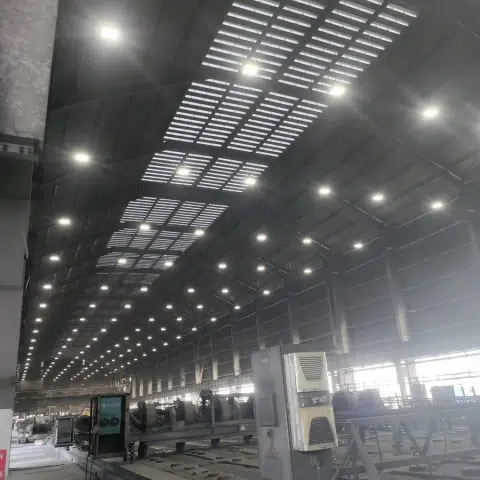
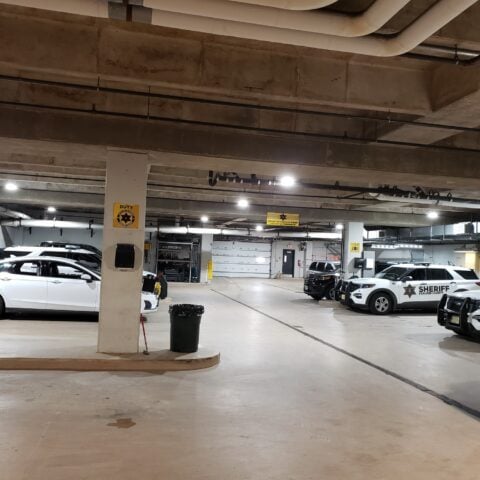
A practical ESG example is a tech company converting its data center to renewable energy while upgrading interior lighting to LED panels and converting parking areas to LED shoebox lights. These improvements may reduce lighting energy use and operating costs while supporting the company’s environmental objectives.
ESG ratings and scores are developed by individual rating providers using their own methodologies. They may evaluate a company’s exposure to ESG-related risks and opportunities, as well as its policies, disclosures, and management approach. Scores from different providers are not necessarily directly comparable.

What is an ESG Strategy?
An ESG strategy defines how a company identifies, manages, measures, and communicates material environmental, social, and governance matters. Investors and other stakeholders may evaluate ESG strategies as part of their assessment of business risk and long-term performance.
Developing an ESG strategy can support brand positioning by demonstrating socially conscious business practices. As consumers increasingly consider companies’ environmental impacts, a well-documented strategy can help demonstrate commitment to responsible operations.
Common energy optimization measures that may support environmental ESG goals include:
- Building retrofits: LED retrofits that may reduce lighting energy consumption
- System upgrades: On-site improvements that can lower operational costs and energy use
- Smart controls: Intelligent lighting systems that can reduce unnecessary lighting operation when properly designed and configured
Investment and real estate groups may standardize LED lighting retrofits across their properties and future developments as part of broader energy-management initiatives.

How LED Lighting Supports ESG Environmental Goals
LED lighting can support the environmental component of an ESG strategy by helping organizations address:
- Lighting energy consumption
- Replacement frequency and associated material waste
- Energy-related greenhouse-gas emissions, where reduced electricity use lowers applicable emissions
Energy-efficiency improvements can be a practical way for organizations to reduce operating costs and electricity consumption. Commercial LED lighting upgrades may offer a significant energy-reduction opportunity where they replace less-efficient existing lighting and are paired with appropriate controls.
Key potential environmental benefits of LED technology include:
- Energy efficiency: LED systems can use substantially less energy than older lighting technologies, although actual savings depend on the existing system, operating hours, fixture performance, controls, and lighting design.
- Reduced replacement frequency: Longer-rated life can reduce maintenance needs and replacement waste when fixtures are properly selected for the application.
- Lower energy-related emissions: Reduced kWh consumption may reduce greenhouse-gas emissions associated with purchased electricity; results depend on the local electricity mix and reporting methodology.
- End-of-life considerations: LEDs generally do not use mercury in the way fluorescent lamps do, but luminaires and drivers may contain electronic components and other materials that should be handled and recycled according to applicable local requirements.
For industrial facilities and large commercial properties, LED industrial lighting upgrades can contribute meaningful energy and maintenance data for sustainability tracking. Municipal and public lighting upgrades can also reduce energy use where existing lighting is inefficient, though results should be evaluated using the specific system’s operating hours, wattage, controls, and utility rates.

Smart LED Systems for Enhanced ESG Performance
Smart lighting platforms that integrate compatible sensors, timers, and controls can help organizations monitor and manage lighting use. When properly designed, commissioned, and maintained, these systems can provide data that supports energy-management and ESG reporting efforts.
Smart control features that may support ESG objectives include:
- Automatic dimming in response to available daylight
- Occupancy- or vacancy-based lighting control
- Scheduling optimization for outdoor LED lighting applications
- Energy-use monitoring and reporting, where supported by the selected system
Implementation Considerations
When planning LED retrofits to support ESG goals, reporting commitments, or stakeholder requirements, consider:
- Professional installation: Electrical work should be performed by qualified electricians in accordance with applicable codes and local requirements.
- Lighting design: Select fixture quantity, output, optics, mounting locations, and controls using application-specific requirements and fixture photometric data rather than universal wattage or spacing rules.
- Utility incentives: Many utilities offer rebates or other incentives for qualifying energy-efficient lighting upgrades; confirm current program requirements before purchasing equipment.
- Financial evaluation: Energy savings and payback depend on the existing lighting system, operating hours, electricity rates, maintenance costs, controls, installation costs, and available incentives.
- Documentation: Maintain baseline energy information, product specifications, installation records, and post-installation energy data as appropriate for internal sustainability tracking or ESG reporting.
Conclusion
LED lighting systems can support a company’s environmental ESG objectives by reducing lighting energy use, maintenance needs, and energy-related emissions where applicable. They may also reduce long-term operating costs, depending on the facility, existing equipment, operating schedule, and utility rates.
As customers, investors, and lenders increasingly consider environmental performance, credible energy data and clearly documented improvement projects may support sustainability disclosures and financing discussions. Actual savings, emissions impacts, reporting treatment, and financial outcomes depend on project-specific conditions and applicable reporting or financing requirements.
Disclaimer: This content is for informational purposes only and does not constitute investment, legal, engineering, or electrical advice. Consult qualified financial, sustainability, and electrical professionals for project-specific guidance.