LED Vapor Proof Lights vs NSF Certified Lights: Differences, Similarities, and How to Choose the Right One
Choosing the correct lighting for harsh or regulated environments is not just about brightness or energy savings. In many facilities, the wrong fixture can lead to safety violations, failed inspections, operational downtime, or even contamination risks. Two of the most commonly confused fixture types are LED vapor proof lights and NSF certified lights. While these fixtures can overlap, they are not interchangeable.
Some vapor proof fixtures are NSF certified, but many are not. Likewise, not all NSF certified fixtures are vapor proof. Understanding the differences is critical for compliance, safety, and long-term performance. This guide explains what each fixture type is, where they overlap, where they differ, and when you should choose one over the other based on real-world regulations and operating conditions.
Important Safety Notice: This content is for general educational purposes only. Fixture selection in food processing facilities, hazardous locations, and other regulated environments must comply with federal, state, and local codes. Always consult with licensed electricians, health departments, and relevant regulatory authorities before making final specifications. Improper fixture selection can result in serious safety hazards, regulatory violations, and facility shutdowns.
What Are LED Vapor Proof Lights?
LED vapor proof lights (also called vapor tight) light fixtures are designed with sealed housings that protect internal components from moisture, dust, dirt, and non-explosive chemical vapors. These fixtures are typically rated IP65 or higher and are designed for use in wet, humid, or washdown environments. The sealed construction uses precision gasket systems and reinforced housings to prevent water intrusion and corrosion that would quickly destroy standard lighting.
When properly specified, vapor proof fixtures deliver reliable performance in demanding industrial and commercial settings. Vapor proof lighting is commonly used in:
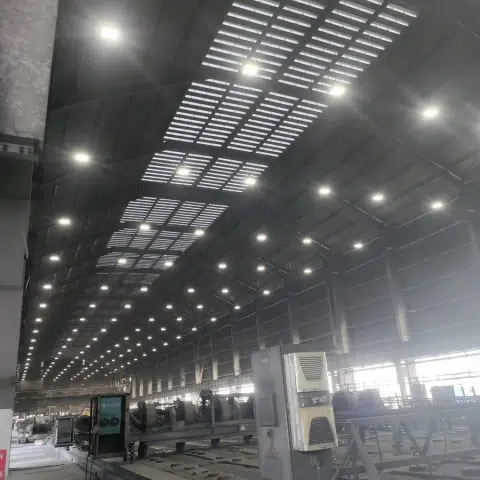
- Manufacturing plants
- Cold storage and freezers
- Car washes
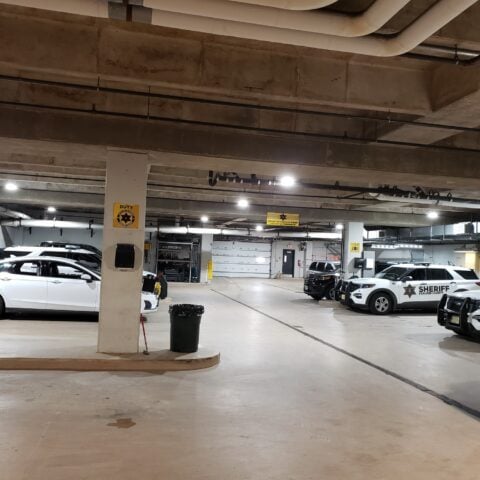
- Parking garages
- Breweries and beverage facilities
- Marinas and coastal environments
Critical Safety Note: Standard vapor proof fixtures are not rated for hazardous (classified) locations. Areas with flammable gases or vapors require UL844 explosion-proof fixtures under OSHA and NEC requirements. OSHA hazardous location requirements are defined under 29 CFR 1910.307.
What Are NSF Certified LED Lights?
LED NSF certified food grade lights are specifically evaluated for use in food and beverage environments where sanitation, cleanability, and contamination prevention are critical. NSF certification is issued by NSF International, an independent organization focused on public health and food safety. Unlike electrical safety listings such as UL or ETL, NSF certification evaluates:
- Fixture materials and coatings
- Surface smoothness and cleanability
- Resistance to bacterial buildup
- Suitability for splash zones and non-food contact areas
NSF lighting certification helps support compliance with health department inspections, HACCP plans, and sanitation programs when fixtures are properly installed and maintained according to specifications. OSHA sanitation requirements for food-related facilities are outlined in 29 CFR 1910.141, which emphasizes proper lighting and cleanliness in food handling areas.
Key Similarities Between Vapor Proof and NSF Certified Lights
These fixture types often look similar and sometimes overlap, which is why they are frequently confused. Their shared characteristics include:
- Sealed construction: Both typically feature gasketed housings to prevent moisture intrusion
- LED technology: High efficiency, long lifespans, and instant-on performance
- Low maintenance: Solid-state components reduce service interruptions
- Wet location suitability: Many NSF fixtures are also rated for wet or washdown areas
- Energy efficiency: Many models may qualify for DLC Premium listing, which can support utility rebate programs
This overlap leads many facilities to assume that any sealed fixture is automatically food-safe or inspection-ready, which is not the case.
Critical Differences You Need to Understand
| Category | Vapor Proof Lights | NSF Certified Lights |
|---|---|---|
| Primary Purpose | Protect against moisture, dust, and vapors | Prevent contamination in food environments |
| Certification Focus | IP ratings, UL/ETL electrical safety | Sanitation, cleanability, and material safety |
| Food Facility Compliance | Not sufficient on its own | Designed specifically for food facilities |
| Washdown Rating | Typically IP65 | Often IP69K for high-pressure washdown |
| Lens Materials | Polycarbonate common | Tempered glass or food-safe polymers |
When Vapor Proof Lighting Is the Right Choice
Vapor proof fixtures are ideal when the primary threat is environmental damage to the lighting system rather than contamination risk. These include:
- Industrial manufacturing areas
- Cold storage warehouses
- Parking garages and tunnels
- Car washes
- Marine and coastal applications
- Barns, stables, and agricultural buildings
In these environments, moisture, dust, exhaust fumes, and vibration are the main concerns. NSF certification may not be required unless food handling is involved.
When NSF Certified Lighting Is Required
NSF certified fixtures are typically necessary in environments where sanitation and inspection compliance are critical, including:
- Food processing plants
- Meat, poultry, and seafood facilities
- Dairies and beverage production
- Commercial kitchens
- Food storage and cold lockers
- Food laboratories and QA areas
Important: Health departments routinely flag non-NSF fixtures installed in splash zones or food prep areas, even if the fixtures are IP-rated or labeled as “food safe” by manufacturers. Always verify local health department requirements before specification.
Do You Ever Need Both?
Yes. Many food and beverage facilities require fixtures that are both NSF certified and vapor tight. These dual-rated fixtures combine:
- NSF sanitation compliance
- IP65 to IP69K sealing
- Corrosion-resistant materials
- High-temperature and cold-temperature ratings
Common examples include breweries, meat processing plants, and cold storage areas with aggressive washdown procedures.
Safety, Performance, and Energy Certifications
Regardless of fixture type, commercial installations should always verify safety and efficiency certifications:
- UL or ETL Listed: Electrical safety compliance
- DLC Premium: High efficiency and utility rebate eligibility
- NSF Certified: Required for regulated food environments
The Design Lights Consortium maintains qualification standards that verify energy performance and rebate eligibility. NSF certification documentation should always be available for inspection review.
Warranty and Long-Term Support
Many LED Lighting Supply vapor proof and NSF certified fixtures include comprehensive warranty coverage, with warranty support provided in the USA. Proper fixture selection and installation are essential to maintain warranty coverage and long-term reliability.
Need Professional Guidance? Our lighting specialists provide complimentary lighting plans, certification guidance, and energy savings analysis for commercial and industrial applications.
Contact LED Lighting Supply or call 888-423-3191 to speak with a lighting specialist.